How Intelligent Is a Horse and Why It Knows What You Feel Before You Speak
How Intelligent Is a Horse
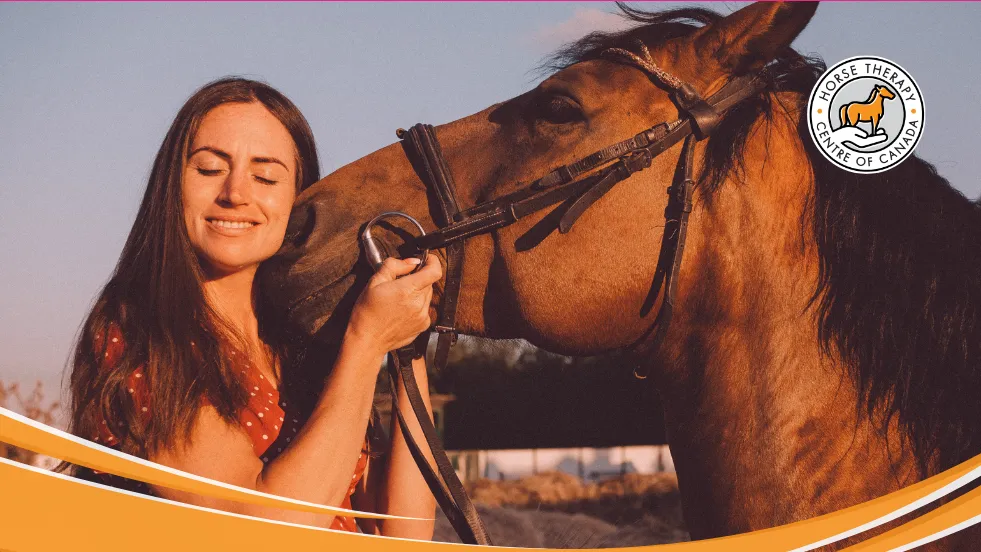
Horses are naturally very aware of what’s happening around them. They notice body posture, small movements, and even slight changes in a person’s voice. This sensitivity helps them respond quickly to their surroundings and to the people near them. In the wild, horses rely on this awareness to stay safe. As herd animals, they constantly watch their environment and the behavior of other animals. Because of this natural attentiveness, many people start to wonder how intelligent is a horse, and why that intelligence is so valuable in therapy programs.
Because of this strong awareness, horses often react quickly to human behaviour. A small change in tension, posture, or movement can influence how a horse responds. These reactions may seem simple, but they create a clear form of communication between the horse and the person interacting with it. In structured therapy environments, each eq horse becomes an important partner in helping participants notice these interactions.
Understanding how intelligent is a horse helps explain why horses can play an important role in therapy programs. Their ability to notice subtle cues allows participants to see how their actions affect the horse, turning everyday interactions into meaningful learning experiences. This blog explains how horse intelligence supports therapy programs, how horses communicate through body language and behaviour, and why these interactions can help participants build awareness, patience, and communication skills during guided activities.
Understanding Horse Intelligence and Why It Matters
When people ask how smart is a horse, they often think about tricks or how well a horse can follow commands. In reality, horse intelligence is more about awareness and learning from experience. Horses notice patterns, remember routines, and pay close attention to changes around them.
Horses also live naturally in herds, where survival depends on observing other animals and responding quickly to movement or body language. Because of this, they have developed strong observation skills. Studies also show that horses can recognize individual humans. In one study, horses matched a person’s voice with their face, showing they can remember people they have interacted with before (Proops et al., 2009).
Examples of Horse Intelligence
Horses show their intelligence through everyday behaviours, such as:
Remembering people they have interacted with
Learning routines through repetition
Responding to body language and posture
Recognizing familiar places and environments
Adjusting their behaviour based on past experiences
These abilities help horses respond clearly during interactions. In therapy settings, the natural responses of an eq horse allow participants to notice how their communication and behaviour influence the horse. At Horse Therapy Centre of Canada, these moments are used as learning opportunities, helping participants observe how their actions affect the horse and better understand patterns of communication through direct experience.
The Emotional Sensitivity of Horses
Another reason people ask how intelligent is a horse is because horses react strongly to emotional signals. Horses are very aware of what people around them are feeling. They can notice body tension, calm movements, and sudden changes in energy. Even small shifts in posture or movement can affect how a horse responds.
An emotional horse does not feel emotions the same way humans do, but horses are very sensitive to the mood around them. These signals help the horse decide whether a situation feels calm, safe, or uncertain. Studies also show that horses can respond to human facial expressions. For example, horses tend to be more cautious when they see an angry face compared to a relaxed or friendly one (Smith et al., 2016).
Because horses notice these signals so easily, their reactions often reflect what they observe. When a person approaches calmly and moves steadily, the horse is more likely to stay relaxed. In equine-assisted therapy sessions at Horse Therapy Centre of Canada, participants are guided to observe these reactions and understand how their behaviour influences the horse.
Why Horse Intelligence Supports Equine-Assisted Therapy
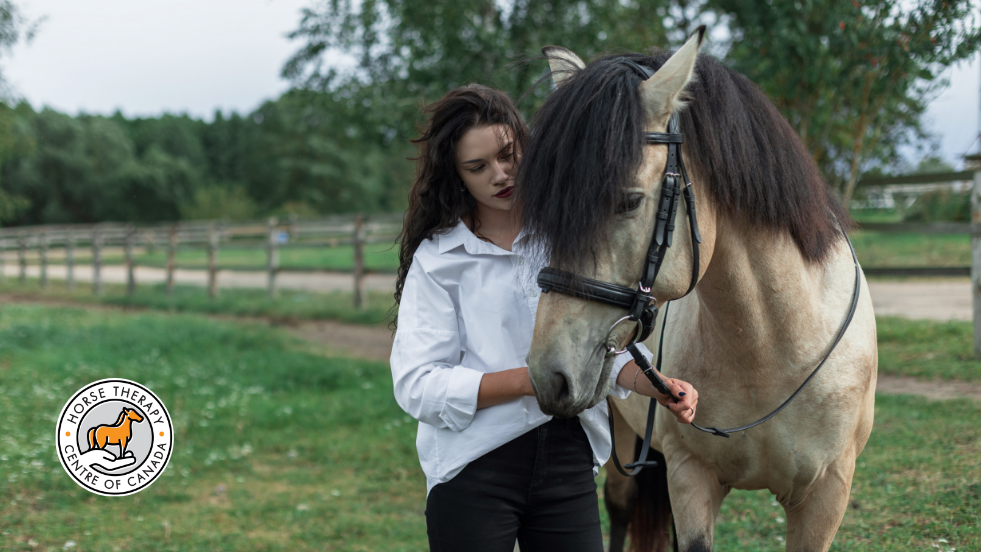
Understanding how intelligent a horse is helps explain why horses work so well in therapy programs. Horses do not rely on spoken language like humans. Instead, they respond mainly to body language, tone of voice, and movement. Because they are highly aware of these signals, they often react quickly to small changes in a person’s behaviour. This helps participants notice how their actions influence the horse.
Research also shows that calm interaction with horses can affect biological responses linked to connection and stress. Jung et al. (2025) found that when humans interacted quietly with horses, oxytocin levels increased in horses while cortisol levels remained stable for both horses and people, suggesting that these interactions can support bonding without creating stress.
The Role of Horse Intelligence in Equine-Assisted Therapy
Horses’ ability to pick up on subtle cues and respond accordingly is an essential part of equine-assisted therapy. This makes them an ideal partner for therapy programs where participants can practice important skills such as emotional regulation, social interaction, and self-awareness.
Key Reasons Why Horse Intelligence Supports EAT:
Sensitivity to Human Emotion: Horses can sense changes in body language and energy, making them able to react to both positive and negative emotions. This enables them to mirror the emotional state of the participant, providing valuable feedback that can help the participant gain insight into their own emotional responses.
Non-Verbal Communication: Since horses don’t understand human language, they rely entirely on non-verbal cues. This makes them perfect for helping participants build awareness of their own body language, posture, and movement. Horses respond to how a person behaves, not just what they say, which supports learning about non-verbal communication.
Calming Influence: Because horses respond to calm and consistent movements, they help participants practice maintaining a relaxed state in stressful or challenging situations. This is a key part of emotional regulation and can help children and adults develop the ability to manage anxiety or frustration.
Building Trust and Responsibility: Horses, as prey animals, are highly alert to their environment. Their natural instinct is to trust those who approach calmly and with intention. Through activities such as grooming and groundwork, participants learn responsibility and how to build trust through clear, consistent actions.
During equine-assisted therapy sessions at Horse Therapy Centre of Canada, participants engage in horse interactions that encourage this type of learning. From grooming and leading the horses to observing their behavior, participants learn how their actions and emotions affect the animals, which builds valuable skills such as patience, focus, and responsibility. By observing how horses react to different situations, participants can gain insight into their own behavior and emotional responses, allowing them to make meaningful progress in the therapy process.
How Progress Often Appears During Equine-Assisted Therapy
Progress in equine-assisted therapy usually happens little by little. Rather than sudden breakthroughs, most changes appear through small improvements that build over time. This gradual progress is common because learning with horses involves repetition, patience, and consistent interaction.
Horse intelligence is part of what makes this process possible. Horses are very aware of body language, movement, and emotional tension. Because they notice these small signals, they often respond differently when a participant adjusts their behaviour. Over time, people begin to see how their actions influence the horse, which helps them recognize their own progress.
Examples of progress may include:
Increased patience during activities with the horse
Greater awareness of body language and movement
Improved confidence when approaching or leading the horse
Better emotional regulation during challenging moments
Clearer and more consistent communication
These changes usually become noticeable through repeated interaction and guided reflection. At the Horse Therapy Centre of Canada, sessions are structured to help participants recognize these small steps of progress and understand how their interactions with the horse are evolving over time.

How Horse Intelligence Supports Safety and Ethical Standards
Working with horses in therapy requires clear safety planning and structured guidelines. Because horses are large and powerful animals, programs must create an environment that protects both participants and the horses. Professional supervision helps ensure that interactions remain calm, organized, and safe.
Horse intelligence also plays an important role. Horses naturally pay close attention to body language, movement, and changes in behaviour. Because they notice these subtle cues, professionals can guide interactions in ways that help keep sessions steady and predictable.
Typical safety practices in equine-assisted therapy programs include:
Trained professionals supervising all activities
Therapy horses selected for calm and reliable temperament
Clear instructions on how to approach, handle, and move around horses
Gradual introduction to horse-related activities for new participants
Emergency safety procedures in place when needed
Ethical programs also pay close attention to the well-being of the horses involved. This includes proper care, regular rest, appropriate training, and environments that support the horse’s health and comfort. Because horses are intelligent and responsive animals, their welfare directly affects how they interact with participants.
Protecting both the participant and the horse is a key part of responsible equine-assisted therapy. These principles help ensure that interactions remain calm, respectful, and well-structured. Programs at Horse Therapy Centre of Canada follow these standards so sessions are conducted in a way that supports safety, ethical care, and meaningful interaction between people and horses.
Frequently Asked Questions
How intelligent is a horse compared to other animals?
When people ask how intelligent a horse is, they are usually thinking about how well horses learn and understand their surroundings. Horses show strong memory and awareness. They can recognize people they have met before, remember routines, and respond quickly to body language and movement. At the Horse Therapy Centre of Canada, the therapy horses are known for their strong awareness and ability to learn from repeated interactions, which helps participants experience clear and meaningful responses during sessions.
How smart is a horse during interaction with humans?
Many people are surprised by how smart a horse can be when interacting with people. Horses can recognize individuals using several cues, including voice, posture, and appearance. Because of this, they often remember previous experiences with a person and may respond differently depending on how that person approaches them. The horses at the Horse Therapy Centre of Canada demonstrate this kind of intelligence regularly, responding thoughtfully to participants and helping create interactive learning moments during guided activities.
Can an emotional horse respond to human feelings?
Yes. Horses are naturally observant animals and often react to signals such as posture, tone of voice, and facial expressions. Because they notice subtle changes in behaviour, their responses can reflect what a participant is feeling or communicating through body language. At the Horse Therapy Centre of Canada, the intelligence and sensitivity of the horses often help participants become more aware of how their emotions and actions influence the interaction.
What does eq horse mean in therapy settings?
The term “eq horse” is sometimes used informally when referring to horses involved in experiential or emotional learning environments. These horses are typically chosen for calm temperament, reliability, and the ability to work safely with participants. The horses at the Horse Therapy Centre of Canada are carefully selected and trained, and their intelligence and steady behaviour make them well suited for structured therapeutic activities.
Do participants need horse experience to participate?
No prior horse experience is required. Many equine-assisted therapy activities focus on simple interactions such as grooming, observing horse behaviour, or leading a horse with guidance. Riding is not always part of the program, which makes sessions accessible for beginners. At the Horse Therapy Centre of Canada, participants are gradually introduced to working with the horses, whose calm nature and intelligence help make the experience comfortable and approachable for people who are new to horses.
For More Information
You may also find these Horse Therapy Centre of Canada articles helpful:
The Power of the Herd: How Horses Enhance Equine-Assisted Therapy Modalities
Finding Balance: How Equine-Assisted Therapy Promotes Personal Growth and Well-Being
Harnessing Calm: Equine-Assisted Therapy for Stress Relief in Professional Life
These blog articles provide additional information about working with horses and understanding how programs involving horses are designed.
References
Jung, Y., Kim, S., Lee, J., & Lee, K. (2025). The effects of human–horse interactions on oxytocin and cortisol levels in humans and horses. Animals, 15(7), 905. https://doi.org/10.3390/ani15070905\
Proops, L., McComb, K., & Reby, D. (2009). Cross-modal individual recognition in domestic horses (Equus caballus). Proceedings of the National Academy of Sciences, 106(3), 947–951. https://doi.org/10.1073/pnas.0809127105
Smith, A. V., Proops, L., Grounds, K., Wathan, J., & McComb, K. (2016). Functionally relevant responses to human facial expressions of emotion in horses (Equus caballus). Biology Letters, 12(2), 20150907. https://doi.org/10.1098/rsbl.2015.0907
How Intelligent Is a Horse? Learn More Through Equine-Assisted Therapy
If you’re curious about how intelligent a horse is and how that intelligence supports therapy, learning more about equine-assisted programs can be a helpful next step. Guided interaction with horses allows people to see how horses respond to body language, behaviour, and communication in real time.
At Horse Therapy Centre of Canada, programs are designed to help participants experience these interactions in a calm and structured environment. If you would like to learn more about how working with horses can support awareness, communication, and personal growth, contact Horse Therapy Centre of Canada to explore available programs and resources.