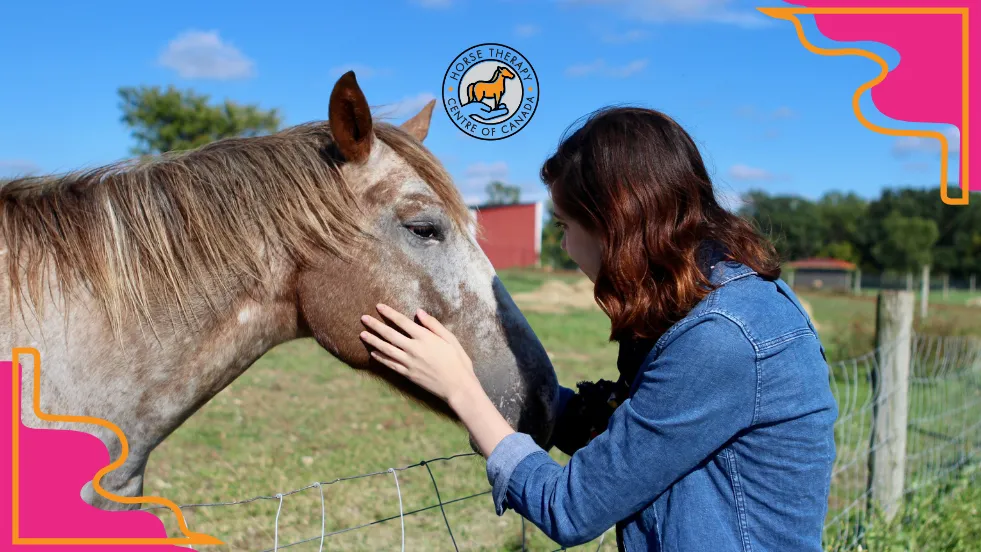
Resilience-Building Techniques in Equine-Assisted Therapy: Strengthening Coping Mechanisms for Life's Challenges
The Power of Horses in Building Resilience
In a world full of challenges, resilience is essential for overcoming adversity. While traditional therapy methods like verbal processing and mindfulness focus on fostering resilience, equine therapy resilience training offers a unique, hands-on approach. By working with horses, individuals engage in real-time, experiential learning that strengthens coping mechanisms and emotional resilience. This non-verbal therapy provides immediate feedback, helping people manage stress, confront fears, and develop healthier emotional responses.
What sets equine therapy resilience training apart is its powerful, intuitive connection between horses and humans. Horses mirror emotional states, giving individuals deeper insights into their feelings and helping to foster emotional regulation. In a supportive environment, this training builds practical skills for managing life’s challenges, enhancing emotional intelligence, and boosting confidence. The relationship with the horse facilitates lasting change and cultivates resilience beyond the therapy setting.
This blog explores how equine therapy resilience training helps individuals build resilience, improve emotional well-being, and gain lasting relief. Let’s delve into the transformative benefits of this innovative approach for those facing life's toughest challenges.

What is Equine-Assisted Therapy and How Does it Promote Resilience?
Equine-assisted therapy is a powerful practice that uses interactions with horses to promote emotional healing and personal growth. Rather than focusing on riding, activities such as groundwork, grooming, and obstacle courses help individuals engage with their emotions in a way traditional therapy often can't. Through equine therapy resilience training, participants experience real-time, hands-on learning that enhances self-awareness, emotional regulation, and problem-solving. This approach helps build resilience by confronting emotional challenges and fostering personal growth in a supportive environment.
The unique power of equine therapy resilience training lies in its experiential nature. Unlike verbal-based therapies, this practice encourages individuals to actively engage with both the horse and their emotions. Horses, with their keen ability to sense human emotions, provide immediate, non-verbal feedback, allowing participants to observe and adjust their emotional responses. This feedback helps individuals gain insight into their emotional triggers, fostering emotional intelligence and improving their ability to manage stress and face challenges.
Equine therapy resilience training offers a transformative way to develop emotional resilience by addressing behavioral patterns and emotional triggers. As individuals work with horses, they build the emotional strength and coping skills necessary to navigate life's challenges with greater confidence and resilience.
Building Trust with Horses: A Foundation for Resilience
One of the most powerful aspects of equine-assisted therapy is the bond that forms between the individual and the horse. Trust is at the core of this relationship, and horses, as prey animals, require individuals to demonstrate consistency, emotional stability, and reliability to build trust. This process directly contributes to equine therapy resilience training, as individuals learn to remain calm and focused, essential qualities for managing stress and overcoming challenges. Through these interactions, participants gain deeper self-awareness and enhance their emotional resilience.
Building trust with a horse teaches valuable skills such as patience, empathy, and effective communication. These skills are transferable to real-world situations, especially during stress or uncertainty. Equine therapy resilience training helps individuals manage emotions and develop coping mechanisms that support emotional regulation. The trust they build with the horse serves as a model for strengthening interpersonal relationships, teaching them to approach others with patience and understanding, crucial for navigating both personal and professional challenges.
Why is Equine Therapy So Effective for Resilience-Building?
Equine-assisted therapy offers unique advantages that enhance its effectiveness for building resilience and coping mechanisms. These advantages include the following:
1. Emotional Regulation through Non-Verbal Communication
Horses communicate through body language, posture, and energy, offering an enlightening experience for individuals who typically rely on verbal cues. Interacting with horses helps individuals tune into their own body language and emotional cues, fostering emotional awareness, a key aspect of resilience.
Activities like leading a horse through an obstacle course or grooming require individuals to be attuned to the horse’s responses. When a horse reacts anxiously or withdraws, it provides immediate feedback on the person’s emotional state. Learning to regulate body language and emotional responses during these interactions enhances emotional control, translating into stronger resilience in everyday life.
2. Physical Engagement with Horses for Stress Relief
Interacting with horses can be both grounding and soothing, offering a break from daily pressures. Activities like grooming or walking with a horse promote calmness by reducing stress and lowering cortisol levels while increasing oxytocin, which enhances bonding and relaxation.
Horses’ responsiveness to physical touch fosters a sense of comfort and connection often absent in other therapies. Through gentle grooming or walking, individuals reconnect with their bodies, regulate emotions, and experience reduced stress. This is especially beneficial for those dealing with anxiety, depression, or trauma, supporting emotional well-being.
3. Teaching Patience, Persistence, and Self-Confidence
Resilience is not just about overcoming adversity, but about having the patience to persist and build confidence in navigating setbacks. In equine-assisted therapy, moments when a horse doesn’t respond as expected teach clients patience and the need for persistence. These challenges highlight that setbacks are opportunities for growth.
By repeatedly working through difficulties, such as overcoming fears or handling a difficult horse, individuals build self-confidence. Each success strengthens their trust in their abilities and fosters a positive, persistent mindset that translates into other areas of life.

How Equine-Assisted Therapy Supports Coping Mechanisms
Equine-assisted therapy is designed to help individuals develop effective coping mechanisms to deal with life's stresses. Here are several ways this therapy specifically supports coping skills:
1. Stress Reduction and Emotional Resilience
The therapeutic relationship between humans and horses is not only emotionally beneficial but also physiologically healing. Spending time with horses has been shown to lower cortisol levels and increase oxytocin, leading to reduced stress and enhanced emotional well-being. For individuals dealing with chronic stress, anxiety, or post-traumatic stress disorder (PTSD), equine-assisted therapy offers a natural and effective method of stress relief.
The calming influence of horses, combined with the physical engagement of activities like grooming and leading, helps individuals process emotions in a safe and supportive environment. These activities create a space for individuals to manage their stress in real-time, while simultaneously developing horse-assisted coping mechanisms. By interacting with the horse, individuals learn how to regulate their emotions, build trust, and respond calmly to challenges, equipping them with practical tools for stress management that they can apply outside of the therapy sessions. These coping mechanisms foster emotional resilience, providing individuals with a solid foundation to face life’s difficulties with greater strength and confidence.
2. Problem-Solving and Decision-Making Skills
Equine-assisted therapy encourages individuals to approach challenges with a problem-solving mindset. Whether it’s navigating an obstacle course or working with a horse that is initially hesitant, individuals must assess the situation, make decisions, and adapt to changing circumstances. These exercises teach individuals to stay calm under pressure, think critically, and make thoughtful decisions, helping them develop problem-solving skills that are essential for resilience.
Overcoming these challenges with the horse not only strengthens one's problem-solving abilities but also helps build confidence in tackling difficulties in life. The sense of accomplishment after successfully completing a task fosters a mindset of perseverance and adaptability, traits that are crucial for emotional resilience. In addition, these experiences contribute to the development of horse-assisted coping mechanisms, as individuals learn to manage their emotions and reactions during stressful or uncertain situations. These coping mechanisms allow participants to handle adversity with greater emotional stability and resilience, both in the therapy setting and in their everyday lives.
3. Encouraging Self-Efficacy
In equine therapy, clients are actively involved in the process of healing. They are not passive participants but are encouraged to take responsibility for their actions, set goals, and make decisions. This active involvement fosters a sense of self-efficacy, an individual’s belief in their ability to influence their outcomes. Self-efficacy is a key component of resilience, as it empowers individuals to face challenges with confidence and a proactive attitude.
By taking responsibility for their actions and seeing the positive results of their decisions, individuals develop the belief that they can overcome obstacles and influence their own lives in meaningful ways. This sense of control is vital for building resilience and coping with life’s difficulties. Furthermore, the horse-assisted coping mechanisms that clients develop during therapy help reinforce this sense of agency. Through interactions with horses, individuals learn to stay calm, focused, and adaptable under pressure, further strengthening their ability to manage stress and navigate adversity. This combination of active participation and coping skills is essential for fostering emotional resilience and promoting long-term personal growth.
Where Can Equine-Assisted Therapy Be Accessed?
Equine-assisted therapy can be accessed at Horse Therapy Centre Canada (HTCC), a specialized center dedicated to helping individuals build emotional resilience through therapeutic interactions with horses. HTCC offers a range of therapy options tailored to meet the needs of various populations, including those recovering from trauma, veterans, and individuals with disabilities.
At HTCC, clients receive a personalized approach to therapy that is designed to address their unique emotional needs and personal goals. Whether participating in one-on-one sessions or group therapy, clients can expect a comprehensive and supportive experience that encourages personal growth and resilience-building. The therapeutic bond formed with horses, coupled with the expertise of our therapists, helps individuals develop the horse-assisted coping mechanisms necessary to navigate life's challenges with confidence and strength. Through these hands-on, experiential sessions, clients learn practical skills such as emotional regulation, trust-building, and problem-solving that extend beyond the therapy environment and into their daily lives. This holistic approach promotes long-term emotional well-being, helping individuals manage stress, overcome obstacles, and build the resilience needed to thrive.
Building Resilience through Equine Therapy
Equine-assisted therapy offers a powerful approach to building emotional resilience through horse-assisted coping mechanisms. By bonding with horses, individuals gain a deeper understanding of their emotional triggers and learn healthier ways to respond to life’s challenges. The hands-on, experiential nature of this therapy allows individuals to recognize and manage their emotions effectively, fostering resilience.
Whether you're facing trauma, anxiety, or looking to improve your emotional well-being, equine-assisted therapy provides transformative benefits that go beyond traditional methods. The skills learned, such as emotional regulation, problem-solving, and trust-building, are key horse-assisted coping mechanisms that help individuals navigate stress and adversity. These coping strategies offer lasting emotional benefits, empowering individuals to approach life's challenges with resilience and confidence.
At Horse Therapy Centre Canada, we are here to guide you on your journey toward healing and growth, helping you develop essential horse-assisted coping mechanisms. With our dedicated support, you'll build the emotional resilience and coping strategies needed to thrive in every aspect of life.