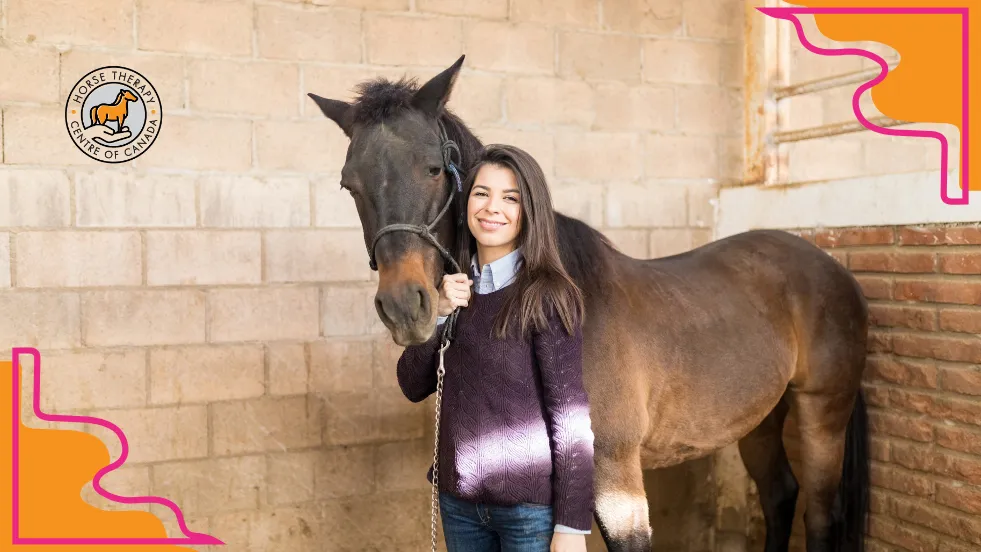
The Power of the Herd: How Horses Enhance Equine-Assisted Therapy Modalities
The Healing Power of Horses
The serene yet powerful presence of a horse has long been associated with peace and strength, but in the realm of therapy, horses offer a far deeper and more transformative benefit. Equine-Facilitated Wellness taps into the instinctual connection between humans and horses, providing a holistic healing experience that extends beyond the physical. This unique bond plays a critical role in Equine-Assisted Therapy Modalities, where horses serve as co-therapists, offering emotional guidance and support that traditional therapeutic methods may sometimes overlook. The therapeutic presence of horses encourages emotional self-awareness, fosters resilience, and promotes healing in a way that engages both mind and body.
In today’s fast-paced world, where emotional and psychological struggles are increasingly prevalent, Equine-Facilitated Wellness is gaining widespread recognition for its ability to foster healing, personal growth, and emotional balance. The connection between horses and humans is not just special; it’s intuitive and profoundly therapeutic. Through Equine-Facilitated Wellness, individuals can overcome personal challenges, build trust, and achieve emotional clarity. As this unique therapy continues to grow in popularity, it proves to be an effective and transformative tool for those seeking a deeper level of healing and personal growth. Equine-Assisted Therapy Modalities provide a safe and empowering environment where individuals can engage with horses to work through emotional and psychological hurdles, facilitating healing in a way that traditional methods cannot match.
In this blog, we will delve deeper into the transformative benefits of Equine-Facilitated Wellness and how it is revolutionizing therapy for individuals facing a variety of emotional and psychological challenges. As people increasingly seek holistic healing practices, Equine-Facilitated Wellness offers a unique approach by tapping into the natural connection between horses and humans. This powerful bond allows individuals to experience profound emotional growth, heightened self-awareness, and a deep sense of healing. The presence of horses in therapy goes beyond just physical interaction; it creates an environment where emotional resilience and trust can flourish, helping individuals confront and work through their personal struggles in a safe, non-judgmental space. Equine-Assisted Therapy Modalities create opportunities for individuals to connect deeply with themselves and their emotions, fostering growth and healing that can be truly life-changing.
What is Equine-Facilitated Wellness?
Equine-Facilitated Wellness encompasses various therapeutic practices where horses are integral to the healing process. In these modalities, horses are not just animals to ride or care for, they are co-therapists, with their own unique contributions to emotional and psychological growth.
Equine therapy, in all its forms, provides benefits that reach deep into a person’s emotional landscape. Working with horses helps individuals confront their emotions in a setting that is calm, non-threatening, and ultimately empowering. Whether the goal is to treat trauma, anxiety, depression, or stress, Equine-Assisted Therapy Modalities provide a holistic approach to well-being that works on multiple levels of the human experience.
Key Modalities of Equine-Facilitated Wellness
Several distinct modalities fall under the umbrella of equine-assisted wellness, each utilizing the therapeutic power of horses in different ways. These include:
Equine-Assisted Psychotherapy (EAP): This modality focuses on helping individuals with mental health issues such as anxiety, depression, trauma, and PTSD. Through guided activities and interactions with the horse, participants gain emotional insights and learn to process their emotions in a safe, therapeutic space.
Equine-Assisted Learning (EAL): Unlike EAP, which focuses primarily on mental health, EAL uses horses to teach life skills such as leadership, teamwork, communication, and problem-solving. EAL helps people build confidence, improve self-esteem, and develop new skills that are transferable to everyday life.
Equine Facilitated Psychotherapy (EFP): EFP uses the horse in a therapeutic environment to address specific mental health conditions. It is often employed to treat individuals who are facing significant emotional struggles or working through personal challenges such as relationship issues or substance abuse.
Each of these modalities makes use of the natural connection between humans and horses to promote healing in a way that traditional therapy sometimes cannot. By incorporating horses into the therapeutic process, individuals are able to engage with their emotions in a more dynamic and visceral manner, fostering a deeper sense of emotional resilience and growth.

How Do Horses Promote Emotional Resilience?
The role of horses in therapy goes beyond mere companionship. Horses offer individuals the opportunity to experience real-time feedback about their emotional and psychological state, facilitating healing on an emotional level. Horses are incredibly intuitive creatures. They sense the emotions and body language of those around them, and in doing so, they act as mirrors to reflect emotional states.
Through interactions with horses, individuals can experience the following:
Self-awareness and Reflection: Horses often act as emotional mirrors, providing individuals with instant feedback based on their energy and behavior. This can help individuals better understand their emotional triggers and develop new coping strategies.
Trust-building: Trust is central to any therapeutic process, and horses offer a unique way to develop trust without words. The bond between horse and human develops through consistency and gentle interaction, which builds confidence and emotional resilience.
Calming Presence: Horses have a natural ability to calm individuals by providing a sense of peace. Studies have shown that the presence of horses can reduce levels of cortisol (a stress hormone) and increase oxytocin (a hormone associated with bonding and relaxation).
Empathy and Connection: Horses teach empathy through the need for emotional attunement and responsiveness. The feedback loop between the horse and the individual helps foster greater emotional sensitivity, leading to stronger interpersonal relationships.
The Herd Dynamic: Why Horses Are Ideal for Therapy
Equine-assisted therapy harnesses the natural social structure of horses, offering unique benefits for emotional growth and healing. Horses are herd animals, meaning they thrive in social groups where cooperation, trust, and communication are essential. This innate herd dynamic makes them ideal for therapy, as individuals can engage with horses to gain profound insights into their own emotional landscapes.
In equine therapy, individuals are not only interacting with the horses but also with the social dynamics of the herd. Horses offer immediate, non-verbal feedback that allows participants to recognize and process their emotions in real-time, creating a deeply effective therapeutic environment.
1. Learn About Boundaries
Horses naturally establish and respect boundaries in their herds, which provides an important lesson for people in therapy. Working with horses teaches individuals the significance of personal space and healthy boundaries. Many people who have faced trauma or emotional struggles often have difficulties with boundaries, but horses provide clear, non-threatening signals when boundaries are crossed. If a person encroaches on a horse’s personal space or behaves in a way that feels uncomfortable to the horse, the animal will respond by moving away or becoming uneasy. This feedback allows individuals to learn how to better manage their own boundaries in relationships, fostering healthier interactions with others.
2. Develop Social Skills
Horses communicate largely through body language and subtle physical cues, which is an invaluable teaching tool for improving social skills. By working with horses, individuals become more attuned to non-verbal communication, enhancing their ability to read body language and understand emotional cues from others. In a herd, horses rely on each other’s non-verbal signals to navigate their social dynamics. In therapy, this provides an opportunity for individuals to practice these skills in a real-world setting. By observing how horses react to different emotional states, individuals learn how to improve their own social interactions, becoming more empathetic and adept at communication.
Furthermore, horses’ sensitivity to human emotions also helps individuals become more aware of how their actions and emotional states affect others. If a person is stressed or anxious, the horse may reflect these emotions by acting restlessly, helping the individual realize how emotions can impact relationships and social settings.
3. Cultivate Emotional Intelligence
Emotional intelligence (EI) is the ability to recognize, understand, and manage one’s emotions and the emotions of others. Horses, with their heightened sensitivity, serve as powerful tools for developing EI. They respond to subtle shifts in a person’s emotional state, providing immediate, honest feedback. In equine therapy, individuals can learn how their emotions affect the horse and others around them. This immediate feedback teaches emotional regulation and helps individuals gain a deeper understanding of their own emotional triggers.
By interacting with horses, individuals also learn empathy. Horses’ capacity to mirror human emotions gives people a safe space to explore their feelings and practice emotional awareness. This process leads to better self-regulation, stronger relationships, and greater emotional resilience in daily life.
4. The Impact of the Herd Dynamic on Healing
The herd dynamic also contributes to a sense of belonging and emotional support, which can be particularly healing for individuals who have experienced trauma or isolation. Horses do not judge or criticize; instead, they offer a presence that is calming and supportive. Their non-verbal communication encourages individuals to open up and trust the process.
As participants engage with the horse, they also begin to develop a bond built on mutual respect and trust. This bond can serve as a model for healthier relationships, helping individuals rebuild their trust in others. The social structure of the herd emphasizes interconnectedness, which reinforces the idea of community and mutual support, essential components of emotional healing.
The bond between a horse and a human in therapy is not just a one-way connection; it represents a balanced relationship, where both the human and the horse contribute to each other’s growth. Through the herd dynamic, individuals learn valuable lessons about cooperation, emotional regulation, and the importance of healthy, supportive relationships.

Unlock Your Potential with Equine-Assisted Therapy
Equine-Facilitated Wellness represents a powerful and transformative tool for individuals seeking emotional healing, personal growth, and resilience. Whether you are facing trauma, anxiety, or simply seeking to develop your self-awareness, Equine-Assisted Therapy Modalities offer a unique opportunity to experience healing in a deeply meaningful way. By forming a bond with horses, you tap into an ancient and intuitive connection that fosters trust, growth, and emotional balance.
At Horse Therapy Centre Canada, we specialize in guiding individuals through this transformative journey using Equine-Assisted Therapy Modalities. Our approach is designed to help individuals unlock their potential, develop emotional resilience, and promote overall well-being. Reach out today to learn more about how our unique therapeutic modalities can support your healing process and guide you on your path toward emotional balance and personal growth.