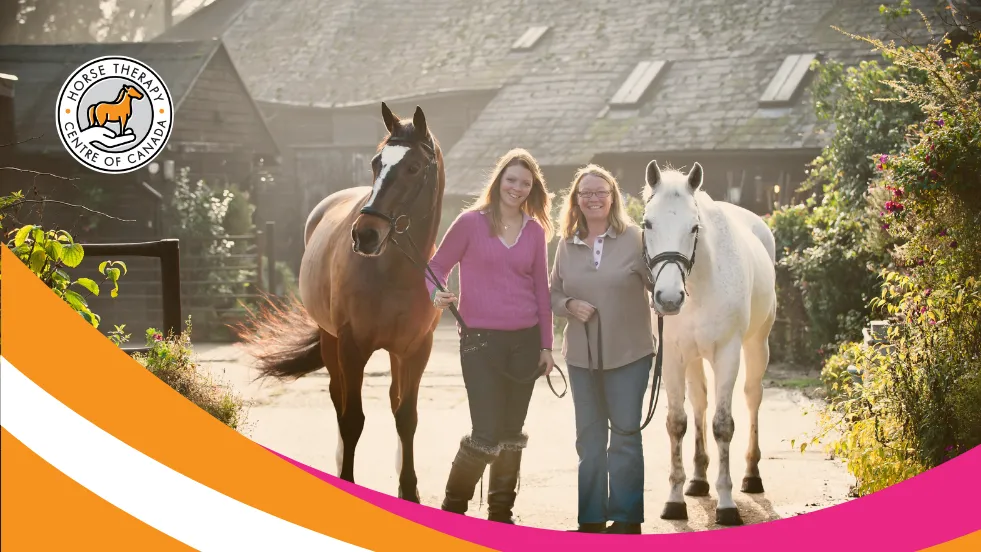
The Powerful Role of Community in Equine Therapy
Why Community Matters in Equine Therapy
Feeling supported and understood can make all the difference in personal growth. Many people turn to equine therapy to see how working with horses can help increase emotional awareness and improve how they relate to others. Horses create a calm, responsive environment where participants can pause, notice their reactions, and reflect on their communication and emotional responses.
These experiences often take place in a group. Small groups, guided activities, and trained facilitators give participants a chance to observe each other, share perspectives, and learn from one another’s experiences. Seeing others face similar challenges can help participants feel more comfortable, encourage openness, and build trust.
A strong sense of community helps participants stay engaged and feel emotionally supported while connecting with both peers and horses. Over time, these relationships encourage reflection and meaningful learning. In this blog, readers will explore how community-based equine therapy promotes emotional awareness, peer learning, and personal growth.
How Community Supports the Learning Process in Equine Therapy
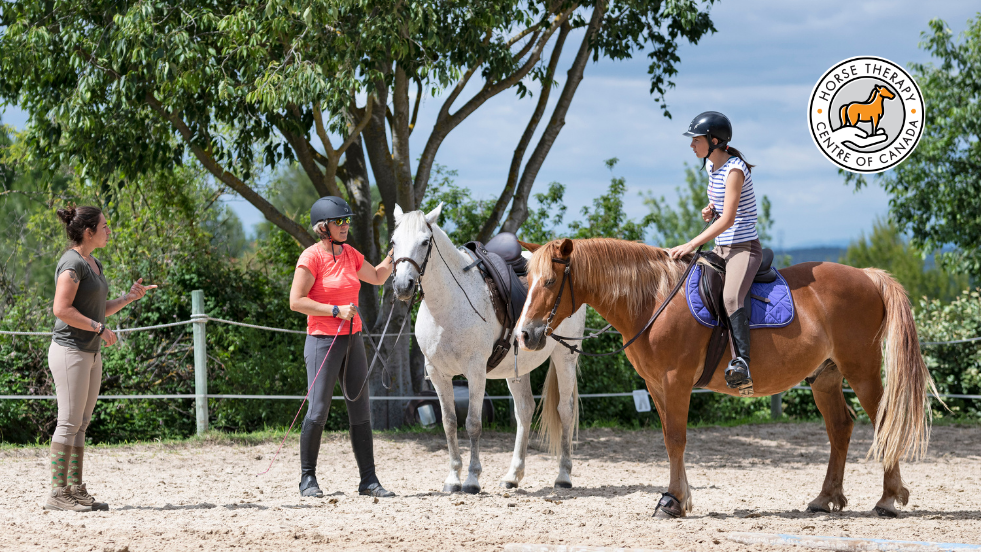
Although horses are a central part of the experience, the community around the program also plays an important role in how participants learn. In many equine therapy programs, participants work in small groups where they can watch each other interact with the horses. After the activities, facilitators often guide discussions where everyone reflects on what they observed.
These group conversations help participants notice patterns in communication and behaviour. Watching another person work with a horse may reveal things that someone might not notice during their own activity. Over time, these shared observations can help build a stronger understanding and self-awareness.
Common elements of community-based equine programs
Small group activities guided by trained facilitators
Opportunities to observe and talk about horse behaviour
Group reflection after exercises with the horses
Team activities that encourage communication and cooperation
These experiences allow participants to learn not only from the horses but also from each other. Hearing how others describe their experiences can offer new perspectives and encourage deeper reflection.
Organized group activities at Horse Therapy Centre of Canada combine hands-on work with horses and guided discussions. Within these sessions, participants reflect on their experiences and share insights with one another. This approach helps create a supportive and collaborative environment, allowing participants to explore personal growth while experiencing the benefits of equine therapy.
Emotional Safety in Group-Based Equine Therapy
Emotional safety is an important part of any therapeutic learning environment. When participants feel respected and supported, they are more comfortable sharing their thoughts and exploring new ways of understanding their experiences. Group-based equine therapy programs often focus on creating this kind of safe and supportive setting.
Facilitators help set clear expectations for respectful communication. Participants are encouraged to listen to one another and speak honestly without feeling pressured. These simple guidelines help create a space where individuals feel comfortable asking questions, sharing ideas, or reflecting on personal challenges.
Elements that help create emotional safety
Clear expectations for respectful communication
Structured group discussions after activities
Opportunities for participants to share at their own pace
Guidance from trained facilitators
When these elements are present, participants often feel more comfortable taking part in the learning process. Trust within the group helps people stay open and curious, which supports meaningful reflection and learning.
At Horse Therapy Centre of Canada, facilitators guide conversations, encourage thoughtful communication, and help participants notice both human and horse behaviour during activities. Through these supportive exercises, HTCC creates an environment where participants feel safe and respected, making it easier to experience the benefits of equine therapy while learning from the group setting.
Shared Experience and Accountability
Community settings naturally create a sense of accountability. When participants attend sessions with others, they often feel more motivated to stay involved and take part in the activities. Sharing the experience with a group can encourage people to support one another and recognize progress together.
Group discussions and collaborative exercises also help participants understand that learning usually happens step by step. Seeing others work through similar challenges can make the process feel more normal and less isolating.
A study on equine-assisted activities with adolescents found that participants in group-based programs reported higher levels of social support and confidence (Hauge et al., 2014). These findings suggest that learning alongside others may strengthen the overall impact of equine therapy experiences.
Personal reflection is combined with group learning at Horse Therapy Centre of Canada. Participants watch each other interact with horses and share observations during guided discussions. This makes it easier to stay engaged, get helpful feedback, and enjoy the benefits of equine therapy while building supportive connections with the group.
Horses as Social Partners in the Community
One of the unique aspects of equine therapy is that the horses themselves become part of the learning environment. Horses are very sensitive to human body language, tone of voice, and emotional energy. Because of this, they often respond to how people communicate and interact.
Participants often describe horses as honest partners in the learning process. Horses tend to react quickly to changes in a person’s behaviour or emotions. This encourages participants to stay aware of their actions and how they affect the horse.
Ways horses contribute to the group learning environment
Reflecting emotional states through their behaviour
Encouraging participants to stay calm and focused
Providing nonverbal feedback during activities
Supporting group discussions about communication and awareness
These responses from horses often lead to helpful conversations within the group. Participants begin to notice how their actions influence the horse and how similar patterns may appear in everyday relationships.
Participants in equine therapy often learn to see horses as active partners in the learning process. Horse Therapy Centre of Canada guides these interactions so participants can notice how their actions and emotions influence the horse, providing immediate, nonverbal feedback. This practice encourages reflection, calm communication, and helps participants recognize how these patterns may appear in everyday relationships.
The Long-Term Impact of Community in Equine Therapy Programs
The sense of community built during equine therapy programs often continues even after the sessions end. Participants sometimes form supportive connections with others who share similar goals and experiences. These relationships can encourage individuals to keep practicing the skills they began learning during the program.
Over time, participants may apply lessons from working with horses to everyday life. Skills such as communication, emotional awareness, and patience often develop gradually through repeated interaction with both horses and other participants.
Research on equine-assisted learning programs has also found improvements in stress levels and emotional functioning among people who take part in structured activities with horses (Jung et al., 2022). While several factors contribute to these results, supportive group environments are often an important part of the experience.
The sense of community is an important part of equine therapy programs at Horse Therapy Centre of Canada. HTCC fosters supportive group environments where participants can observe each other, share insights, and practice skills alongside horses. This combination of peer learning and hands-on experience helps participants build communication, emotional awareness, and patience, while encouraging them to apply these lessons in everyday life.
Consistency and Community in Equine Therapy Programs
Consistency is an important part of community-based equine therapy programs. When participants return to the same environment over time, they begin to become familiar with the horses, facilitators, and other participants. This sense of familiarity can help people feel more comfortable taking part in activities and reflecting on their experiences.
Regular sessions also give participants the chance to notice gradual changes in their behaviour and communication. As individuals gain confidence, they may feel more willing to try new approaches or explore deeper insights during activities with horses.
Why consistency strengthens equine therapy experiences
Participants build stronger relationships with peers and facilitators
Regular sessions allow skills to develop gradually
Familiar environments reduce uncertainty and increase comfort
Group accountability encourages continued participation
These repeated experiences help reinforce what participants learn during each session. Over time, individuals may notice progress
by observing how their interactions with horses and other group members change and develop.
Consistency in equine therapy programs is emphasized at Horse Therapy Centre of Canada, where returning to familiar settings helps participants feel comfortable and confident. The programs give individuals opportunities to practice skills gradually, build connections with peers and facilitators, and notice how their interactions with horses and the group develop over time, reinforcing learning and encouraging ongoing engagement.
Understanding the Broader Benefits of Equine Therapy
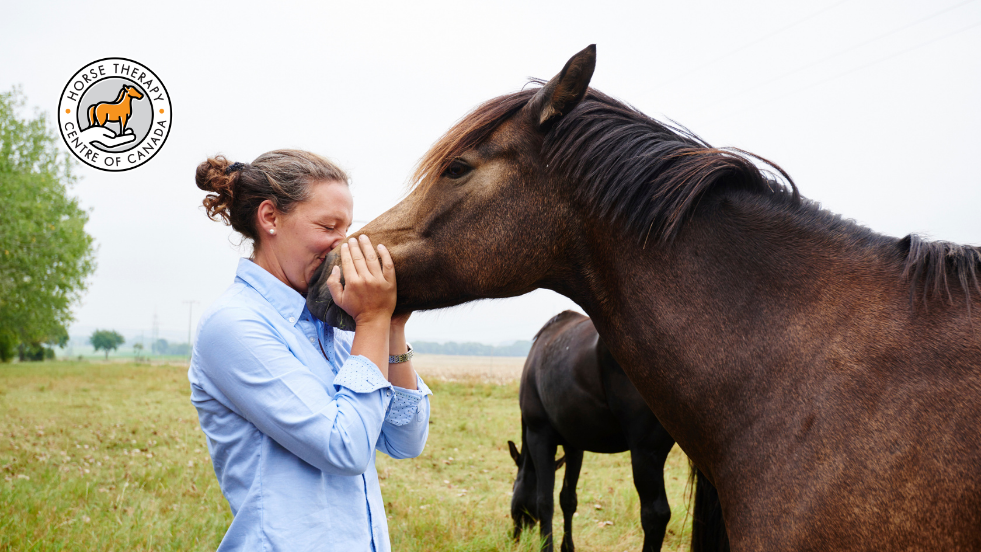
Many individuals explore equine therapy because they want to understand how working with horses may support emotional awareness and personal growth. These programs usually combine hands-on activities with guided discussions. After interacting with a horse, participants often talk about what they noticed and reflect on their experiences with both the horse and the group.
Research reviewing equine-assisted programs has reported improvements in areas such as confidence, emotional regulation, and awareness of others among participants in structured activities (Kendall et al., 2015). These changes usually happen gradually as people take part in sessions and reflect on what they learn.
Participants often ask how do horses help people in these programs. Horses react naturally to human body language and emotional signals. Because of this, their responses can help participants notice patterns in how they communicate or express emotions. When these experiences take place in a supportive group setting, participants may gain a clearer understanding of their behaviour and relationships.
What Participants Often Learn in Equine Therapy
Participants may begin to notice several important insights during sessions:
How body language and tone influence communication
The importance of patience and calm behaviour around horses
How emotional reactions affect interactions with others
Ways to observe and reflect before responding to a situation
These lessons often develop slowly as participants continue interacting with horses and discussing their experiences with the group.
Guided Learning With Horses
Guided learning with horses gives participants a chance to see the impact of their actions in real time. By working closely with the animals under supervision, participants can practice communication, focus, and self-control while receiving immediate, nonverbal feedback from the horse. These interactions help highlight how small changes in posture, tone, or energy can influence outcomes, making the learning very concrete and practical.
Activities at Horse Therapy Centre of Canada are paired with reflection and discussion, helping individuals understand how their behaviour affects both the horse and others in the group. Participants are encouraged to share observations and insights, which deepens self-awareness and reinforces lessons learned. This hands-on approach strengthens emotional awareness, patience, and interpersonal skills while allowing participants to apply what they practice to everyday relationships and situations.
Frequently Asked Questions
What is equine therapy, and how does it work?
Equine therapy is a program where participants engage in guided activities with horses to build emotional awareness, communication skills, and self-reflection. In the context of community-based programs, participants often learn alongside others, sharing observations and discussing experiences to strengthen understanding. Horse Therapy Centre of Canada integrates these group dynamics into each session, allowing individuals to see how interactions with both horses and peers contribute to personal growth.
What are the main equine therapy benefits?
Equine therapy benefits include improved communication, increased confidence, and heightened emotional awareness. In community settings, participants gain additional insight by observing peers, reflecting together, and supporting each other’s learning. Programs at Horse Therapy Centre of Canada emphasize this shared experience, showing how collective observation and discussion enhance the overall impact of equine therapy.
How do horses help people during therapy programs?
Horses respond instantly to human body language, tone, and emotional energy. This natural feedback helps participants notice patterns in their behaviour and encourages reflection on personal reactions. When combined with a group learning environment, as practiced at Horse Therapy Centre of Canada, participants can compare observations, discuss insights, and see how their interactions affect both the horse and the community.
Why is community important in equine therapy?
Community plays a crucial role in equine therapy because participants learn not only from horses but also from each other. Shared experiences and guided discussions allow individuals to explore communication, emotional awareness, and relationship dynamics more deeply. Horse Therapy Centre of Canada fosters this collaborative environment, showing how working together strengthens engagement, reflection, and the transformative power of equine-assisted learning.
For More Information
You may also find these Horse Therapy Centre of Canada articles helpful:
Cultivating Compassion: How Equine-Assisted Therapy Nurtures Empathy and Emotional Connection
Finding Balance: How Equine-Assisted Therapy Promotes Personal Growth and Well-Being
The Power of the Herd: How Horses Enhance Equine-Assisted Therapy Modalities
These articles explore how equine-assisted programs combine horses, facilitators, and participants to support meaningful learning experiences.
References
Hauge, H., Kvalem, I. L., Berget, B., Enders-Slegers, M. J., & Braastad, B. O. (2014). Equine-assisted activities and the impact on perceived social support, self-esteem and self-efficacy among adolescents: An intervention study. International Journal of Adolescence and Youth, 19(1), 1–21. https://pmc.ncbi.nlm.nih.gov/articles/PMC4017275/
Jung, T., Kim, M., Kim, S., & Lee, J. (2022). The effect of equine-assisted learning on improving stress and emotional functioning. Healthcare, 10(8), 1564. https://www.mdpi.com/2227-9032/10/8/1564
Kendall, E., Maujean, A., Pepping, C. A., Wright, J. J., Crisp, K., Schofield, G., Sutherland, K., & Murray, G. (2015). A systematic review of the efficacy of equine-assisted interventions on psychological outcomes. European Journal of Psychotherapy & Counselling, 17(1), 57–79. https://doi.org/10.1080/13642537.2014.996169
Exploring Equine Therapy Programs at Horse Therapy Centre of Canada
Being part of a supportive community makes equine therapy even more powerful. Working with horses alongside others allows participants to practice skills, reflect on experiences, and build emotional awareness in a hands-on, interactive way. This shared environment also encourages participants to learn from each other, see different perspectives, and feel motivated as they observe peers facing similar challenges. Over time, these group experiences can help strengthen confidence, patience, and communication skills.
Experience the benefits of connecting with horses and people in a safe, guided setting. Horse Therapy Centre of Canada combines structured activities with equine-assisted exercises and group discussions, giving participants real opportunities to notice how their actions affect others and the horse. Discover how this unique approach can foster growth, emotional insight, and meaningful connections. Contact HTCC today to learn more about programs and upcoming opportunities.