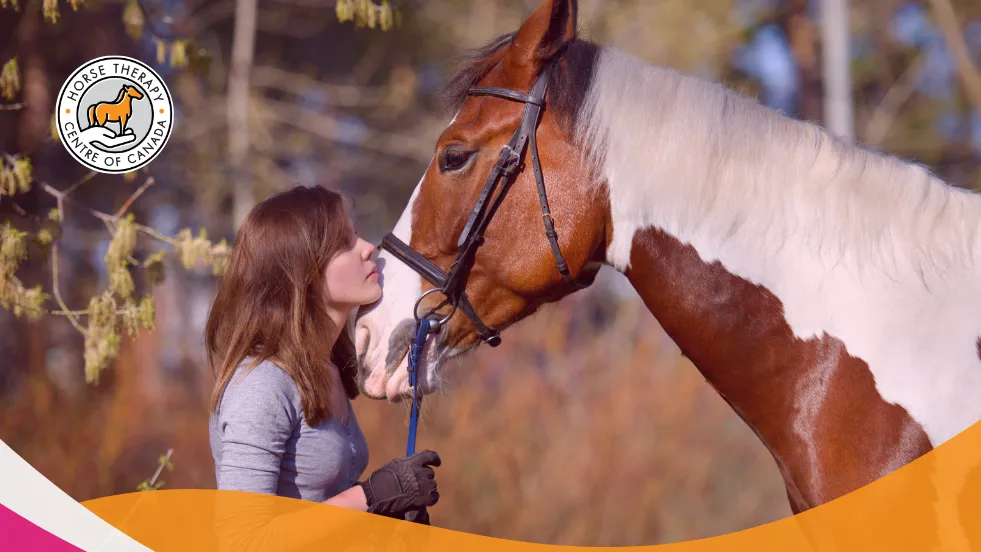
Experiential Therapy with Horses That Helps Build Emotional Strength
Understanding Emotions Through Real Experiences in Experiential Therapy
Stress, fear, or frustration are often easier to notice during real experiences rather than during conversation alone. Talking about emotions can be helpful, but reactions often appear in the moment when someone faces a challenge or something unfamiliar. This is one reason experiential therapy focuses on learning through direct activities instead of discussion only.
When horses are involved, participants take part in guided activities with a calm and responsive animal. These interactions can reveal how someone responds to pressure, communication difficulties, or new situations. Horses are very sensitive to body language and behaviour, so their reactions often reflect what is happening in the moment. This type of work is commonly connected to equine therapy, where structured interaction with horses helps participants practice patience, awareness, and steady communication. Through these experiences, individuals can begin to notice patterns in how they move, respond, and manage emotions.
This blog explains how experiential therapy with horses works, what typically happens during sessions, and how guided equine activities can support emotional awareness and balanced responses over time.
What Experiential Therapy Means in Practice
Experiential therapy focuses on learning through real experiences rather than only talking about feelings. Instead of just discussing emotions, participants take part in guided activities where they can notice how they respond to different situations and gradually learn healthier ways to react with the support of a professional.
Examples of experiential therapy activities may include working with horses, role-playing communication situations, creative exercises such as art or movement, or problem-solving tasks with others. These activities help participants practice emotional awareness, communication, and self-control in real-life situations. When horses are involved, these experiences are often part of equine assisted learning, where participants develop insight through hands-on interaction and reflection.
When horses are involved, the experience becomes especially hands-on. Horses naturally notice body language, tone, and movement, so they often respond right away to the behaviour of the person interacting with them. In equine-assisted therapy and equine assisted learning, participants may observe the horse, guide it through simple activities, or complete tasks that require patience, focus, and calm communication.
Through these experiences, participants may begin to notice things such as:
how they react when they feel pressure
whether they feel comfortable setting boundaries
how clearly they communicate
how their emotions influence their actions
These insights can help people better understand their reactions in everyday life. At Horse Therapy Centre of Canada, programs such as equine-assisted therapy sessions, farm-based ABA therapy programs, therapeutic camps, and experiential retreats provide structured opportunities to interact with horses while building emotional awareness, communication skills, and confidence in a calm and supportive environment
Clearing Up Some Misunderstandings About Experiential Therapy
Therapy that involves horses is sometimes mistaken for riding lessons or simply spending time around animals. In reality, experiential therapy programs are carefully structured and guided by trained professionals. Many of these programs also incorporate equine assisted learning, where interaction with horses becomes a tool for reflection and personal growth. The horse does not replace the therapist. Instead, the horse becomes part of the environment where learning takes place. Facilitators guide the activities, observe interactions, and help participants reflect on what they experienced during the session.
Another point that often confuses is hippotherapy. Although it also involves horses, hippotherapy is a clinical treatment provided by licensed physical, speech, or occupational therapists. Its main focus is physical movement and rehabilitation. Experiential therapy, in contrast, focuses on emotional awareness, communication, and understanding behaviour through real-life interaction. Riding is also not always required. In many programs, participants work with horses on the ground through simple and guided activities such as:
grooming the horse
leading the horse slowly
observing horse behaviour
guiding the horse through a simple task
Understanding these differences can help people approach equine programs with clearer expectations. At Horse Therapy Centre of Canada, sessions are thoughtfully guided so each activity with the horse has a purpose. Through programs such as equine-assisted therapy sessions, farm-based ABA therapy, therapeutic camps, and experiential retreats, participants take part in structured activities that support reflection, skill-building, and personal growth in a calm and supportive environment.
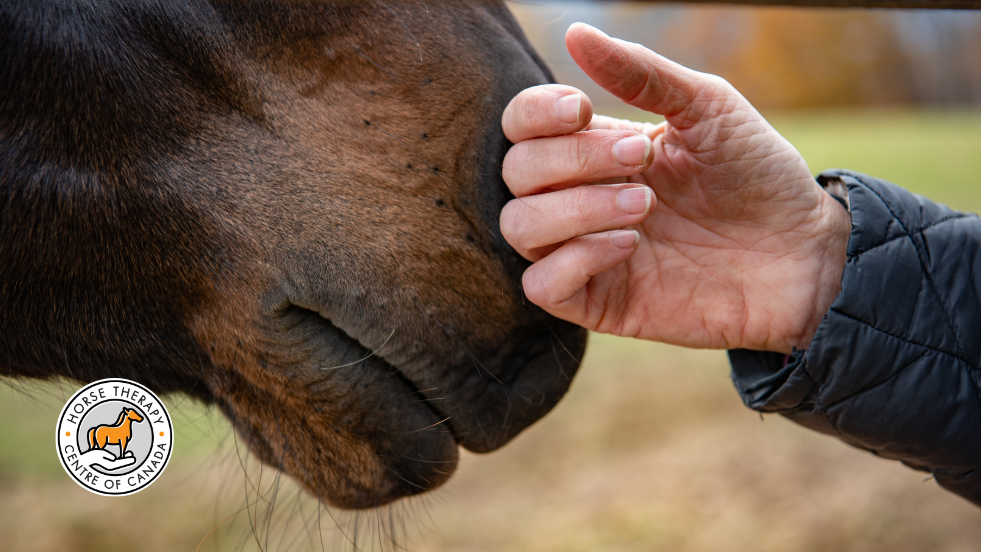
How Experiential Therapy With Horses Works
Sessions in experiential therapy usually follow a clear and steady guide. This predictable format helps participants feel comfortable while learning new skills. Activities are not meant to test or judge anyone. Instead, they create safe opportunities to observe communication, behaviour, and emotional reactions during interaction with the horse.
Working with horses allows participants to see how small changes in movement, tone, or focus can affect the interaction. Because horses respond quickly to these signals, the experience often provides immediate feedback that supports learning.
Learning to Read Horse Behaviour
The first step often involves learning how horses communicate. Horses rely mostly on body language rather than spoken words. Their reactions often reflect what they notice in the person working with them.
A horse may respond to signals such as:
posture
movement
breathing patterns
tone of voice
Learning to notice these signals helps participants become more aware of their own body language and emotional state. This awareness is an important part of experiential learning.
Hands-On Activities
After learning basic safety guidelines and horse communication, participants take part in simple guided activities with the horse. These activities are designed to support focus, patience, and calm interaction.
Examples of activities may include:
Leading a horse along a short path
Guiding the horse around obstacles
Practising calm and steady movement near the animal
Working together with another participant to complete a task
These exercises help participants see how their actions influence the horse’s response. Over time, they begin to recognise how communication, boundaries, and emotional reactions shape the interaction.
Reflection After the Activity
After completing an activity, participants take time to reflect on what happened. Facilitators may ask simple questions that encourage observation and understanding.
Examples may include:
What did you notice about your reactions during the task?
How did the horse respond to your actions?
What helped the activity go more smoothly?
Approaches that combine therapy with equine-assisted learning often follow a simple cycle of activity and reflection. First, the participant takes part in a guided activity with the horse. After the activity, the facilitator helps the participant think about what happened and what it might mean. This process helps connect the experience with situations that occur in everyday life.
At Horse Therapy Centre of Canada, sessions are organised with this step-by-step approach in mind. Each activity is guided carefully so participants can safely interact with the horse while learning from the experience. Through these interactions, individuals can build awareness, improve communication, and develop a better understanding of their emotional responses.
Who Experiential Therapy Can Help
Experiential therapy often appeals to those who want a more practical way to understand their emotions. Learning through direct experience can be helpful when it is difficult to explain feelings through conversation alone. Activities create opportunities to notice reactions, communication styles, and emotional patterns as they happen.
Participants in these programs may have different goals, but many are interested in improving emotional awareness or strengthening communication skills. Examples may include:
teens developing social and communication skills
adults navigating stress or major life changes
individuals working to build confidence
participants who want to better understand their emotional reactions
Working with horses allows participants to practice patience, focus, and calm interaction. Because horses are highly sensitive to body language and behaviour, their responses often reflect what is happening in the moment. This natural feedback can help participants recognise how their actions influence the interaction.
In many animal-assisted therapy settings, horses are included because their behaviour is direct and consistent. This makes it easier for participants to notice how small changes in posture, tone, or movement affect communication. At Horse Therapy Centre of Canada, programs are designed to provide guided experiences with horses. These sessions create a supportive environment where participants can explore emotional awareness and communication through hands-on learning.
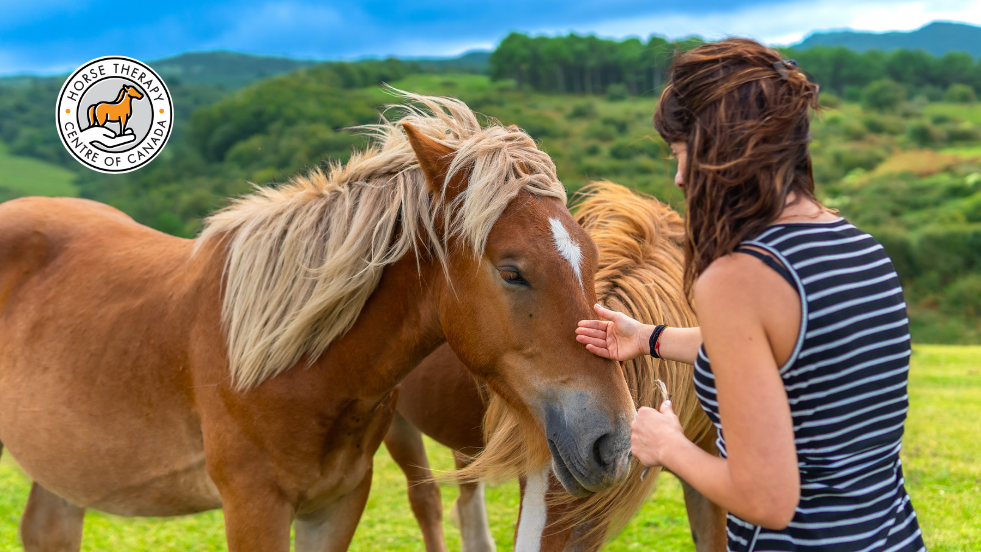
Cases Where Experiential Therapy May Not Be Recommended
Although experiential therapy can be helpful for many people, it may not be the right fit for everyone. Understanding possible limitations can help individuals decide whether this approach suits their needs.
Some situations where experiential therapy may not be recommended include:
Strong fear or discomfort around large animals, which may make working with horses stressful at first
Certain medical or physical conditions that could make it difficult to move safely in farm or outdoor environments
Situations that require other forms of professional support, where experiential therapy may only be one part of a broader care plan
Expectations of quick results, since changes in experiential therapy usually develop gradually over time
Progress in therapy often happens step by step. People may begin to notice small improvements such as increased awareness, calmer reactions, or clearer communication. At Horse Therapy Centre of Canada, programs begin with a conversation to help determine whether equine-based experiences are a good fit, ensuring participants start with clear expectations and the right support.
How People May Grow Through Experiential Therapy
Participants often begin to notice small changes as they continue attending sessions. These changes usually happen gradually as new skills are practiced over time. For example, some participants may realize they are able to stay calmer when facing a difficult task or an unexpected situation.
Improvements in Communication and Focus
Some participants begin to communicate more clearly and confidently during activities. They may also develop better focus when completing tasks, especially when those tasks require patience, attention, and cooperation with others.
Building Confidence Through Hands-On Activities
Working with horses can help participants build confidence step by step. As individuals learn to guide the horse, complete simple tasks, or interact calmly with the animal, they often develop a stronger sense of capability and self-trust.
Greater Awareness of Emotions and Body Language
Participants may also become more aware of their body language and emotional signals. Because horses naturally respond to movement, posture, and tone, these interactions can help people recognize how their behaviour influences the environment around them.
Activities with horses have also been linked to improvements in emotional regulation and self-confidence. Research suggests that guided interaction with horses can support emotional control, build confidence, and strengthen self-esteem during therapy sessions (Souilm, 2023).
Another study examining equine assisted learning programs in educational settings found that students developed stronger communication and teamwork skills through interactions with horses (Stoppard & Donaldson, 2024). These gradual and practical improvements are often the focus of programs at Horse Therapy Centre of Canada, where guided activities with horses are designed to support steady skill development over time.
Why Safety and Professional Guidance Matter in Experiential Therapy with Horses
Because experiential therapy involves learning through real activities, safety and proper guidance are very important when horses are part of the program. Working with horses requires thoughtful planning, clear safety procedures, and trained supervision to help ensure that both participants and horses are protected. An environment helps keep activities calm, organized, and supportive for learning.
Guidance From Trained Professionals
Sessions are guided by trained facilitators who understand both therapy practices and horse behaviour. Their role is to guide activities, observe interactions, and help participants reflect on what they experienced during the session.
Facilitators often work together with a horse specialist who monitors the horse’s behaviour and well-being. This teamwork helps ensure that the horse remains comfortable while participants take part in experiential activities. It also helps maintain a balanced environment where both the participant and the horse are supported.
Carefully Selected Horses
Not every horse is suitable for therapeutic settings. Horses used in these programs are chosen for their calm temperament and steady behaviour. They are also trained to work safely with participants and are monitored regularly to make sure they remain healthy and comfortable.
Clear Safety Guidelines
Before activities begin, participants learn simple safety guidelines so they can interact confidently around horses.
Examples may include:
approaching the horse slowly and calmly
staying aware of the horse’s movement and personal space
listening carefully to staff instructions
standing in safe positions when interacting with the horse
Learning about horse behaviour is also part of the experience. Horses naturally respond to body language and emotional signals, which is why careful supervision is important during experiential therapy sessions. Clinical discussions about equine-assisted therapy also highlight the importance of trained guidance, especially when participants may be experiencing emotional dysregulation (Harrison, 2022). At Horse Therapy Centre of Canada, safety and ethical care are central to how programs are designed. Each session is carefully guided to protect participants, respect the horses involved, and create a stable environment where meaningful experiential learning can take place.
Frequently Asked Questions
What is experiential therapy?
Experiential therapy is an approach where people learn through real activities instead of conversation alone. Participants take part in guided tasks and reflect on how they react during the experience. When horses are involved, interacting with the animal can help people notice emotional patterns, body language, and communication habits. At Horse Therapy Centre of Canada, experiential therapy is part of programs where structured activities with horses help participants explore emotional awareness and personal growth in a supportive environment.
What is equine therapy?
A common question people ask is what is equine therapy. It refers to programs where horses are included in therapeutic or learning activities. Participants may groom, lead, or observe horses while practicing communication, patience, and emotional awareness. These types of guided interactions are part of the equine-assisted programs offered at Horse Therapy Centre of Canada, where horses are included as part of structured experiential learning experiences.
Is riding required in experiential therapy?
No. Many experiential therapy programs do not require riding. Participants often work with horses on the ground through activities such as grooming, observing the horse, or guiding it through simple tasks. These ground-based interactions are commonly used in sessions at Horse Therapy Centre of Canada, allowing participants to focus on communication, awareness, and confidence without needing riding experience.
How is hippotherapy different from equine therapy?
Hippotherapy uses the horse’s movement as part of physical, occupational, or speech therapy provided by licensed clinicians. Equine therapy, in contrast, focuses more on emotional awareness, communication, and personal reflection through interaction with horses. At Horse Therapy Centre of Canada, programs are designed around experiential learning with horses rather than clinical hippotherapy services.
For More Information
If you would like to explore related topics, these articles provide additional insight into equine-assisted programs and experiential learning with horses:
Transforming Lives: Equine-Assisted Therapy and Learning for Self-Improvement
Cultivating Compassion: How Equine-Assisted Therapy Nurtures Empathy and Emotional Connection
Finding Balance: How Equine-Assisted Therapy Promotes Personal Growth and Well-Being
The Power of the Herd: How Horses Enhance Equine-Assisted Therapy Modalities
These articles explore different ways horses can support communication, emotional awareness, and personal development through equine programs at Horse Therapy Centre of Canada.
References
Harrison, K. L. (2022). Equine-assisted psychotherapy: Implications for treating trauma and emotional dysregulation (Doctoral dissertation, Eastern Kentucky University). https://encompass.eku.edu/cgi/viewcontent.cgi?article=1027&context=psych_doctorals
Souilm, N. (2023). Equine-assisted therapy effectiveness in improving emotion regulation, self-efficacy, and perceived self-esteem of patients suffering from substance use disorders. BMC Complementary Medicine and Therapies, 23, 363. https://link.springer.com/article/10.1186/s12906-023-04191-6
Stoppard, L. S., & Donaldson, J. D. (2024). Evaluation of equine assisted learning in education for primary school children: A qualitative study of the perspectives of teachers. Frontiers in Education. https://www.frontiersin.org/articles/10.3389/feduc.2024.1275280/full
Exploring Experiential Therapy in Equine Programs
Understanding emotions often requires more than discussion. Real experiences can help people observe reactions that may not appear during conversation alone. Working with horses creates opportunities to notice communication patterns, emotional responses, and personal boundaries in a practical environment.
These experiences are designed to help participants develop awareness and steadier responses over time. If you would like to learn more about equine-assisted programs or upcoming sessions, you can contact Horse Therapy Centre of Canada for information about available opportunities and program details.