
Therapy Goals That Help You Feel Safe and Confident Around Horses
Building Safety and Confidence Through Clear Therapy Goals
Spending time around horses can feel exciting, but it’s also normal to feel a little unsure at first. Horses are large, sensitive animals, and learning how to interact with them safely takes time, patience, and guidance. That’s why having clear therapy goals is an important part of equine-assisted programs.
In guided sessions, time with the horses isn’t random. Activities are planned so participants can learn specific skills step by step. For example, someone might practice approaching a horse calmly, paying attention to its body language, or communicating in a steady and respectful way. These small moments may seem simple, but they help participants build confidence and comfort around the horses over time.
This blog explores how therapy goals help create a safe and supportive environment when working with horses. It also explains how clear guidance and gradual progress can help participants feel more confident while developing trust and awareness through equine-assisted activities.
What Therapy Goals Mean in Equine-Assisted Programs
In equine-assisted programs, therapy goals help give direction to what happens during each session. A therapy goal simply means identifying the skill or area a participant is working on while spending time with the horses. Instead of activities happening randomly, each task is chosen to support learning, awareness, or personal growth.
How Therapy Goals Guide Each Session
Therapy goals help facilitators decide which activities will be most helpful for the participant. For example, someone might be working on staying calm, communicating clearly, building confidence, or becoming more aware of their emotions and body language. Even simple activities, such as grooming a horse, leading it slowly, or standing quietly beside it, can support these goals when they are guided with care.
Why Clear Goals Help Participants Feel More Comfortable
When participants understand what they are working on, sessions can feel more predictable and less overwhelming. Knowing the purpose behind each activity often helps people relax and stay focused. This can make it easier to build trust with the horse and feel more comfortable during the experience.
How Small Steps Lead to Progress
Progress in equine-assisted programs usually happens through small steps. As participants repeat activities and become more familiar with the horses, they often start to feel more confident and comfortable. Over time, these small improvements can make a meaningful difference.
At Horse Therapy Centre of Canada, therapy goals are carefully considered when planning each session. Instructors and facilitators observe how participants interact with the horses and adjust activities based on their comfort level, learning needs, and progress. Sessions may include groundwork, guided interaction with the horses, and riding activities that help participants practice communication, focus, and confidence in a safe environment. By connecting each activity to a clear goal, HTCC helps ensure that participants not only enjoy their time with the horses but also experience meaningful learning and personal development throughout the program.
Why Therapy Goals Help People Feel Safe Around Horses
Working with horses requires calm behaviour and clear communication. Horses are very aware of their surroundings and often respond to small changes in movement, body language, or tone of voice. Because of this sensitivity, interactions with horses need to be guided carefully so that both the participant and the horse feel comfortable.
This is where therapy goals become helpful. Clear goals give each session a sense of direction and help break the learning process into manageable steps. Instead of doing too much too quickly, participants are introduced to horses gradually. For example, someone might first learn how to stand near a horse safely, observe how the horse moves, or understand how the animal responds to people nearby. These early steps help participants become familiar with the environment and reduce feelings of uncertainty.
As participants gain confidence, new skills can be added. They might practice gentle grooming, leading the horse with guidance, or communicating calmly while working beside the horse. Each activity builds on the previous one, allowing participants to develop comfort and awareness at their own pace. Setting small and realistic therapy goals helps people move forward without feeling rushed or overwhelmed.
At Horse Therapy Centre of Canada, these guided steps are an important part of each session. Instructors introduce participants to the horses slowly and explain how to interact with them in a calm and respectful way. By focusing on clear goals and steady progress, the program helps participants feel safe, build confidence, and develop a positive connection with the horses over time.
Things People Often Get Wrong About Therapy Goals With Horses
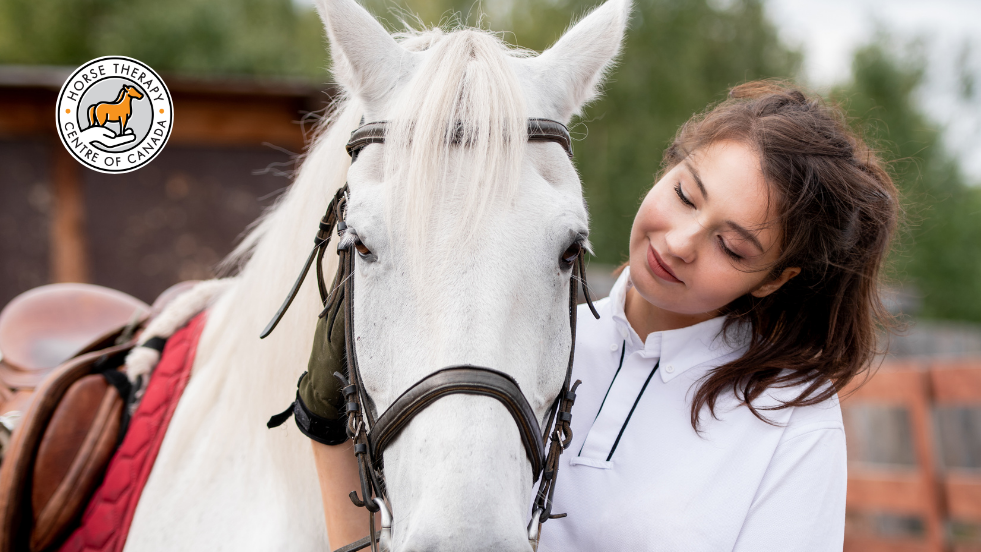
Many people are curious about how therapy with horses works, but there are a few common ideas that don’t always reflect what actually happens in these sessions. Because the setting often looks calm and relaxed, it’s easy to assume that activities happen naturally without much planning. In reality, therapy goals help guide each session so participants can learn and grow in a safe and supportive way.
Sessions Are More Than Just Spending Time With Horses
Some people think equine therapy is simply about being around horses. While spending time with horses is an important part of the experience, the activities are usually guided with a clear purpose. Therapy goals help shape what participants practice during the session, such as building confidence, improving communication, or becoming more aware of emotions and body language.
Riding Is Not Always the Main Focus
Another common idea is that riding is always the main part of equine therapy. In many programs, much of the learning actually happens on the ground. Activities like grooming, leading the horse, or quietly observing how the horse moves can help participants develop patience, focus, and communication skills.
Feeling Comfortable Around Horses Takes Time
It’s also common to assume that participants will feel comfortable with horses right away. In reality, building confidence around horses often happens gradually. Some people may start by simply observing the horse or standing nearby before becoming more involved in activities.
Having clear therapy goals helps make this gradual process possible. At Horse Therapy Centre of Canada, sessions are guided carefully so participants can learn how to interact with horses safely while slowly building comfort and confidence around them.
How Therapy Goals Are Set During Equine Therapy
Creating effective therapy goals begins with understanding the participant. Facilitators look at the person’s comfort level, interests, and learning style before planning activities. Goals are usually simple and clear. Instead of large expectations, facilitators focus on small steps that can be practiced during sessions with horses.
Steps Often Used in Goal Setting in Therapy
In equine-assisted programs, therapy goals are usually introduced step by step. This helps facilitators understand the participant’s needs and create activities that feel safe and manageable. Instead of expecting big changes right away, progress often happens gradually as participants become more comfortable around the horses.
1. Understanding the Participant’s Comfort Level
The first step is usually understanding how comfortable the participant feels around horses. Some people may already enjoy being around animals, while others might feel a little unsure at first. By observing how the participant reacts near the horse, facilitators can decide how to introduce activities in a calm and supportive way.
2. Choosing Activities That Support Safe Interaction
Once the participant’s comfort level is clearer, facilitators choose activities that encourage safe interaction with the horse. These activities might include watching how the horse moves, standing nearby, grooming, or slowly leading the horse with guidance. Each activity helps the participant learn how to interact calmly and respectfully with the animal.
3. Setting Small and Realistic Learning Goals
Therapy goals are usually small and realistic so participants don’t feel overwhelmed. For example, a goal might be learning how to approach the horse calmly, follow simple instructions during grooming, or stay relaxed while standing next to the horse. Reaching these small goals can help build confidence over time.
4. Adjusting Goals as Confidence Grows
As participants become more comfortable, goals can gradually change. New activities may be introduced once earlier tasks start to feel easier. This steady approach allows participants to continue learning while building trust with the horse.
At Horse Therapy Centre of Canada, goal setting is an important part of every session. Activities are introduced gradually so participants can learn how to interact with horses safely while building confidence and comfort in the environment.
Who Often Benefits From Clear Therapy Goals in Equine-Assisted Programs
Clear therapy goals can be especially helpful for people who learn best through hands-on experiences. Working with horses gives participants the chance to practice important skills while doing real activities rather than only talking about them. Because horses respond quickly to body language and behaviour, participants can often see how their actions affect the interaction with the horse.
These programs may be helpful for individuals who are working on areas such as:
Building confidence when trying new activities
Improving communication skills, both verbal and nonverbal
Developing emotional awareness and understanding reactions in different situations
Practicing focus, patience, and responsibility while completing tasks with the horse
For example, grooming a horse or leading it slowly with guidance can help participants practice staying calm, paying attention, and following instructions. These simple activities often become meaningful learning moments.
People of different ages may benefit from this kind of environment. Some participants enjoy the outdoor setting and hands-on learning, while others appreciate the opportunity to work with animals in a calm and supportive space. At Horse Therapy Centre of Canada, sessions are guided so that each activity connects to clear therapy goals. Participants are introduced to the horses gradually, and facilitators help them build confidence and comfort over time while learning how to interact safely with the horses.
How Progress May Develop Over Time in Equine-Assisted Programs
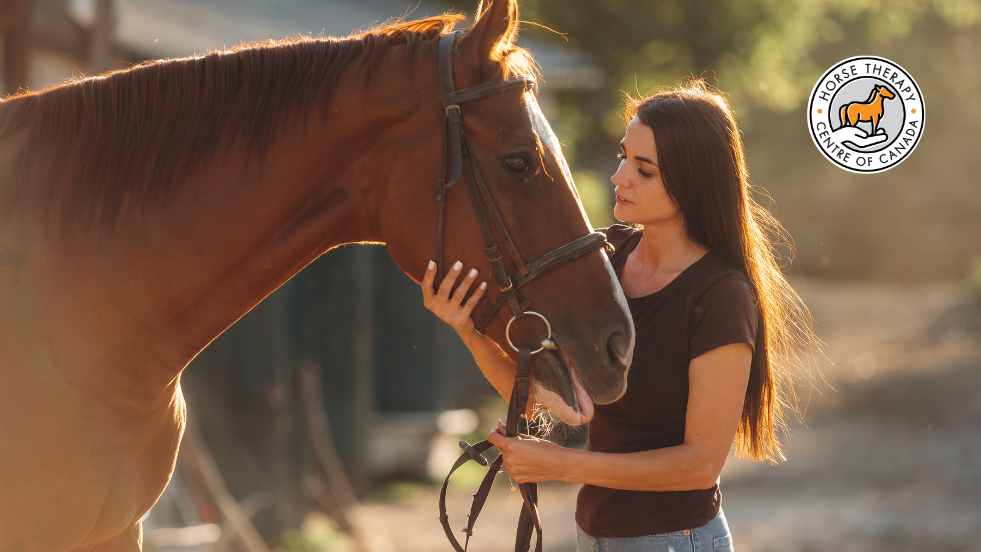
Progress in equine-assisted programs often happens gradually. Most participants start with simple activities that help them become familiar with the horse, the environment, and the people guiding the session. As they spend more time around the horses, small changes may begin to appear. These changes often reflect growing confidence, better communication, and a greater sense of comfort during activities.
Over time, participants may begin to show progress in ways such as:
Feeling more comfortable standing or working near a horse
Communicating more clearly during guided tasks
Completing routine activities with less support
Becoming more aware of emotions and reactions during interactions
These improvements usually happen little by little as participants gain experience and confidence around the horses. Research has found that equine-assisted activities may support confidence and social connection for participants (Hauge et al., 2014). Other studies suggest that guided equine therapy sessions may help improve emotional regulation and self-confidence over time (Souilm, 2023).
At Horse Therapy Centre of Canada, sessions are guided so participants can learn and progress at a pace that feels comfortable. Activities are introduced gradually, helping individuals build confidence, improve communication, and develop a positive connection with the horses over time.
How Safety and Responsible Care Are Practiced in Equine Therapy Programs
Safety is an important part of any equine therapy program. Horses are large animals, so activities need to be guided carefully to make sure both the participant and the horse feel comfortable. For this reason, sessions are planned with clear steps and supervision so everyone knows how to interact safely.
Not every horse is suited for therapy work. Horses that participate in these programs are usually chosen because they have calm temperaments and respond well to people. They are also trained to work in environments where participants may be learning new skills or feeling a little unsure at first.
Participants are usually introduced to the horses slowly. Facilitators explain how to approach the horse, where to stand, and how to move calmly during activities. These simple steps help participants feel more confident while also helping the horse stay relaxed.
Safety Practices Often Include
Careful supervision during all activities so participants always have support nearby
Clear instructions before interacting with the horse so participants understand what to do
Gradual learning steps that introduce activities slowly as confidence grows
Respectful care for the horses so their comfort and well-being are protected
In responsible programs, the well-being of the horses is just as important as the safety of the participants. Horses need proper care, rest, and respectful handling so they remain healthy and comfortable.
Professional guidelines for animal-assisted programs also highlight the importance of safety, ethical care, and thoughtful program planning (Cleary et al., 2024). At Horse Therapy Centre of Canada, these ideas guide how sessions are organized. Activities are supervised carefully so participants can learn how to interact with horses safely while the horses themselves are treated with care and respect.
Frequently Asked Questions About Therapy Goals
What are therapy goals in equine-assisted therapy?
Therapy goals are the skills or areas a participant is working on during sessions with horses. These goals help guide the activities so the time spent with the horses has a clear purpose. For example, someone might focus on improving communication, building confidence, or becoming more aware of their emotions and reactions. At Horse Therapy Centre of Canada, facilitators plan sessions with these goals in mind so participants can develop skills while learning to interact safely with the horses.
Why are therapy goals important when working with horses?
Clear therapy goals help sessions feel more organized and predictable. When participants understand the purpose of each activity, they often feel more comfortable and focused. This can make it easier to learn how to interact calmly and safely with the horses. At Horse Therapy Centre of Canada, activities are introduced gradually so participants can build confidence and feel at ease in the environment.
How are therapy goals chosen?
Therapy goals are usually based on the participant’s needs, comfort level, and learning style. Facilitators think about which skills the participant may benefit from practicing and choose activities that support steady progress. Goals are often kept simple so participants can build confidence step by step. At Horse Therapy Centre of Canada, facilitators observe how participants interact with the horses and adjust activities to support their learning and comfort.
Do therapy goals change over time?
Yes, therapy goals can change as participants gain new skills and become more comfortable around the horses. As confidence grows, facilitators may introduce new activities that encourage continued progress. At Horse Therapy Centre of Canada, sessions are adapted as participants develop confidence so they can continue learning at a pace that feels comfortable.
Is goal setting different when horses are involved?
The idea of setting goals is similar to other therapy settings, but working with horses adds a hands-on element. Participants can practice communication, awareness, and emotional regulation while interacting with the horse in real time. At Horse Therapy Centre of Canada, this environment allows participants to learn through experience while building a positive and respectful connection with the horses.
For More Information
If you would like to explore more about equine-assisted therapy and how programs support personal growth and confidence, these Horse Therapy Centre of Canada articles may be helpful:
The Power of the Herd: How Horses Enhance Equine-Assisted Therapy Modalities
Cultivating Compassion: How Equine-Assisted Therapy Nurtures Empathy and Emotional Connection
Healing with Horses: How Equine-Assisted Therapy Provides Lasting Relief from Anxiety
These articles offer additional insight into how equine-assisted programs help support emotional awareness, communication, and personal development at Horse Therapy Centre of Canada.
References
Cleary, M., et al. (2024). A scoping review of equine-assisted therapies on mental health outcomes. https://www.tandfonline.com/doi/full/10.1080/01612840.2024.2364236
Hauge, H., Kvalem, I. L., Berget, B., Enders-Slegers, M. J., & Braastad, B. O. (2014). Equine-assisted activities and the impact on perceived social support, self-esteem and self-efficacy among adolescents. International Journal of Adolescence and Youth, 19(1), 1–21. https://pmc.ncbi.nlm.nih.gov/articles/PMC4017275/
Souilm, N. (2023). Equine-assisted therapy effectiveness in improving emotion regulation, self-efficacy and perceived self-esteem among patients with substance use disorders. https://pmc.ncbi.nlm.nih.gov/articles/PMC10576391/
Learn More About Therapy Goals in Equine-Assisted Programs
Clear therapy goals help make equine-assisted programs more organized and supportive. When participants understand what they are working toward, it becomes easier to build confidence step by step. Guided activities also help create a calm environment where both the participant and the horse can interact comfortably.
If you would like to learn more about how therapy goals are used in equine-assisted programs, you can contact the team at Horse Therapy Centre of Canada. They can provide information about their programs, explain how sessions are guided, and help you explore whether this approach may be a suitable option for you or someone you support.