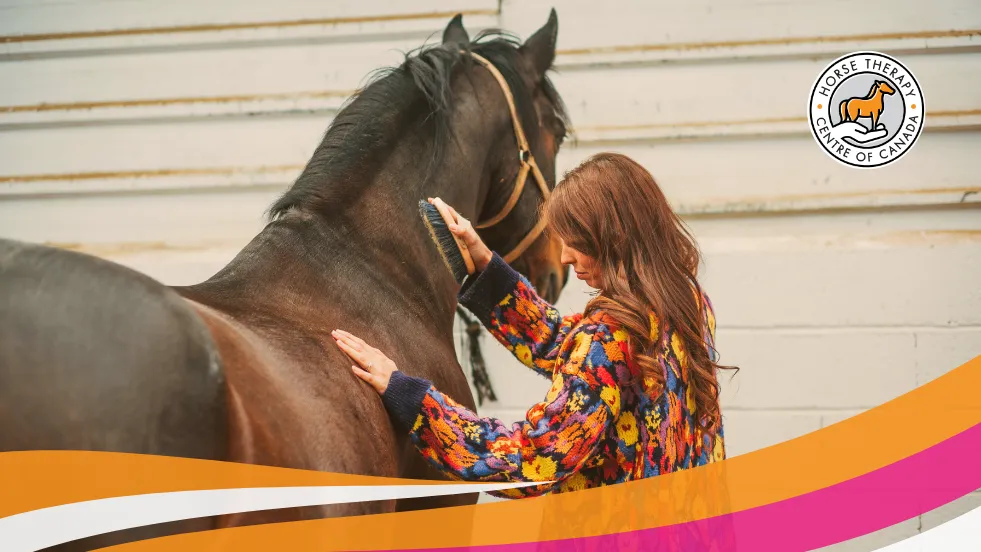
Horses and Healing: Better Response to Being Seen and Judged
When Being Seen Feels Different Around Horses
Feeling watched or judged can make people tense, guarded, or unsure of how they come across to others. In everyday life, many interactions involve expectations, opinions, and social pressure. Because of this, it can sometimes be hard to relax or express yourself naturally. But the experience can feel very different when the interaction is with an animal instead of another person.
This is where the connection between horses and healing becomes meaningful. Horses do not judge people or form opinions the way humans often do. Instead, they respond to what they notice in the moment. Their reactions are based on body language, movement, and energy rather than words. Because of this, interactions with horses can feel more honest and immediate. Many people notice that the horse simply responds to what is happening right now, which can help them become more aware of their behaviour without feeling criticized.
This blog explains how the natural connection between horses and healing supports therapeutic environments. It explores how horses respond to human behaviour, why their reactions can help people develop greater self-awareness, and how structured equine-assisted activities create opportunities for learning, confidence building, and emotional growth.
Understanding the Idea Behind Horses and Healing
The concept of horses and healing is not based on the belief that horses magically solve problems. Instead, it focuses on how interactions with horses can support reflection and learning. Horses respond naturally to the behaviour they observe, which allows people to see how their actions influence the interaction.
Unlike humans, horses do not judge appearance, status, or past mistakes. Their reactions depend on immediate cues such as posture, movement, and tone. Because of this, the interaction often feels neutral and honest.
In many cultures, people have long believed in the calming presence of animals. Stories about horses as healers around the world reflect the long relationship between humans and horses. Modern therapeutic programs build on this idea by using guided activities that allow participants to interact with horses in meaningful ways.
These programs do not rely on conversation alone. Instead, the interaction itself becomes part of the learning process. During sessions at the Horse Therapy Centre of Canada, participants work directly with horses through guided activities that focus on observation, communication, and calm interaction. These experiences help individuals explore how their behaviour, body language, and emotions influence the horse, creating practical opportunities to build awareness and understanding in a supportive environment.
Why Horses Provide Honest and Nonverbal Feedback
One reason horses and healing can work well in therapeutic settings is that horses communicate mainly through body language. Horses pay close attention to small signals such as posture, breathing, and movement. Research on human–horse interaction suggests that emotional states between humans and horses can influence one another during interaction, a process sometimes described as emotional transfer (Scopa et al., 2019). Because horses rely on these signals to understand what is happening around them, their reactions are often clear and easy to notice. This makes interactions with horses feel more direct and helps people become more aware of how their behaviour influences the interaction.
Reasons Horses Provide Honest and Nonverbal Feedback
They rely on body language rather than words
Horses naturally watch posture, movement, and energy to understand what is happening around them. Because they depend on these signals to communicate, they often respond clearly to the way a person approaches or moves. This type of communication can make interactions feel more direct and easier to understand.
They notice small changes in behaviour
Horses are very observant animals. Even slight shifts in tension, breathing, or confidence can influence how a horse reacts. For example, when someone approaches calmly and moves steadily, the horse may relax and stay nearby. If a person appears tense or unsure, the horse may step back or become more alert. These small reactions can help people notice how their behaviour affects the interaction.
They respond quickly to emotional cues
Research suggests that horses can recognize human emotional expressions and react differently depending on what they observe. For example, horses respond differently when shown an angry face compared with a relaxed or friendly one (Smith et al., 2016). This sensitivity allows participants to see how emotions may influence the horse’s response.
Their responses are immediate and natural
Horses do not filter their reactions the way people sometimes do. Because of this, the feedback they provide is often immediate and straightforward. Participants can see how their posture, tone, or energy affects the interaction with the horse. This can make it easier to reflect on behaviour in a simple and clear way.
In structured programs offered at the Horse Therapy Centre of Canada, guided sessions help participants notice these responses and reflect on what they may mean. Facilitators support participants as they observe the horse’s reactions and consider how small changes in their own behaviour can influence the interaction.
How Horse Healing Therapy Works in Practice
Horse healing therapy often focuses on simple, guided interactions that take place on the ground rather than complex activities. These sessions are designed to create a calm environment where participants can observe and interact with horses in a safe and structured way. By slowing down and paying attention to the horse’s behaviour, people begin to notice how communication can happen without words.
Typical activities may include:
Grooming the horse
Participants gently brush the horse’s coat using grooming tools while learning where horses are comfortable being touched and how to approach them safely. Grooming encourages calm movement, patience, and awareness of the horse’s reactions. As participants notice how the horse responds to different touches or pressure, they begin to understand how their behaviour influences the interaction.
Leading the horse with guidance
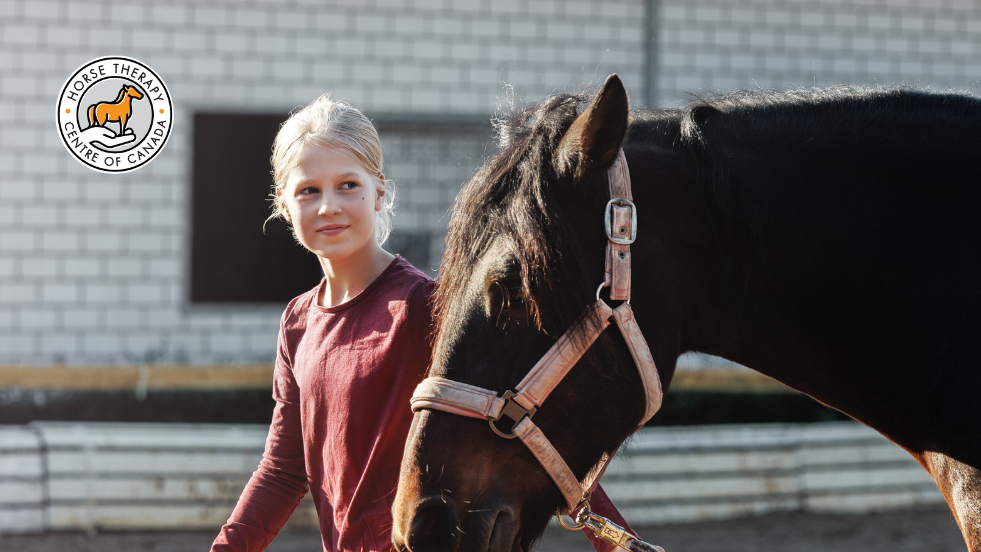
In this activity, participants learn how to walk beside the horse while holding a lead rope, usually with the support of a facilitator. Leading a horse requires clear direction, steady pacing, and confident body language. Participants often discover that when they move calmly and consistently, the horse is more likely to follow their guidance.
Observing herd behaviour
Participants may spend time watching horses interact with each other in their natural herd environment. This helps them notice how horses communicate through body language such as ear position, posture, and movement. Observing these interactions can help participants better understand how nonverbal communication works among horses and between horses and humans.
Practicing calm movement around the horse
Participants are guided to move slowly and thoughtfully around the horse while paying attention to personal space and positioning. This may include approaching the horse, standing beside it, or walking around it safely. Through these exercises, participants learn how calm movement and steady behaviour can influence how the horse responds.
Each activity creates an opportunity for observation and reflection. Participants begin to notice how the horse reacts to their body language, movement, and emotional state. For example, when someone moves quickly or appears tense, the horse may step away or become more alert. When the person approaches calmly and consistently, the horse may remain relaxed and cooperate more easily.
These interactions provide clear, real-time feedback that participants can observe and reflect on. Over time, this process helps people become more aware of how their actions influence the horse and the interaction itself. In programs offered through the Horse Therapy Centre of Canada, facilitators guide participants through these activities so they can better understand what these moments reveal about communication, awareness, and personal growth.
Understanding Equine Healing and Clearing Up Common Misunderstandings
Interest in equine healing has grown in recent years, but people sometimes have incorrect ideas about how these programs actually work. Because horses are often associated with emotional connection and calming environments, some descriptions can make equine healing seem mysterious or automatic. In reality, these programs are carefully structured and guided so participants can learn through direct interaction with the horse.
Misunderstanding 1: Horses Have Special Powers That Automatically Heal People
One common belief is that horses have special or mystical abilities that automatically heal emotional difficulties. In reality, equine healing is based on structured interaction rather than symbolic ideas. Horses respond naturally to human body language, movement, and tone. Facilitators guide participants in observing these reactions so they can notice patterns in communication, behaviour, and emotional awareness.
Misunderstanding 2: Equine Healing Is Mostly About Riding
Another common misconception is that participants must ride horses to benefit from these programs. Many equine healing activities actually take place on the ground. Participants may groom the horse, lead it during simple exercises, or observe how the horse reacts to different forms of communication. These ground-based activities can create meaningful opportunities for learning and reflection.
Misunderstanding 3: Horses Act as the Therapist
It is also important to understand that horses themselves are not acting as therapists. Instead, they respond honestly to human behaviour, which helps facilitators guide conversations about confidence, boundaries, and communication. Their natural reactions provide clear feedback that participants can observe and reflect on.
At the Horse Therapy Centre of Canada, programs are designed to provide a guided and supportive environment where these interactions can take place safely. Careful planning and professional guidance help ensure that experiences involving horses are purposeful, respectful, and focused on learning and personal growth.
Why Some People Connect Well with Horse Healing Therapy
Horse healing therapy can be helpful for people who learn best by doing rather than talking. Instead of relying only on conversation, these programs involve hands-on activities where participants interact directly with horses. Through these experiences, people can notice how their body language, movement, and emotions influence the horse’s response.
For many participants, working with horses feels different from traditional therapy settings. Horses respond honestly to what they observe in the moment. Because of this, people can often see how their actions affect the interaction right away. This type of real-time feedback can help participants become more aware of their communication, behaviour, and emotional responses.
Some individuals who may benefit from horse healing therapy include:
Children who learn best through activity
Many children find it easier to focus and stay engaged when learning involves movement and interaction. Activities such as grooming or leading a horse give children a chance to practice patience, cooperation, and attention while working toward a clear task.
Individuals building confidence and self-awareness
Working with a horse can help people notice how their posture, movement, and emotions influence the horse’s behaviour. Seeing these responses can help participants better understand how they communicate and how small changes in behaviour can make a difference.
People who feel more comfortable in outdoor environments
Some individuals find it easier to relax and participate in activities when they are outside rather than in a traditional indoor setting. Being around animals and natural surroundings can create a calmer atmosphere that supports focus and participation.
Participants interested in learning through animal interaction
For some people, working with animals feels more natural than formal discussion-based approaches. Horses provide opportunities to practice communication, boundaries, and responsibility through shared activities and observation.
In programs offered through the Horse Therapy Centre of Canada, these interactions are guided by trained facilitators who help participants reflect on what they observe during each activity. By connecting these experiences to everyday communication and relationships, participants can apply what they learn beyond the therapy setting.
When Horse Healing Therapy May Not Be the Right Fit
Horse healing therapy can be a meaningful experience for many people, but it may not be the right choice in every situation. Working with horses means being around large animals and spending time in an outdoor farm environment. Because of this, it’s important to think about a person’s comfort level, health needs, and readiness before joining a program.
Severe allergies to animals
Some people have strong allergies to animals, hay, or dust that can be present in farm settings. In these cases, spending time around horses may cause physical discomfort and make it harder to focus on the experience.
Strong fear of horses
Horses are large animals, and some individuals may feel very nervous or fearful around them. While a little uncertainty is normal, a strong fear can make it difficult for someone to relax and participate comfortably in activities with the horse.
Medical conditions that limit safe interaction
Certain medical or physical conditions may make it unsafe to work closely with horses. Because horses are powerful animals, participants need to be able to move calmly, follow instructions, and maintain safe positioning during activities.
Situations that require more intensive medical care
Horse healing therapy is not meant to replace medical or clinical treatment. Individuals who need specialized medical or mental health care may first need support from healthcare professionals before participating in equine-based programs.
Thinking about these factors helps ensure that horse healing therapy remains safe and beneficial for participants. At the Horse Therapy Centre of Canada, staff take time to talk with individuals any comfort level, goals, and safety cd families about the considerations before starting a program. This helps determine whether an equine-based experience is the right fit for each person.
How Progress Can Develop in Horse Healing Therapy
Progress in horse healing therapy often happens gradually. Instead of sudden breakthroughs, many participants notice small changes that build over time as they interact with the horse and become more aware of how their behaviour influences the interaction.
Some common signs of progress in horse healing therapy may include:
Increased confidence around the horse
Many participants feel unsure when they first approach a horse. Over time, as they learn how to interact safely and calmly, they often begin to feel more comfortable and confident. This growing confidence can also help participants feel more at ease in other new or unfamiliar situations.
Greater awareness of body language
Participants often start to notice how posture, movement, and energy influence the horse’s response. This awareness can also help people think about how nonverbal communication affects everyday interactions. As they observe the horse’s reactions, they begin to understand how small adjustments in behaviour can make a difference.
Improved patience and focus
Activities like grooming or leading a horse require steady attention and calm movement. Practicing these tasks can help participants develop patience and stay focused on what they are doing. Over time, this practice can support better concentration during other tasks and daily activities.
Better emotional regulation
Because horses react to tension and calmness, participants may begin to notice how their emotional state affects the interaction. Learning to remain calm around the horse can help people practice managing stress or frustration. These experiences can encourage participants to pause and regulate their reactions before responding.
Clearer communication with others
As participants learn to guide and interact with the horse, they may also begin to think differently about how they communicate with people in their daily lives. Observing how the horse responds to clear or unclear signals can highlight the importance of consistent communication.
These changes often appear slowly as participants continue interacting with the horse and reflecting on their experiences. Research has shown that equine-assisted activities can support improvements in confidence and perceived social support among adolescents (Hauge et al., 2014). In programs at the Horse Therapy Centre of Canada, facilitators guide participants through these experiences and help them notice the small changes that develop over time.
How Safety and Respect Shape Horse Healing Therapy
Safety and ethical care are essential in responsible horse healing therapy programs. Because horses are large and powerful animals, sessions are carefully structured so both participants and horses remain safe and comfortable. Clear guidance, trained professionals, and thoughtful planning help create a calm environment for interaction.
Common safety practices in horse healing therapy programs include:
Professional supervision during all activities
Trained facilitators remain present throughout each session to guide participants and monitor interactions with the horse. Their role is to ensure that activities are carried out safely while helping participants understand what they observe during the experience.Horses selected for calm and reliable temperament
Not every horse is suited for therapeutic environments. Programs carefully select horses that show patience, steadiness, and comfort working around people. These qualities help create a more predictable and supportive experience for participants.Clear safety instructions for participants
Before interacting with the horse, participants are taught how to approach, stand, and move around the animal safely. Learning these guidelines helps people feel more confident while also protecting the horse from sudden or confusing movements.Gradual introduction to horse interaction
Many programs introduce participants to horses step by step. Early activities may involve observing the horse or standing nearby before moving on to grooming or leading exercises. This gradual process helps participants build trust and understanding.Emergency safety procedures when needed
Responsible programs prepare for unexpected situations by having clear safety plans in place. This preparation helps ensure that both participants and horses remain safe if something unusual happens during a session.
Ethical care for the horses is just as important as participant safety. Horses involved in therapy programs need proper training, regular rest, and living environments that support their health and comfort. When horses are well cared for, they are more relaxed and able to participate in sessions in a calm and cooperative way. At the Horse Therapy Centre of Canada, these principles guide how every session is organized. Both participant safety and horse welfare are carefully considered so that interactions remain respectful, structured, and supportive for everyone involved.
Frequently Asked Questions
What does horses and healing mean in therapy programs?
Horses and healing refers to structured interactions where horses are part of a guided therapeutic or learning experience. Instead of focusing only on conversation, participants interact with horses through simple activities such as grooming, observing behaviour, or leading the horse. The horse’s natural responses help people notice how their body language, behaviour, and emotional state influence the interaction. In sessions at the Horse Therapy Centre of Canada, facilitators guide participants through these activities so they can reflect on what they observe and better understand communication and self-awareness.
How does horse healing therapy help people feel less judged?
In horse healing therapy, horses respond to body language and behaviour rather than social expectations. They do not judge a person’s appearance, background, or past experiences. Because of this, many participants feel more comfortable trying new ways of interacting without worrying about criticism. At the Horse Therapy Centre of Canada, facilitators help participants notice how the horse responds and use these moments to talk about confidence, communication, and personal awareness.
Are horses as healers around the world part of traditional practices?
Yes. The idea of horses as healers appears in many cultures and historical traditions around the world. For centuries, people have worked closely with horses and often describe their calm and steady presence. Modern equine-assisted programs build on this long relationship by creating structured environments where these interactions can support learning and personal development. Programs at the Horse Therapy Centre of Canada use guided activities to help participants experience this connection in a safe and supportive setting.
What is a healing horse in therapy settings?
A healing horse is a horse chosen for its calm, patient, and predictable temperament. These horses are comfortable working around people and are trained to participate in structured programs. Their steady behaviour helps create an environment where participants can interact safely and focus on the experience. The horses at the Horse Therapy Centre of Canada are carefully selected and cared for so they can support these guided interactions.
Is equine healing the same as riding therapy?
Not always. Many equine healing programs focus on activities that take place on the ground rather than riding. Participants may groom the horse, lead it during simple exercises, or observe how horses interact in a herd. These activities allow people to learn from the horse’s responses while building confidence and awareness. In programs at the Horse Therapy Centre of Canada, many sessions include these ground-based activities so participants can safely explore communication and interaction with the horse.
For More Information
You may also find these Horse Therapy Centre of Canada articles helpful:
Bridging the Gap: Enhancing Teen Communication Skills with Equine-Assisted Therapy
Stress Management Through Equine-Assisted Therapy: A Natural Path to Calm and Balance
Finding Harmony: Equine Therapy for Life Balance and Fulfillment
These articles provide additional insight into how structured programs involving horses can support communication, emotional awareness, and personal development through guided interaction with horses.
References
Hauge, H., Kvalem, I. L., Berget, B., Enders-Slegers, M. J., & Braastad, B. O. (2014). Equine-assisted activities and the impact on perceived social support, self-esteem, and self-efficacy among adolescents. Human–Animal Interaction Bulletin. https://pmc.ncbi.nlm.nih.gov/articles/PMC4017275/
Scopa, C., Contalbrigo, L., Greco, A., Lanatà, A., Scilingo, E. P., Baragli, P., & Borgi, M. (2019). Emotional transfer in human–horse interaction. Animals, 9(12), 1034. https://pmc.ncbi.nlm.nih.gov/articles/PMC6941042/
Smith, A. V., Proops, L., Grounds, K., Wathan, J., & McComb, K. (2016). Functionally relevant responses to human facial expressions of emotion in horses (Equus caballus). Biology Letters, 12(2), 20150907. https://doi.org/10.1098/rsbl.2015.0907
Learn More About Horses and Healing
If you are interested in learning more about horses and healing, exploring how equine-assisted therapy works can be a helpful next step. Understanding how guided activities with horses are designed can give you a clearer idea of how these experiences support awareness, communication, and personal development.
You can also explore the programs and approaches offered by the Horse Therapy Centre of Canada to see how structured interaction with horses supports learning and growth in a calm and supportive environment. If you would like more information about available programs or upcoming sessions, you can contact the Horse Therapy Centre of Canada directly to learn more and ask any questions you may have.