
10 Reasons Therapy for Kids Works Better in a Farm-Based Learning Environment
Why Farm-Based Therapy for Kids Creates a Powerful Learning Environment
Many children learn best when they are moving, exploring, and taking part in real activities. Sitting at a desk or table for long periods does not work well for every child. Some children understand new skills more easily when they can practice them while doing something meaningful. Because of this, many families begin looking for different types of therapy for kids that allow learning through hands-on experiences.
Farm-based therapy is one approach that combines learning with everyday farm activities. Children might brush a horse, organize simple equipment, or follow step-by-step routines around the farm. These tasks may look like normal chores, but they are often carefully planned to help children practice communication, focus, patience, and responsibility in a natural setting.
This blog explains ten simple things parents should understand about farm-based therapy for kids. It explores how these programs are guided, how safety is managed around animals, how progress is observed over time, and how everyday farm routines can help children build practical life skills. Understanding these ideas can help parents see how farm environments can support learning in ways that feel engaging and meaningful for children.
1. Farm-Based Therapy Is Not Just Outdoor Play
When parents first see a farm-based program, it may look like children are simply spending time outdoors. They might notice children brushing a horse, walking through the barn, or helping with small farm tasks. At first glance, these activities can appear like casual play or everyday chores.
In reality, most of these activities are planned as part of a guided learning approach. Each task is chosen for a reason and organized so children can practice specific skills step by step. Families may also hear about aba for parents, which helps explain how behaviour, learning, and clear routines work together to support a child’s progress. ABA for parents focuses on helping families understand simple behavioural strategies they can use in everyday situations, such as giving clear instructions, reinforcing positive behaviours, and creating consistent routines so children can practice communication, cooperation, and daily living skills both during therapy and at home.
Through these routines, children practice communication, focus, and responsibility while taking part in meaningful activities. Research has shown that equine-assisted activities can support self-confidence, social connection, and engagement when children participate in guided interactions with horses (Hauge et al., 2013). Programs offered at Horse Therapy Centre of Canada design farm tasks so learning happens naturally through everyday experiences rather than only in a traditional therapy setting.
2. Feeding, Cleaning, and Animal Care Routines Help Children Learn
Farm life follows many clear and predictable routines. Animals need to be fed at certain times, tools must be cleaned and put back in place, and daily tasks are usually done in a specific order. These routines create an environment where children can learn while taking part in real activities. Because these tasks happen every day, they naturally create learning opportunities during therapy for kids. Children practice listening to instructions, following steps, staying focused, and finishing tasks from start to end. Repeating these routines can help children become more comfortable with responsibility and build confidence over time.
Some programs also help families understand applied behaviour analysis for parents, which explains how clear routines and consistent guidance can support learning and behaviour development. At Horse Therapy Centre of Canada, everyday farm activities are organized using a structured approach so children can practice skills in a predictable way. Sessions may follow simple routines such as greeting the horses, learning how to approach animals safely, grooming, feeding, leading a horse with guidance, and helping clean or organize equipment after activities. These step-by-step routines help children practice listening, following instructions, taking turns, and completing tasks from beginning to end while participating in real-life farm responsibilities.
3. Animals Often Help Children Feel Comfortable
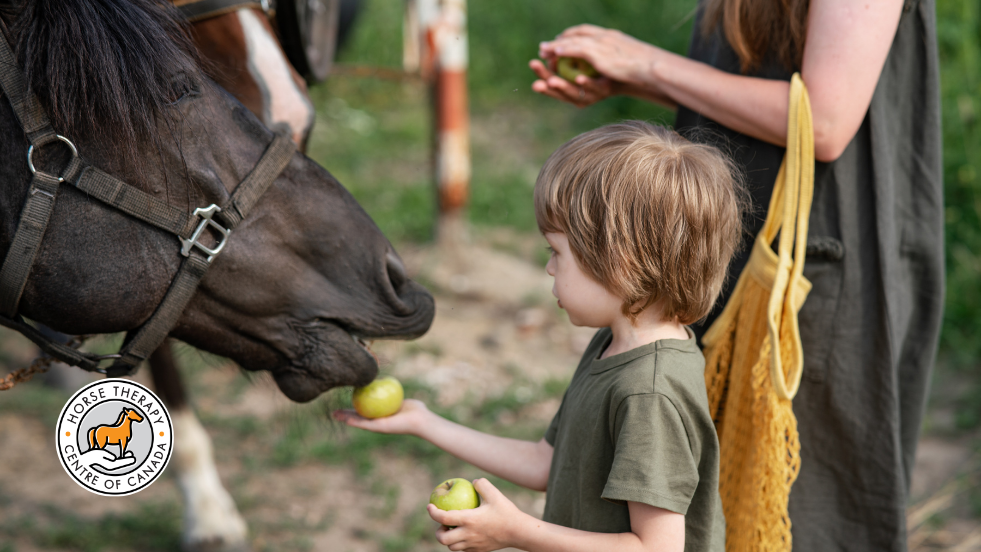
Many children feel calmer when they are around animals. Unlike people, animals do not judge or expect children to behave in a certain way. They respond mainly to body language and behaviour, which can make interactions feel simpler and less stressful.
Working with animals can also encourage communication. While brushing a horse, leading it, or helping with basic care tasks, children may listen to instructions, ask questions, or follow guidance from staff. These situations create comfortable opportunities for children to practice speaking, listening, and cooperating.
Over time, these experiences can help children build confidence and improve social skills. Studies on therapeutic horseback riding suggest that structured interaction with horses may support emotional regulation, confidence, and social development when activities are guided by trained professionals (Weiss-Dagan et al., 2022). At Horse Therapy Centre of Canada, guided horse activities create opportunities for children to practice communication, attention, and emotional awareness in a calm and supportive setting.
4. Safety Is Always a Priority
Safety is a key part of any program where children work around animals. Professional programs set clear rules so children understand how to move safely around the barn and interact properly with animals. These guidelines help create an environment where children can learn while feeling secure and supported.
Before activities begin, children are usually taught simple safety steps. They may learn where to stand near a horse, how to approach animals calmly, and how to follow instructions during each task. Understanding these basic rules helps children feel more comfortable and prepared.
Safety practices in programs often include:
Trained staff supervising all activities
Calm and carefully selected animals
Clear step-by-step instructions
Consistent routines that children can easily follow
At Horse Therapy Centre of Canada, these safety steps are built into every session so children can take part in farm activities in a way that supports learning while maintaining a safe and well-organized environment.
5. Progress Is Carefully Observed
Parents often ask does aba therapy work when they first learn about behavioural approaches used in therapy programs. One important part of guided therapy is measuring progress over time. Instead of guessing whether a child is improving, professionals observe and record how children respond during activities.
During sessions, therapists pay attention to how children follow instructions, communicate, stay focused, and respond to different tasks. These observations help identify changes in communication, attention, and behaviour. Tracking progress also allows therapists to adjust activities so they continue to support each child’s needs.
Families may also learn about parent aba services, which help parents understand how therapy goals are set and how progress is measured. At Horse Therapy Centre of Canada, staff observe children closely during activities and use those observations to guide future sessions so learning continues in a steady and supportive way.
6. Parents Are Part of the Learning Process
Family involvement plays an important role in helping children succeed. Many programs offer parent aba services so parents can better understand the strategies used during therapy and how they support learning and behaviour development.
In many cases, parents are able to observe sessions or receive guidance from professionals about what their child is practicing. They may learn how instructions are given clearly, how tasks are broken into smaller steps, and how positive behaviours are encouraged during activities. This helps parents see how learning happens during therapy and why certain activities are used.
When parents understand these strategies, they can continue supporting the same skills at home. Everyday routines like getting ready in the morning, helping with small chores, or practicing communication during daily conversations can reinforce what children learn during therapy. This consistency helps children feel more confident and allows them to practice their skills in real-life situations.
At Horse Therapy Centre of Canada, families are encouraged to stay involved in the learning process. The program helps parents understand how structured farm activities support communication, focus, cooperation, and behaviour skills. Through guidance and parent aba services, families learn practical ways to support their child’s progress not only during therapy sessions but also in everyday life.
7. Parents Can Learn Simple Behaviour Strategies
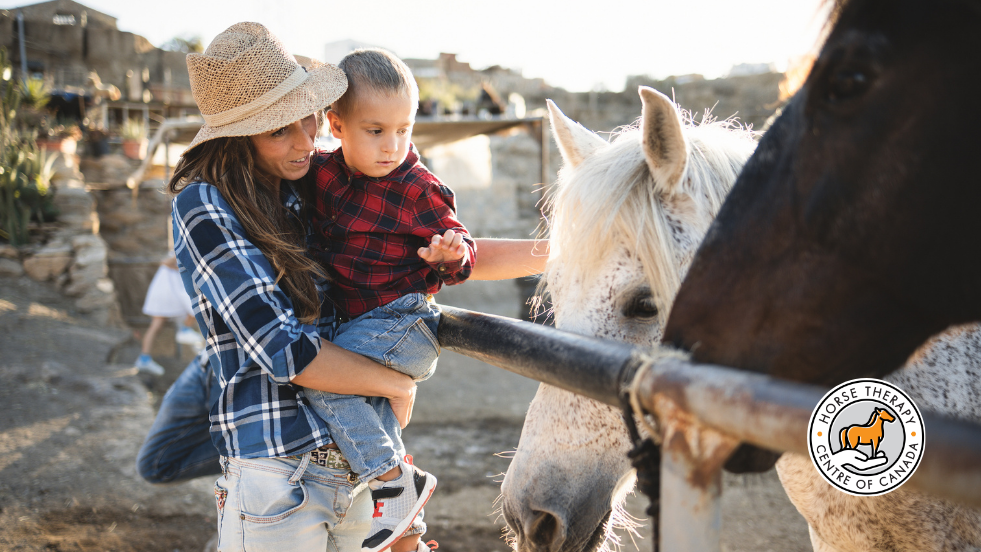
Many families want to better understand applied behaviour analysis for parents and how it can support their child’s learning. This approach helps parents notice how behaviour patterns develop and how simple guidance and consistency can encourage positive habits over time.
Encouraging Positive Behaviour
Parents may learn how to notice and reinforce helpful behaviours when their child is trying a new skill. This might include offering encouragement, acknowledging effort, or recognizing when a task has been completed successfully. Small moments of positive feedback can help children understand which behaviours are helpful and worth repeating.
Giving Clear and Simple Instructions
Parents can also learn how to give clear, simple instructions. Breaking tasks into smaller steps can make it easier for children to understand what they need to do. When directions are consistent and easy to follow, children often feel more confident completing the task.
Creating Predictable Daily Routines
Another helpful strategy is building predictable routines at home. Everyday activities such as getting ready for school, helping with small chores, or following a bedtime routine can become opportunities for children to practice responsibility, organization, and independence.
These aba techniques for parents can help daily routines feel calmer and more manageable while supporting a child’s development over time. At Horse Therapy Centre of Canada, families may also learn how these same strategies connect with farm-based activities, allowing children to practice communication, focus, and responsibility both during sessions and in everyday life.
8. Children Practice Real-Life Skills
Farm activities naturally involve small responsibilities that children can take part in during sessions. They may help prepare simple equipment, organize tools, or assist with basic tasks around the barn. While these activities may seem simple, they create opportunities for children to practice important everyday skills.
Through these experiences, children can learn to:
Follow instructions step by step
Wait patiently for their turn
Manage emotions during tasks
Complete responsibilities from start to finish
Practicing these skills during real activities can help children feel more capable and confident. At Horse Therapy Centre of Canada, farm routines are used to create opportunities for children to practice these real-life skills, while families may also learn aba techniques for parents that support learning outside the program.
9. Outdoor Environments Can Support Focus
Children often focus better when they have space to move and explore. Outdoor environments naturally allow for hands-on activities and sensory experiences that can support attention and engagement during therapy for kids. Instead of sitting still for long periods, children can stay active while learning. Simple activities like walking beside a horse, grooming, carrying small tools, or helping with basic farm tasks allow children to move their bodies while practicing skills such as listening, following instructions, and completing steps in order.
Being outdoors can also create a different learning atmosphere. The sounds of animals, open space, and fresh air can help some children feel calmer and more comfortable. When children feel less pressure and more freedom to move, they may find it easier to stay engaged and participate in activities.
Farm settings can also reduce some of the distractions children often experience indoors. Without crowded classrooms or constant noise, the environment can feel more predictable and relaxed. Interacting with animals and nature can help children settle into the activity and become more willing to try new tasks. Sullivan (2024) also found that interaction with horses can support responsibility, focus, and planning skills when activities are guided.
At Horse Therapy Centre of Canada, the outdoor farm environment is used as part of a structured learning experience where children practice skills through movement and real-life activities. Guided farm tasks and interactions with horses help children work on communication, focus, cooperation, and responsibility. Families may also learn helpful aba techniques for parents that support clear routines and positive behaviour at home, helping children continue practicing the same skills in their everyday lives.
10. Learning Happens Through Real Experiences
Farm-based therapy allows children to learn through meaningful, real-life experiences instead of only structured exercises in a classroom or therapy room. These experiences may also connect to aba for parents, helping families understand how everyday routines can support a child’s development. On a farm, simple activities naturally create learning opportunities. Children might help groom a horse, carry small amounts of feed, lead a horse with guidance, or assist with basic farm tasks. While doing these activities, they can practice communication, responsibility, patience, and emotional awareness in a setting that feels practical and engaging.
Because these activities are part of real farm routines, children often learn by doing rather than only listening or watching. For example, a child may practice listening to instructions, following steps in order, waiting their turn, or cooperating with others while completing a task. These everyday moments can support the development of focus, problem-solving, and self-regulation in a supportive environment.
Professionals often guide these experiences using behavioural learning approaches so that each activity supports development step by step. Tasks are introduced gradually, with clear instructions and consistent guidance so children understand what to do and feel successful as they complete each part. With repeated practice, children may become more confident while improving skills such as following directions, working with others, and managing emotions during activities.
Families may also learn about aba for parents and applied behaviour analysis for parents, which help explain how the same learning principles can be used at home. When parents understand how routines, clear expectations, and positive encouragement support learning, they can continue reinforcing these skills during daily activities. At Horse Therapy Centre of Canada, this combination of structured guidance and real farm experiences helps children practice important life skills in ways that feel natural and meaningful.
Frequently Asked Questions
What is farm-based therapy for kids?
Farm-based therapy for kids allows children to learn through hands-on activities instead of only sitting in a therapy room. Children may take part in simple farm tasks such as grooming a horse, organizing equipment, or helping with basic barn routines. These activities may look like everyday chores, but they are often guided by professionals so children can practice communication, focus, patience, and responsibility. At Horse Therapy Centre of Canada, these farm experiences are structured so children can learn skills while taking part in meaningful activities.
Does ABA therapy work in farm-based programs?
Many families ask does aba therapy work when exploring therapy options for their child. ABA focuses on helping children learn through clear instructions, repeated practice, and positive reinforcement. When these ideas are used in real-life environments, children can practice skills during everyday activities instead of only structured exercises. At Horse Therapy Centre of Canada, behavioural learning principles may be incorporated into farm routines so children can practice communication, focus, and cooperation while completing guided tasks.
What are parent ABA services?
Parent aba services help families understand the strategies used during therapy so they can support their child’s learning outside of sessions. Parents may learn how routines, clear instructions, and positive encouragement help children develop new skills over time. At Horse Therapy Centre of Canada, families may also see how these ideas connect with farm-based activities and how similar routines can be supported at home.
What is applied behaviour analysis for parents?
Applied behaviour analysis for parents helps families understand how behaviour patterns develop and how simple guidance can support learning. Parents may learn ways to notice progress, encourage helpful behaviours, and create routines that make daily activities easier for children. At Horse Therapy Centre of Canada, these principles may also be explained through farm activities where children practice communication, cooperation, and responsibility.
What are some helpful ABA techniques for parents?
Some aba techniques for parents include giving clear instructions, breaking tasks into smaller steps, and recognizing positive behaviour when children complete tasks successfully. Creating predictable routines at home can also help children understand what to expect each day. At Horse Therapy Centre of Canada, families may see how these same ideas are used during farm activities, allowing children to practice the same skills both during sessions and at home.
Why is ABA for parents important?
ABA for parents helps families understand how children learn and how consistent routines can support progress. When parents are familiar with the same strategies used during therapy, they can reinforce those skills in everyday life. At Horse Therapy Centre of Canada, this shared approach helps children practice communication, focus, and behaviour skills both during farm-based sessions and in their daily routines at home.
For More Information
If you would like to learn more about how horses and programs support growth and learning, you may find these Horse Therapy Centre of Canada articles helpful:
Fascinating Facts About Equine Therapy: Unveiling the Healing Power of Horses
The Unique Bond Between Therapists and Therapy Horses: How This Partnership Transforms Healing
Stress Management Through Equine-Assisted Therapy: A Natural Path to Calm and Balance
Finding Balance: How Equine-Assisted Therapy Promotes Personal Growth and Well-Being
These articles offer additional perspectives on how experiences with horses can support learning, emotional awareness, and personal development.
References
National Institute of Mental Health. (2023). Autism spectrum disorder. https://www.nimh.nih.gov/health/publications/autism-spectrum-disorder
Reichow, B., Barton, E. E., Boyd, B. A., & Hume, K. (2012). Early intensive behavioural intervention for young children with autism spectrum disorders. Cochrane Database of Systematic Reviews. https://doi.org/10.1002/14651858.CD009260.pub2
Xiao, N., et al. (2023). Effects of equine-assisted activities and therapies for individuals with autism spectrum disorder: A systematic review. https://pmc.ncbi.nlm.nih.gov/articles/PMC9915993/
Learn More About Therapy for Kids at Horse Therapy Centre of Canada
If you would like to learn more about therapy for kids in a farm-based setting, exploring structured programs can be a helpful next step. Programs offered through Horse Therapy Centre of Canada combine guided interaction with horses and everyday farm routines to create practical learning experiences for children.
These activities allow children to practice communication, focus, cooperation, and life skills while participating in meaningful tasks around the farm. Learning more about this approach can help families understand how farm environments may support a child’s development in a calm and supportive setting. If you would like more information about available programs, you can contact the team at Horse Therapy Centre of Canada to learn more about therapy options, program structure, and how families can get involved.