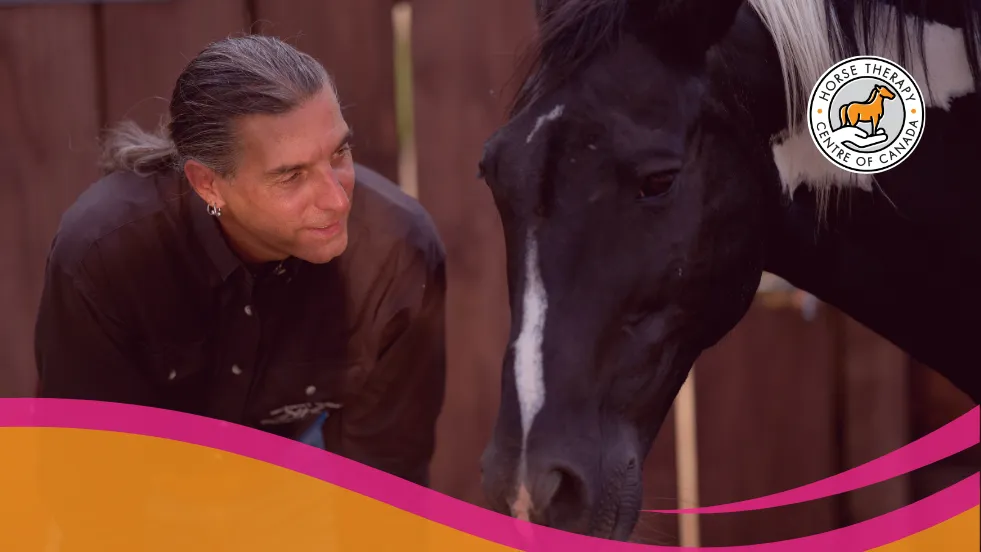
Equine Assisted Learning Turns Simple Activities With Horses Into Powerful Learning Experiences
The Basics of Equine Assisted Learning and Therapy
Spending time with horses can be more than a recreational activity. In structured programs, horses are part of learning and therapeutic environments that help people explore communication, behaviour, and emotional awareness. For someone new to equine assisted learning or equine assisted therapy, it can be difficult to picture what actually happens during a session.
At its core, this field focuses on structured interactions between people and horses. These experiences help participants better understand their emotions, communication style, and behaviour patterns. Instead of traditional talk-based settings, people learn through hands-on activities with horses in a calm outdoor environment.
Although these programs may look similar at first, they serve different purposes. Some focus on personal development, leadership, and communication skills. Others are guided by mental health professionals and are designed to support therapeutic goals.
Understanding the difference between equine assisted learning and equine assisted therapy can make it easier to choose the type of program that fits a person’s needs. This blog explains how these approaches work, what typically happens during sessions, and how they support learning and personal development in different ways.
What Is Equine Assisted Learning?
Equine assisted learning is an experiential learning approach that uses guided activities with horses to help people develop life skills. The focus is usually on communication, self-awareness, teamwork, and emotional understanding.
Unlike traditional classroom learning, participants learn through observation and interaction. Horses respond naturally to human body language and behaviour. This makes them effective partners for learning about boundaries, confidence, and communication.
How Learning Happens in Practice
In many equine assisted learning programs, participants work with horses in activities such as leading, grooming, or guiding the horse through simple tasks. These activities are carefully designed by trained facilitators.
Common learning goals include:
Developing awareness of nonverbal communication
Understanding emotional regulation
Improving teamwork and collaboration
Practicing leadership and decision-making
Building confidence through safe challenges
Because horses react honestly to human behaviour, participants receive immediate feedback. This helps people notice patterns in how they communicate or manage stress.
Equine assisted learning at Horse Therapy Centre of Canada provides a hands-on way to explore communication and personal growth in a supportive environment. The programs emphasize organized learning experiences rather than casual interaction with horses. Participants are guided by trained professionals with expertise in both horse behaviour and human learning, ensuring the activities are safe, purposeful, and meaningful.
What Is Equine Assisted Therapy?
While equine assisted learning focuses on skill development, equine assisted therapy is a clinical or therapeutic approach. These sessions are typically guided by licensed therapists or mental health professionals who incorporate horses into the therapeutic process. The goal is not just personal development but addressing emotional or psychological challenges.
Key Characteristics of Equine Assisted Therapy
In therapeutic settings, horses are part of a treatment process designed by qualified professionals. Activities may look similar to learning programs, but the intention and clinical guidance are different.
Examples of therapeutic goals include:
Managing anxiety or emotional regulation
Improving coping skills
Processing trauma in a supportive environment
Building trust and healthy relationships
Professional guidelines in animal-assisted interventions emphasize the importance of trained facilitators and clear ethical standards when animals are involved in therapeutic work (Fine, 2019). This ensures that both participants and animals are protected, and that the therapeutic benefits are delivered safely and responsibly.
Equine assisted therapy at Horse Therapy Centre of Canada is delivered in a safe and supportive environment. Sessions are designed so participants can connect with horses while working on personal growth, with careful guidance from experienced professionals. This thoughtful approach helps ensure both the participants and the horses are comfortable, supported, and able to get the most out of each experience.

The Key Differences Between Equine Assisted Learning and Therapy
Because both approaches involve working with horses and hands-on activities, it is easy to confuse them. At first glance, sessions in equine assisted learning and equine assisted therapy may look similar. Participants might be grooming a horse, leading it through an activity, or observing how the horse responds to their behaviour. However, the purpose of the program and the professionals involved make these two approaches different.
Understanding these differences helps people choose the type of program that fits their needs. Some individuals are looking for personal development or skill-building experiences. Others may be seeking support for emotional or behavioural challenges. The structure of each program reflects these different goals.
Purpose
The main difference between equine assisted learning and equine assisted therapy lies in the purpose of each program and the outcomes they aim to achieve. Equine assisted learning is focused on personal development and building practical life skills. These programs help participants strengthen communication, leadership, teamwork, and self-awareness, using carefully designed activities that encourage reflection and learning through interaction with the horse.
Equine assisted therapy, in contrast, is geared toward emotional or psychological support. Sessions are guided by specific therapeutic goals, which may address mental health conditions, trauma recovery, or behavioural challenges. In these programs, activities with horses are part of a structured therapeutic process that promotes emotional well-being, self-regulation, and personal growth. Both approaches use horses to create meaningful, hands-on learning experiences, but the focus and objectives differ depending on the participant’s needs.
Professional Involvement
Another key difference lies in who leads the sessions. Equine assisted learning programs are typically guided by trained facilitators, educators, or equine professionals who understand horse behaviour and experiential learning techniques. They focus on guiding participants through thoughtfully designed activities and discussions that support skill development and personal growth.
Equine assisted therapy programs, on the other hand, are led by licensed mental health professionals. These therapists integrate horses into treatment plans, helping participants explore emotional responses, relationships, and coping strategies that arise during interactions with the horse.
Having the right professional lead ensures that each program stays true to its purpose, whether building practical skills through equine assisted learning or supporting emotional and psychological well-being through equine assisted therapy.
Goals
Equine programs serve different purposes based on participant needs. Some focus on building practical life skills and personal growth, while others provide therapeutic support for emotional or psychological challenges. Knowing the goals of each approach helps families choose the one that fits best. In both cases, horses play an active role, but the focus and outcomes vary.
Equine Assisted Learning
In learning-focused programs, the emphasis is on developing practical life skills that participants can use in daily life. Activities are designed to help participants interact with horses while practicing social, emotional, and cognitive skills. Key focus areas often include:
Communication and listening skills: Improve how participants express themselves and understand others.
Teamwork and cooperation: Practice collaborating effectively in group settings.
Leadership and decision-making: Build confidence in making choices and guiding others.
Self-confidence and personal awareness: Develop a stronger sense of self and reflection on personal behaviour.
Equine Assisted Therapy
Therapy-focused programs prioritize emotional and psychological well-being. Sessions are guided by trained facilitators or licensed mental health professionals and aim to help participants navigate personal challenges safely. Goals often include:
Emotional regulation: Learn strategies to manage strong feelings like anger, frustration, or anxiety.
Trust and healthy relationships: Build positive interactions with others through guided exercises.
Coping strategies: Develop skills to handle stress, trauma, or challenging situations.
Behavioural or mental health challenges: Address specific concerns in a safe, guided setting
Even though both approaches involve interaction with horses, the intended outcomes differ. Learning-focused programs strengthen practical life skills and personal growth, while therapy-focused programs support emotional health and resilience. Each session is designed to provide guided experiences that help participants achieve their specific goals.
These differences help participants choose the type of program that fits their needs. Having a clear understanding of what each program offers can make the decision process easier and ensure expectations are realistic.
Certification programs at Horse Therapy Centre of Canada are thoughtfully designed with clear objectives, whether focused on skill-building or therapeutic support. Participants are provided with a clear understanding of the differences between the program types, ensuring they know what to expect before starting. Emphasizing well-structured programs, professional guidance, and the well-being of both participants and horses, this approach fosters clarity and confidence. This structure helps participants feel comfortable as they engage in horse-assisted activities and experiences.
What Happens During Equine Assisted Learning and Therapy Sessions?
People sometimes imagine horseback riding when they hear about equine assisted learning programs or therapy sessions. In reality, many activities take place on the ground rather than in the saddle. Ground-based work allows participants to focus on observation, communication, and emotional awareness.
Both equine assisted learning and equine assisted therapy involve guided activities with horses. These activities help participants notice how their behaviour, communication style, and emotions influence the interaction with the horse. Horses respond to subtle cues such as posture, tone, and movement, which makes them effective partners in experiential learning and therapeutic settings.
While the activities may look similar in both approaches, the purpose behind them is different. Learning programs focus on skill development and personal growth, while therapy sessions focus on emotional support and therapeutic progress.
Common Activities in Sessions
Participants may take part in activities such as:
Leading a horse through a simple obstacle course
Grooming while observing the horse’s behaviour
Practicing clear body language and communication
Working individually or in small groups to complete tasks with the horse
In learning-focused programs, facilitators guide participants to reflect on leadership, teamwork, and communication skills. In therapy sessions, licensed professionals help participants explore emotional responses, trust, and coping strategies that arise during the interaction.
These moments often lead to meaningful reflection. Facilitators or therapists may ask participants what they noticed about their reactions, communication style, or emotional state during the activity. Programs that involve animals in learning or therapeutic settings are most effective when activities are structured and guided by trained professionals (Masini, 2010).
Every sessions of equine assisted learning and therapy at Horse Therapy Centre of Canada are designed to provide hands-on, guided experiences with horses in a safe and supportive environment. Participants engage in activities that encourage reflection on communication, behaviour, and emotions, whether the focus is on skill-building or therapeutic growth. Each session is carefully facilitated to connect the interaction with the horse to real-life insights, helping participants practice self-awareness, emotional regulation, and interpersonal skills while ensuring the well-being of both the participants and the horses.

Horses Support Emotional Awareness
Horses are highly observant animals. They naturally notice small changes in posture, movement, and emotional energy. Because of this sensitivity, they often react quickly to human behaviour.
In both learning and therapy settings, this responsiveness helps participants become more aware of how their emotions influence their actions. When a person feels tense, uncertain, or confident, the horse may respond differently. These reactions provide immediate feedback that can be discussed and reflected upon during the session. This process helps participants recognize patterns in their behaviour and communication.
Why Horses Are Effective Partners in Learning and Therapy
Several characteristics make horses well-suited for these programs:
They respond honestly to human behaviour
They rely heavily on body language for communication
They live in social groups and understand boundaries
They react to consistency and calm behaviour
These traits allow participants to see how their actions influence the horse’s response. The experience can help people become more aware of how they communicate and manage emotions. A review of equine-facilitated programs notes that horses often provide clear, immediate feedback that encourages participants to reflect on their behaviour and emotional state (Bachi, 2012).
Facilitators and therapists at Horse Therapy Centre of Canada guide participants in understanding these interactions in practical and easy-to-grasp ways. The focus is on helping participants notice patterns in behaviour without overanalyzing every detail. Horses are treated as partners in the learning process rather than as tools, creating a respectful environment that supports both participant growth and the well-being of the horses involved in the programs.
Certification in Equine Assisted Learning and Therapy
As interest in horse-based programs continues to grow, more professionals are exploring training opportunities such as equine assisted learning certification or equine assisted therapy certification.
Certification programs help ensure that facilitators and therapists have the knowledge needed to guide participants safely and responsibly. These programs often combine education in horse behaviour with training in facilitation skills and ethical practices.
What Certification Programs Typically Cover
Training programs in this field often include topics such as:
Understanding horse behaviour and welfare
Safety guidelines for working with participants and horses
Designing structured learning or therapeutic activities
Ethical standards in animal-assisted programs
Communication and reflection techniques
These areas of study help professionals create environments where both participants and horses are supported. For individuals interested in working in this field, programs such as equine assisted therapy certification or equine assisted learning certification provide a foundation for developing the necessary skills.
Professional development is a key component of maintaining high standards in equine-based programs at Horse Therapy Centre of Canada. HTCC emphasizes continued learning and provides certification opportunities for those pursuing a career in the field. Training programs are designed to build knowledge of both human development and responsible horse care. This commitment to education helps ensure that all sessions remain safe, effective, and meaningful for participants.
Bringing Learning and Therapy Together Through Horses
Understanding the difference between equine assisted learning and equine assisted therapy can make horse-based programs easier to explore. While both approaches involve structured activities with horses, their goals are different. Learning programs focus on personal development and skill building, while therapy programs support emotional and psychological well-being.
Both approaches rely on trained professionals, carefully designed activities, and a strong focus on safety and animal welfare. Horses provide a unique environment where people can observe their communication, behaviour, and emotional responses in real time.
At Horse Therapy Centre of Canada, programs are designed to help participants experience these interactions in a thoughtful and structured setting. Both learning and therapy programs are delivered in a clear, responsible, and supportive environment.
Choosing the Right Program for Your Needs
When exploring horse-based programs, it is helpful to first consider your goals. Some individuals are interested in personal growth, communication skills, or leadership development. Others may be seeking emotional support through therapy.
Understanding these goals can make it easier to choose between learning programs and therapy-based programs.
Questions to Consider
Before joining a program, it may help to ask questions such as:
Are you looking for personal development or therapeutic support?
Will a licensed therapist be involved in the sessions?
What types of activities are included in the program?
How are horses trained and cared for in the environment?
Programs that clearly explain their structure, goals, and professional involvement tend to provide a more transparent and supportive experience.
Individuals are encouraged to learn about the different program options before enrolling at Horse Therapy Centre of Canada. The staff takes time to explain how equine-assisted learning programs and therapy sessions differ. Through this process, participants are guided to choose the approach that best aligns with their needs and expectations. Clear communication is valued as an essential part of building trust and helping individuals feel comfortable as they begin the process.
Frequently Asked Questions
What is equine assisted learning?
Equine assisted learning is an experiential approach where participants work with horses in structured activities designed to develop communication, teamwork, leadership, and self-awareness. The focus is on personal development rather than clinical treatment. Programs at Horse Therapy Centre of Canada provide guided experiences that help participants practice these skills in a safe and supportive environment, connecting lessons from the interaction with horses to everyday life.
How is equine assisted learning different from equine assisted therapy?
Equine assisted learning focuses on education and skill development, helping participants improve practical life skills and self-awareness. Equine assisted therapy, on the other hand, is guided by licensed mental health professionals and is designed to support emotional or psychological goals through structured interaction with horses. Horse Therapy Centre of Canada offers both types of programs, ensuring participants can select the approach that best aligns with their personal or therapeutic goals.
Do equine assisted learning and therapy programs involve horseback riding?
Many sessions focus on ground-based activities rather than riding. Participants may lead, groom, or observe horses while completing guided exercises that encourage reflection, communication, and emotional awareness. Horse Therapy Centre of Canada incorporates these hands-on activities to provide meaningful opportunities for participants to learn from horses without the need for riding experience.
What is included in equine assisted therapy certification?
Equine assisted therapy certification programs usually include training in horse behaviour, participant safety, ethical practices, facilitation skills, and the foundations of animal-assisted interventions. At Horse Therapy Centre of Canada, these certification programs prepare participants to guide sessions confidently and responsibly, combining practical experience with professional knowledge.
Who can benefit from equine assisted learning or therapy programs?
These programs may benefit individuals seeking to improve communication skills, build confidence, explore personal development, or receive therapeutic support in a structured environment with horses. Horse Therapy Centre of Canada provides programs suitable for a wide range of participants, offering guided exercises and reflection opportunities to support growth, learning, and emotional development.
For More Information
If you would like to explore more topics related to horse-based learning and therapy, these articles may be helpful:
Transform Your Career: The Path to Equine-Assisted Therapy Certification
Unlocking Career Opportunities: Pathways to Certification in Equine-Assisted Therapy
Thriving Careers in Equine-Assisted Therapy: Opportunities in a Growing Field
These articles provide additional insights into how horses are involved in learning, therapy, and professional training.
References
Bachi, K. (2012). Equine-facilitated psychotherapy: The gap between practice and knowledge. Society & Animals, 20(4), 364–380. https://doi.org/10.1163/15685306-12341242
Fine, A. H. (Ed.). (2019). Handbook on animal-assisted therapy: Foundations and guidelines for animal-assisted interventions (5th ed.). Academic Press. https://www.sciencedirect.com/book/9780128153956/handbook-on-animal-assisted-therapy
Masini, A. (2010). Equine-assisted psychotherapy in clinical practice. Journal of Psychosocial Nursing and Mental Health Services, 48(10), 30–34. https://doi.org/10.3928/02793695-20100831-08
Considering Equine Assisted Learning or Therapy Programs?
People often begin exploring equine assisted learning or equine assisted therapy because they are looking for new ways to support personal growth, emotional awareness, or professional development. Understanding how these programs are structured can help you decide whether this type of experience aligns with your goals.
Horse Therapy Centre of Canada offers guidance on program structure, safety measures, and how equine assisted learning and therapy sessions are led by trained professionals. For more information on available programs or professional training opportunities, interested individuals can reach out directly to Horse Therapy Centre of Canada.