
Therapy With Horses: Safety Protocols for Effective Sessions
Building Safe Sessions in Therapy with Horses
Therapy with horses helps people grow emotionally, develop new skills, and gain self-awareness. In these programs, participants learn through experiential therapy and hands-on activities that build communication, focus, and emotional regulation.
Horses are very sensitive to human behaviour. They notice body language, tone of voice, and mood changes. This makes equine assisted therapy and equine assisted psychotherapy effective because participants can see how their actions affect both the horses and themselves.
Working with horses requires careful planning. Even calm, trained therapy horses are large animals that must be handled safely. Clear safety rules create a predictable environment and allow participants to engage with confidence.
In this blog, the importance of strong safety protocols in therapy with horses is explained. It also highlights how proper screening, trained staff, and consistent routines provide the structure participants need to feel safe while actively participating in the program.
Why Safety Protocols Matter in Therapy with Horses
Safety is the foundation of any program that works with horses. Without clear rules, sessions can feel unpredictable for both participants and the horses.
Horses are very aware of people’s movements, tone of voice, and emotions. This is part of what makes equine assisted therapy so effective; they respond honestly to what’s happening. But it also means the environment needs to be calm, organized, and consistent. Safety rules help create that calm and predictable space.
What Safety Protocols Do
Clear safety protocols are essential in any session involving horses. They create a controlled environment where participants can focus on learning without unnecessary risk. Proper safety measures ensure that everyone knows what to expect, which helps build confidence and trust during activities.
Clear safety practices help:
Keep participants and staff protected
Keep the therapy horse relaxed and comfortable
Make each session predictable and structured
Reduce confusion during activities
Support a stable space for learning
When participants understand how the session works, they feel more confident. That confidence helps them focus and get more out of equine assisted psychotherapy and other horse-based activities.
At Horse Therapy Centre of Canada, every session follows clear safety steps. This makes the environment calm and predictable, giving participants the chance to engage fully while keeping both people and horses safe.
How Safety Helps Participants Feel Comfortable and Engage
Working with horses is new for many participants, and some may feel nervous at first. Clear safety rules and trained staff help reduce worry and make it easier to focus. Knowing the therapy horse is prepared and what will happen during the session builds trust and confidence.
Why Feeling Safe Matters
When participants feel safe, they are more likely to approach the horse calmly, try new activities, pay attention, and reflect on what they are learning. Feeling secure is key because experiential therapy works best when participants actively participate.
How Consistency Helps
Predictable routines make sessions feel stable. Safety reminders, step-by-step activities, and staff guidance help participants know what to expect. Over time, this consistency builds confidence and allows participants to focus on the horse and the skills being practiced
Programs follow clear rules and a simple plan so participants feel safe and supported. At Horse Therapy Centre of Canada, this approach helps everyone get the most out of therapy with horses and stay engaged throughout each session.
Screening and Preparation Before Therapy With Horses
Preparation is key to keeping therapy with horses safe and effective. Before participants work with a horse, staff learn about their needs and explain how the program works. This helps reduce anxiety and ensures activities are safe and appropriate.
Why Screening Matters
Screening is an important first step in therapy with horses. It helps ensure that each participant’s experience is safe, supportive, and effective. By understanding individual needs and abilities, sessions can be tailored so everyone can participate comfortably and confidently.
Screening gives staff important information, such as:
Comfort level around animals
Previous horse experience
Physical or health considerations
Personal goals for the program
This information allows staff to plan sessions that are both safe and meaningful. With proper screening, participants can fully engage, build skills, and gain the most from their therapy with horses.
Learning Basic Safety Skills
Before working with a therapy horse, participants learn simple safety practices to stay safe and build confidence. These include:
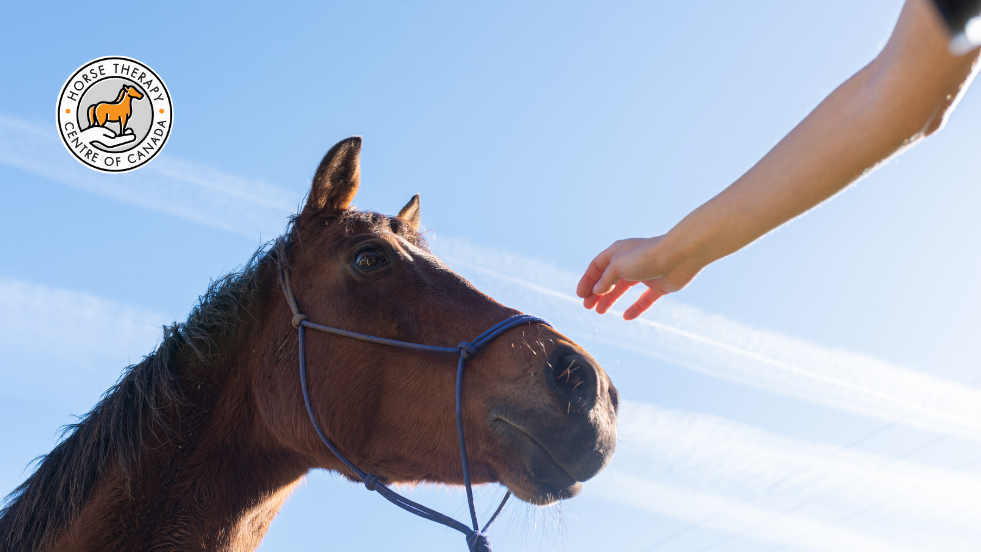
How to approach a horse calmly
Where to stand when interacting
How to move safely in the arena or stable
How to recognize basic horse behaviour
These first steps are part of experiential therapy, where learning begins through observation and small, hands-on interactions with horses. This foundation helps participants feel prepared and confident for more advanced activities.
Preparation is a key part of every program at Horse Therapy Centre of Canada. Participants are introduced to the environment and safety rules before activities begin, helping them feel confident and ready for therapy with horses.
The Role of Trained Professionals
Having trained staff is important in therapy with horses. Horses communicate mostly through body language, and small movements or changes in posture can affect how they respond. Professionals who understand these signals help ensure interactions between participants and horses are safe and positive.
Professionals Involved in Equine Programs
Equine-assisted therapy relies on a team of trained professionals to ensure sessions are safe, effective, and meaningful. Each team member brings unique expertise to support participants and the therapy horse.
A typical equine assisted therapy team may include:
Mental health professionals trained in equine assisted psychotherapy
Behavioural specialists or therapists
Horse handlers with experience in equine care
Program facilitators who guide activities
Together, these professionals create a structured and supportive environment. Their combined skills allow participants to safely practice new behaviours, build emotional awareness, and benefit fully from therapy with horses.
How Staff Support Each Session
During equine-assisted therapy sessions, trained professionals play an important role in guiding both participants and horses. Their support ensures that activities are safe, effective, and engaging.
During sessions, trained professionals:
Watch both the participant and the horse
Give clear instructions for activities
Adjust tasks when needed
Help participants reflect on their experiences
This guidance helps keep sessions calm, focused, and meaningful, allowing participants to build skills, confidence, and emotional awareness while interacting with horses.
Trained staff guide participants throughout each session to ensure safety and support. At Horse Therapy Centre of Canada, they monitor both the horse and the participant, creating a calm and stable environment. This careful supervision helps therapy with horses be safe, effective, and meaningful. Participants can focus on learning new skills and building confidence while knowing the setting is well-managed.
Choosing the Right Therapy Horse
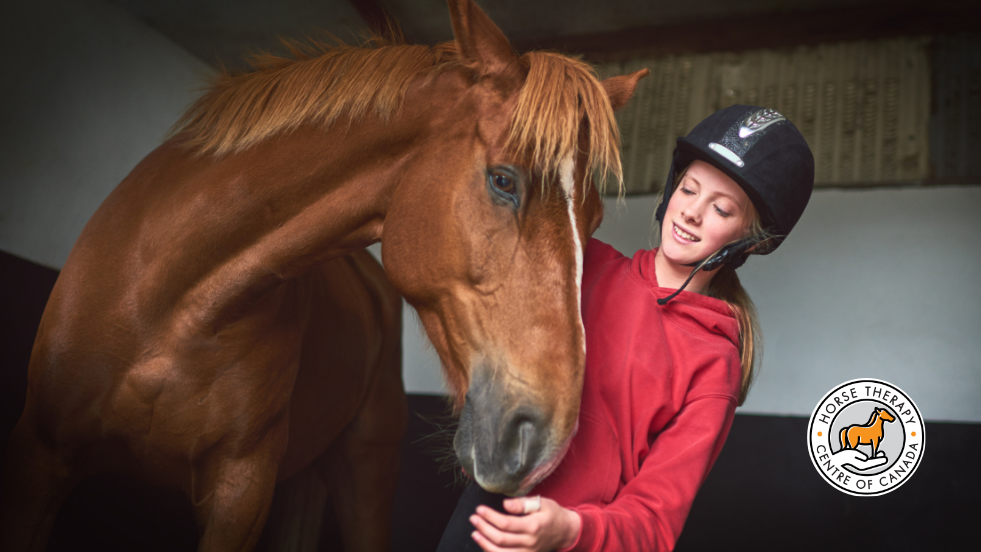
Not every horse is suited for therapy with horses. Programs choose calm, reliable horses to keep participants safe and create positive experiences. A good therapy horse stays relaxed around people and during activities. These horses can handle different situations calmly and give participants consistent feedback, which helps make learning more effective and enjoyable.
Traits of a Good Therapy Horse
A good therapy horse has qualities that make sessions safe and effective for participants. They usually have:
Calm and predictable behaviour
Comfort around unfamiliar people
Patience during grooming and handling
Ability to stay relaxed in different environments
Training helps therapy horses get used to the activities and routines of each session, ensuring they can respond consistently and support participants’ learning.
Caring for Therapy Horses
Taking care of the horse is just as important as participant safety. Horses in therapeutic programs need proper care and rest. Professional guidelines emphasize protecting the well-being of animals in therapy settings (International Association of Human–Animal Interaction Organizations, 2014).
This includes:
Regular veterinary care: check-ups and vaccinations to prevent illness
Healthy living conditions: clean stalls, fresh water, and appropriate nutrition
Time to rest between sessions: scheduling breaks so the horse is not overworked
At Horse Therapy Centre of Canada, horses are carefully chosen for therapeutic work. Ensuring the health and comfort of each therapy horse helps create safe, consistent, and effective therapy with horses sessions.
What a Typical Therapy With Horses Session Looks Like
Most therapy with horses sessions follow a clear and predictable structure. This helps participants feel comfortable and keeps the horse calm. Having a consistent routine also supports learning and allows participants to focus on the skills being practiced.
1: Safety Review
Sessions usually start with a brief reminder of safety rules. Participants review how to move around the horse and how to interact calmly, setting the tone for a safe session. For example, a facilitator might demonstrate the proper way to approach a horse’s side, and participants practice it one at a time while the horse remains relaxed, reinforcing safe habits before beginning other activities.
2: Ground-Based Activities
Many equine-assisted therapy programs focus on groundwork rather than riding. Common activities include:
Grooming the horse: helps participants learn care routines and develop patience.
Leading the horse with guidance: encourages communication and focus.
Simple teamwork exercises: supports cooperation and problem-solving.
Observing the horse’s behaviour: builds awareness and emotional understanding.
These activities help participants build communication skills, focus, and awareness while interacting safely with the horse.
3: Reflection
After the activity, participants often discuss what they noticed. Reflection may include:
How the horse responded to their actions
What emotions did they experienced
What they learned from the interaction
Reflection is a key part of experiential therapy, where learning comes through direct experience. Studies show that structured interactions with animals can support emotional well-being when sessions are carefully supervised (Kamioka et al., 2014).
At Horse Therapy Centre of Canada, sessions are carefully structured to support both safety and learning. Activities are guided step by step by trained staff, helping participants engage fully while maintaining safe and effective therapy with horses sessions.
Understanding the Equine Therapy Benefits
Many people are curious about the benefits of therapy with horses. These benefits usually develop gradually through regular participation in sessions. Because horses respond directly to human behaviour, participants often become more aware of their own actions and emotions.
Common Equine Therapy Benefits
Participants may notice:
Increased emotional awareness
Improved communication skills
Greater confidence
Better patience and focus
These changes usually happen over time, with repeated sessions and consistent practice.
How Safety Supports These Benefits
Safety is an important part of achieving these benefits. When the environment is calm and predictable, participants can focus on the experience instead of worrying about safety. Guidelines for animal-assisted programs also highlight the importance of supervision, hygiene, and risk management when animals are involved (Lefebvre et al., 2008).
At Horse Therapy Centre of Canada, all sessions follow structured safety procedures. These practices ensure that participants can explore the potential equine therapy benefits while interacting safely and confidently with the horses.
Safety Creates the Stability Clients Need
For therapy with horses to be effective, participants need to feel safe and supported. Clear safety rules provide the stability needed for meaningful interaction with the horse and the activities.
When participants trust the environment, they are more willing to join in, try new things, and reflect on their experiences.
How Safety Helps
Safety protocols create:
A calm environment
Clear expectations for participants
Consistent session routines
Professional supervision
These elements make it possible for participants and horses to interact in ways that support learning, focus, and personal growth.
Programs at Horse Therapy Centre of Canada are built around this organized approach. Clear rules and trained staff ensure that therapy with horses is safe and effective for everyone involved. This gives participants confidence to engage fully, knowing both they and the horses are well cared for.
FAQs About Therapy with Horses
What is therapy with horses?
Therapy with horses is a structured program where people interact with horses to learn skills or work on personal growth. It includes approaches like equine assisted therapy, equine assisted psychotherapy, or other types of experiential therapy. Participants practice skills such as communication, emotional awareness, and teamwork while engaging with the horses. Programs at Horse Therapy Centre of Canada follow this approach to ensure sessions are meaningful and guided by trained professionals.
Is therapy with horses safe?
Yes, therapy with horses is safe when programs follow clear safety rules. Sessions are run by trained staff, use structured procedures, and include carefully selected therapy horses. At Horse Therapy Centre of Canada, safety protocols and staff supervision are key parts of every session to protect both participants and horses.
What are common equine therapy benefits?
Participants often see improvements in communication, emotional awareness, and confidence. These equine therapy benefits usually develop over time with repeated guided sessions. Working with horses also helps participants practice patience, focus, and cooperation in real situations. At Horse Therapy Centre of Canada, programs are designed to support these outcomes through structured activities and reflection.
Do participants need horse experience?
No prior horse experience is required to participate. Programs usually begin with orientation and safety guidance to help participants feel comfortable. Learning starts gradually, allowing participants to build confidence while interacting with the horses. Horse Therapy Centre of Canada ensures each session introduces skills step by step so participants can progress safely regardless of prior experience.
For More Information
You may also find these blogs helpful:
Empowering Neurodiverse Individuals Through Equine-Assisted Therapy
Empowering Self-Worth: Building Confidence Through Equine-Assisted Therapy
Strengthening the Mind-Body Connection Through Equine-Assisted Therapy
These blogs provide additional context about structured equine-based programming at Horse Therapy Centre of Canada.
References
International Association of Human–Animal Interaction Organizations. (2014). The IAHAIO white paper: Definitions for animal-assisted intervention and guidelines for wellness of animals involved. https://iahaio.org/wp/wp-content/uploads/2017/05/iahaio-white-paper-final-nov-24-2014.pdf
Kamioka, H., Okada, S., Tsutani, K., Park, H., Okuizumi, H., Handa, S., Oshio, T., Park, S. J., Kitayuguchi, J., Abe, T., & Honda, T. (2014). Effectiveness of animal-assisted therapy: A systematic review of randomized controlled trials. Complementary Therapies in Medicine, 22(2), 371–390. https://doi.org/10.1016/j.ctim.2013.12.016
Lefebvre, S. L., Golab, G. C., Christensen, E. L., Castrodale, L., Aureden, K., Bialachowski, A., Gumley, N., Robinson, J., Peregrine, A., Benoit, M., & Weese, J. S. (2008). Guidelines for animal-assisted interventions in health care facilities. American Journal of Infection Control, 36(2), 78–85. https://doi.org/10.1016/j.ajic.2007.09.005
Considering Equine-Assisted Therapy?
If you want to learn more about therapy with horses, it helps to see how programs handle safety, preparation, and participant support. Understanding how sessions are run gives a clear picture of what to expect and how experiential work with horses is guided in a safe and thoughtful way.
Horse Therapy Centre of Canada shares details about how their equine-based programs are organized and how participants are introduced to this type of therapy. For more information about equine assisted therapy or to explore available programs, you can contact HTCC directly to ask questions and get guidance on next steps.