7 Reasons Therapy Camp Makes Fun and Growth Work Together
Why Meaningful Learning Can Happen at a Therapy Camp
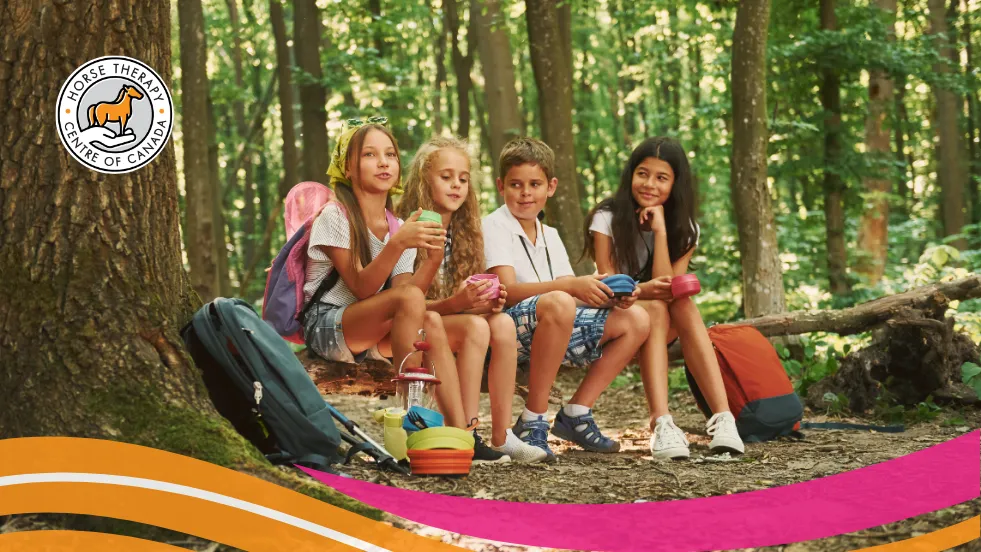
At first, a camp might not seem like a place for therapy. People often think of outdoor activities, group games, or spending time with animals. Because of this, it’s natural to wonder how real learning fits into a camp experience.
In fact, camps can provide very practical opportunities for learning. When participants work together on activities, solve problems as a group, or interact with horses, they practice important skills like communication, patience, and teamwork. These skills are learned through real experiences, not just talking about them.
With clear goals and supportive guidance, everyday camp activities can turn into valuable learning moments. In this blog, seven ways a well-designed therapy camp helps participants have fun while developing important life skills are explained.
1. Activities Are Designed With a Clear Purpose
Activities at a therapy camp aren’t random. Each one is planned with a specific goal in mind. While they may feel like regular camp experiences, the activities are structured to help participants learn important skills.
For example, a team challenge might focus on communication. A horse-related activity could encourage patience and emotional awareness. Outdoor tasks might help participants practice problem-solving. Many participants learn these skills without even realising they are in a therapy session.
Examples of Purposeful Activities
Team challenges that encourage cooperation
Guided interactions with horses
Outdoor problem-solving tasks
Group activities that support communication
Because the activities are engaging, participants are often more willing to join in and try new things. Camp programs have been shown to help build independence, confidence, and social skills when activities are thoughtfully planned (Thurber et al., 2007).
Activities are planned carefully to support emotional and social growth while still keeping the experience engaging. At Horse Therapy Centre of Canada, participants are guided in a supportive way so they can focus on learning without feeling pressured. The goal is to create a therapy camp environment that is both structured and meaningful.
2. A Supportive Environment Encourages Participation
Participants learn best when they feel safe and comfortable. A therapy camp is designed to reduce pressure while still offering guidance and support. Many therapy summer camps take place outdoors or on farms, which can help participants feel calmer compared to traditional therapy settings.
Predictable routines and attentive staff also help participants feel confident and ready to take part in activities.
Features of a Supportive Environment
Clear daily schedules
Consistent routines
Staff who guide without pressuring
Time to talk about experiences
When participants feel supported, they are more willing to join in and try new things. Studies show that supportive relationships and consistent routines lead to positive outcomes in camp programs (Garst et al., 2011).
At Horse Therapy Centre of Canada, creating a supportive environment is a top priority. Programs are structured to help participants feel comfortable and understood. Staff work closely with each participant to make sure activities are manageable and enjoyable, helping make every therapy summer camp experience both meaningful and positive.
3. Learning Happens Through Real Experiences
A key part of a therapy camp is learning by doing, also called experiential learning. Participants don’t just talk about communication or teamwork; they practice these skills through real activities.
For example, completing a group challenge requires listening and cooperating with others. Working with horses encourages patience and awareness of how their actions affect another being.
Why Experiential Learning Works
Skills are practiced in real situations
Participants can see the results of their actions
Learning is easier to remember
Confidence grows through successful experiences
Hands-on learning helps participants take what they practice at camp and use it in everyday life.
At Horse Therapy Centre of Canada, experiential learning is part of every therapy camp program. Participants engage in activities that require focus, cooperation, and communication. Working with horses provides immediate feedback, helping participants understand their behaviour. These experiences support practical learning that goes beyond the camp itself.
4. Clear Goals Keep the Program Meaningful
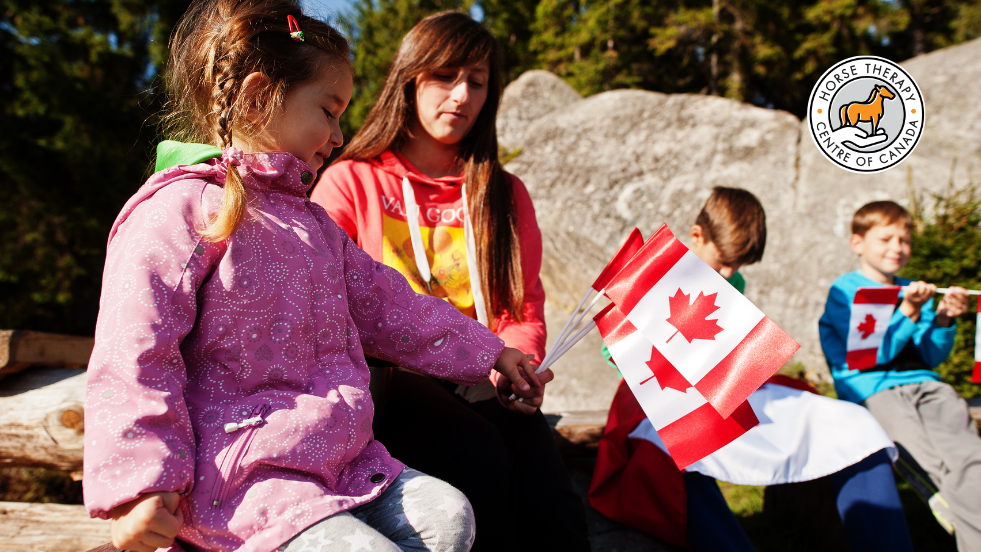
Even though camp activities feel fun and relaxed, effective therapy summer camps always include clear goals. Goals help guide the program and make sure activities support real development.
Goals might focus on skills like communication, emotional regulation, confidence, or independence. The focus isn’t on quick results but on steady progress through practice and repetition.
Examples of Common Developmental Goals
Improving communication skills
Building confidence
Practising emotional regulation
Developing patience and focus
Having clear goals helps participants understand what they are working toward.
At Horse Therapy Centre of Canada, every therapy camp program is carefully planned with goals in mind. Activities are designed so participants can practice important skills throughout the day. Staff provide guidance while allowing participants to learn at their own pace. This approach helps make the camp both engaging and meaningful.
5. Peer Interaction Builds Social Confidence
One of the key benefits of therapy summer camps is the chance to interact with peers. Many participants find it easier to practice social skills in a group where everyone is learning together.
At camp, participants may work together on activities, help each other solve problems, or share responsibilities.
Social Skills Practiced at Camp
Listening to others
Taking turns
Working as part of a team
Handling disagreements respectfully
These group interactions help participants build communication and cooperation skills. Studies have shown that peer interaction in therapeutic recreation settings can improve social confidence and relationships (Yang, 2022).
At Horse Therapy Centre of Canada, group activities are an important part of therapy camp programs. Staff guide participants to practice social skills in positive ways. The goal is to help participants feel comfortable with others while learning new skills, encouraging supportive peer relationships and healthy communication.
6. Horses Provide Honest and Immediate Feedback
Many therapeutic summer camps include activities with animals, and horses are especially helpful. Horses respond clearly to human behaviour, noticing body language, tone of voice, and emotions. This gives participants immediate feedback on how their actions affect another being.
Benefits of Working With Horses
Encourages calm behaviour
Builds patience and focus
Supports emotional awareness
Boosts confidence through learning new skills
These interactions help participants understand how their actions influence others in real time.
At Horse Therapy Centre of Canada, equine-assisted activities are part of therapy camp programs. Participants practice guided exercises with horses that focus on communication, self-awareness, and emotional regulation. All activities are supervised by trained staff to ensure safety. Through these experiences, Horse Therapy Centre of Canada helps participants gain confidence and understand themselves better.

7. Enjoyment Increases Motivation to Participate
Having fun is an important part of learning. When participants enjoy activities, they are more likely to stay involved and focused. A therapy camp provides a relaxed, positive environment where learning can happen naturally.
Participants often become more motivated to take part in activities when the experience feels enjoyable.
How Enjoyment Supports Learning
Participants stay engaged longer
Activities feel less stressful
Confidence grows through positive experiences
Skills are practiced more often
Fun doesn’t replace a clear plan. Instead, it helps create an environment where learning feels more natural and
less stressful. When participants enjoy the activity, they are often more willing to try new things and stay engaged. This makes it easier for them to practice skills and build confidence during the session.
Activities at Horse Therapy Centre of Canada are designed to keep participants engaged while still working toward clear learning goals. Horses, outdoor experiences, and group activities help create a positive and supportive atmosphere. This balanced approach allows participants to build new skills, grow in confidence, and enjoy their time at the therapy camp.
Supportive Relationships Strengthen the Experience
Building positive relationships with staff and mentors is an important part of a therapeutic summer camp. Supportive relationships help participants feel understood, safe, and encouraged throughout the program. Staff guide participants through challenges, provide helpful feedback, and celebrate small successes along the way.
How Supportive Relationships Help
Participants feel more confident asking for help
Trust develops over time
Feedback is easier to accept
Learning feels supportive rather than stressful
These relationships make it easier for participants to practice new skills and try activities they might not attempt on their own.
At Horse Therapy Centre of Canada, staff focus on creating strong, supportive connections with participants. They guide each activity carefully to ensure a respectful and encouraging environment. This approach helps participants feel safe, supported, and confident, building resilience and personal growth throughout the therapy camp experience.
Who Can Benefit from a Therapeutic Camp
A therapeutic camp helps children, teens, and sometimes adults build skills like communication, confidence, and emotional awareness in a relaxed, supportive setting. Participants learn by doing through teamwork, problem-solving, and working with others.
Who Might Benefit
Children needing help with communication or social skills
Teens building confidence and emotional awareness
People who learn best through hands-on activities
Participants who enjoy outdoor or animal-assisted programs
Camps at Horse Therapy Centre of Canada combine guided equine activities with small group settings to help participants develop patience, cooperation, and communication skills in a safe and supportive environment. The goal is for learning to be meaningful, engaging, and enjoyable.
What a Therapeutic Summer Camp Looks Like at Horse Therapy Centre of Canada
A therapeutic camp works best when activities are structured and led by trained professionals. At Horse Therapy Centre of Canada, programs combine equine-assisted activities, outdoor experiences, and small group sessions on a calm farm.
The goal isn’t just to provide a fun camp. Every activity is designed to help participants practice important skills like communication, emotional awareness, and teamwork. Participants spend time interacting with horses and taking part in guided group activities, creating real situations where patience, focus, and cooperation are needed.
What Participants Can Expect
Hands-on time with horses, including grooming and groundwork exercises
Daily equine-assisted activities guided by trained therapists
Outdoor farm experiences and nature-based activities
Creative projects such as art, storytelling, and sensory play
Small group settings that support social skill development
These activities help participants build confidence, develop emotional regulation, and stay engaged throughout the day. The camp typically runs full days with structured sessions, giving participants multiple opportunities to practice skills in different settings.
At Horse Therapy Centre of Canada, camps are organised in small groups so each participant receives guidance and support. Staff help participants reflect on their experiences and encourage positive interactions with peers and horses. This structured yet engaging approach allows the camp to support real learning while still feeling like a positive, enjoyable experience. Programs are carefully designed to combine therapeutic goals with hands-on learning in a safe, supportive farm environment.
FAQs About Therapy Camp
What is a therapy camp?
A therapy camp is a structured program that combines therapeutic goals with camp-style activities. At Horse Therapy Centre of Canada, participants take part in guided experiences designed to support emotional, social, or behavioural development. The environment is supportive and helps participants practice important life skills while feeling safe and encouraged.
How are therapy summer camps different from regular camps?
Regular camps mainly focus on recreation and outdoor activities. At Horse Therapy Centre of Canada, therapy summer camps include structured experiences led by trained professionals. Activities are designed to help participants practice skills such as communication, emotional regulation, and teamwork while still enjoying camp-style fun.
What happens during a therapeutic summer camp day?
A typical day at a therapeutic summer camp at Horse Therapy Centre of Canada may include group activities, outdoor experiences, and guided exercises. Many sessions also involve equine-assisted activities with horses. These experiences allow participants to practice communication, cooperation, and focus in real-life, hands-on situations.
Are therapy camps only focused on fun?
No. While therapeutic summer camps at Horse Therapy Centre of Canada are enjoyable, the camps are planned around clear developmental goals. Participants practice skills such as communication, teamwork, and emotional awareness, with the camp setting making learning feel more natural and engaging.
For More Information
If you would like to learn more about equine-assisted therapy and related programs, these Horse Therapy Centre of Canada articles may be helpful:
Healing Journeys: The Power of Equine-Assisted Therapy in Retreats
Bridging the Gap: Enhancing Teen Communication Skills with Equine-Assisted Therapy
Effective Parenting Tips: Raising Happy and Healthy Children with Equine Assisted Therapy
Equine-Assisted Retreats: Transformative Healing Through Horses
These resources provide additional information about how equine-assisted programs support personal growth and learning.
References
Garst, B. A., Browne, L. P., & Bialeschki, M. D. (2011). Youth development and the camp experience. New Directions for Youth Development, 2011(130), 73–87. https://doi.org/10.1002/yd.398
Thurber, C. A., Scanlin, M. M., Scheuler, L., & Henderson, K. A. (2007). Youth development outcomes of the camp experience: Evidence for multidimensional growth. Journal of Youth and Adolescence, 36(3), 241–254. https://doi.org/10.1007/s10964-006-9142-6
Yang, J. (2022). The impact of therapeutic recreation camps in the United States. Leisure Sciences. https://www.sciencedirect.com/science/article/pii/S0882596322002470
Explore HTCC’s Hands-On Therapy Camp Programs
A therapy camp provides a supportive environment where participants can practice important skills through meaningful activities. Camps combine structured guidance with hands-on experiences, allowing learning to happen naturally through teamwork, problem-solving, and interaction with horses.
Horse Therapy Centre of Canada offers programs in a calm farm setting designed to help participants build communication skills, confidence, and emotional awareness. To learn more or see if a therapy camp is a good fit, click here or contact HTCC for additional information.