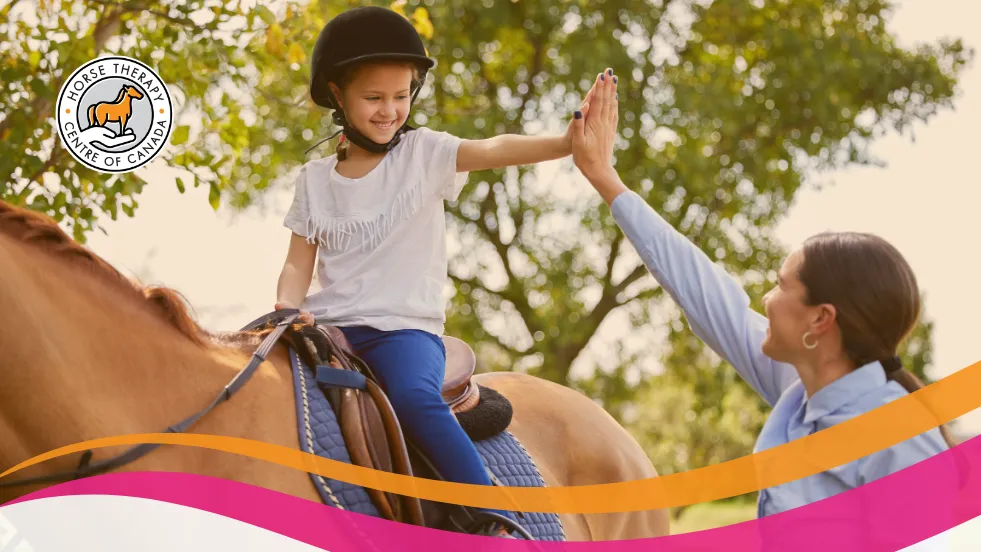
How Therapeutic Horseback Riding for Autism Supports Development and Growth
Building Consistent Progress Through Therapeutic Horseback Riding for Autism
Parents often notice improvements during therapy sessions, but maintaining those changes at home or school can be difficult. Skills practiced in guided environments do not always transfer easily into everyday situations. Because of this, families often look for approaches that help children with autism build communication, emotional regulation, and practical life skills in ways that feel meaningful and engaging.
Therapeutic horseback riding for autism is one approach that supports this kind of learning. In these programs, children participate in guided activities such as grooming, leading, and riding a horse while working with trained professionals. The routine of these sessions allows children to practice focus, coordination, and communication in a calm and predictable environment. Families exploring horse therapy for autism or other equine-based programs often notice that working with horses encourages patience, routine, and engagement. Many parents researching horse therapy and autism programs are interested in how interactions with animals can support learning and emotional growth. The connection between autism and horses can create a unique learning experience where children practice new skills while interacting with the horse.
The combination of movement, responsibility, and interaction can support steady developmental progress for some children. In this blog, we’ll explain how therapeutic horseback riding for autism works, who may benefit from it, and what families can realistically expect from structured riding programs.
Understanding What Therapeutic Horseback Riding for Autism Means
Therapeutic horseback riding for autism is more than recreational riding. It is a program where children participate in supervised horseback riding sessions designed to support developmental goals. These programs are guided by trained professionals who ensure activities are safe, purposeful, and appropriate for each child.
While families may hear terms like equine therapy for autism or broader terms such as equine autism programs, therapeutic riding focuses specifically on skill-building through horseback riding. The goal is not simply interaction with horses but guided learning through routine riding activities. In some discussions, these programs may also be described within the broader field of equine autism services, which includes different types of equine-assisted activities designed for individuals on the autism spectrum.
Sessions are designed to help children practice skills in a supportive environment. Activities often include preparing the horse, learning basic riding cues, and participating in simple exercises while mounted. Each step helps children develop focus, coordination, and communication.
The horse’s steady movement also provides physical and sensory feedback that can support balance and body awareness. Research suggests that the rhythmic movement of horseback riding may contribute to improvements in motor coordination and sensory processing in some children with autism (Zhao et al., 2021). Because of this, programs that focus on horseback riding and autism often emphasize consistency and repetition so children can gradually develop confidence and body awareness while working with the horse.
Unlike indoor therapies, therapeutic riding typically takes place in a farm setting. The open environment and predictable routine can create a different type of learning experience. At Horse Therapy Centre of Canada, therapeutic riding sessions are guided by trained professionals who understand child development and behavioural support. Each child follows an individualized plan so that horseback riding activities support meaningful skill development.
Common Misconceptions About Therapeutic Horseback Riding for Autism
When families first hear about therapeutic horseback riding for autism, they sometimes imagine something very different from what actually happens in these programs. Because the idea of therapy involving horses is unfamiliar to many people, a few common misunderstandings often come up. Learning how therapeutic horseback riding really works can help parents feel more comfortable when exploring this option for their child.
It’s Not Just Regular Riding Lessons
Some people think therapeutic horseback riding is simply riding lessons for children with autism. In reality, the goal is not to teach children how to become skilled riders.
Instead, the riding activities are used to help children practice important everyday skills. While riding and interacting with the horse, children may work on things like following instructions, paying attention, and improving balance. They may also practice communication and learning how to stay calm during activities. The horse becomes part of the learning experience. This is what makes therapeutic horseback riding for autism different from typical horseback riding lessons.
It Does Not Replace Other Therapies
Another common misunderstanding is that therapeutic horseback riding can replace other types of therapy. In most cases, it works best when used together with other supports. Many children who participate in therapeutic riding also receive services such as speech therapy, occupational therapy, or behavioural support. Riding sessions can help reinforce some of the same skills children are already working on in those settings. For families, therapeutic horseback riding is usually one part of a larger plan that supports a child’s development.
It’s Not Just Playing With Horses
Some parents worry that children simply spend time around horses without learning anything specific. In well-run programs, that is not the case.
Sessions usually follow a predictable routine. Children may help brush the horse, learn simple riding cues, and take part in guided riding activities. Instructors stay nearby to guide the child and make sure everything is safe. These activities help children practice focus, coordination, and communication while interacting with the horse in a calm environment.
At Horse Therapy Centre of Canada, therapeutic horseback riding sessions are carefully guided so each child can learn at their own pace. The goal is to help children build confidence, develop new skills, and enjoy the experience of working with horses.

How Therapeutic Horseback Riding for Autism Works Step by Step
Understanding how sessions work can help families decide if therapeutic horseback riding for autism may be a good fit for their child. These programs are guided by trained professionals so children can learn new skills while working with horses in a safe environment.
Initial Assessment and Personalized Goals
Before starting equine therapy for autism, professionals first take time to understand the child’s needs. They look at things such as communication skills, sensory sensitivities, balance, emotional regulation, behaviour triggers, and whether the child is physically ready for riding.
Based on this information, clear goals are set for the child. For example, a child may work on asking for things on their own, improving posture and balance while riding, handling transitions more calmly, or interacting with others during activities. At Horse Therapy Centre of Canada, every activity in horse therapy for autism sessions is connected to these goals, so progress can be observed over time.
How a Typical Session Works
Most therapeutic riding for autism sessions follow a predictable routine so children know what will happen during the session. A session usually includes arriving and getting comfortable in the space, grooming and preparing the horse, taking part in guided riding activities, and ending with a short cool-down or reflection time.
This routine helps children feel more comfortable and secure. Many children do better when activities happen in the same order each time. Over time, this can also help them handle transitions more easily outside of therapy. This is one reason families interested in autism and horses programs often see steady progress.
Movement and Sensory Support
The horse’s steady movement during horseback riding and autism programs provides natural sensory input. This movement can help support balance, body awareness, coordination, and posture. Studies have suggested that the movement involved in therapeutic horseback riding may help support motor development and sensory integration for some children with autism (Bass et al., 2009; Zhao et al., 2021). For many families exploring horse therapy and autism, this movement-based learning experience is one of the reasons they consider horseback riding programs.
Communication in a Natural Setting
Sessions also give children natural opportunities to practice communication. During equine therapy for autism, children may practice giving instructions, following guidance from instructors, taking turns, and sharing attention with others. Because the horse responds to the child’s actions, communication often feels meaningful. Children quickly see that their words, gestures, or actions create a response from the horse. Studies have shown that therapeutic horseback riding can improve social communication and engagement in some children with autism (Gabriels et al., 2015).
Emotional Regulation and Self-Awareness
Another focus of therapeutic horseback riding for autism is helping children manage their emotions. During activities, children may practice calming their breathing, pausing before reacting, and trying again after a small challenge.
With repetition, these skills can become easier over time. Whether families describe it as horse therapy for autism or therapeutic riding for autism, the goal is the same: helping children develop emotional control and confidence in a supportive environment.
At Horse Therapy Centre of Canada, therapeutic horseback riding sessions are guided by trained professionals who understand child development and behavioural support. Each child is supported at their own pace, and activities are adjusted to match their comfort level and ability so they can gradually build confidence, communication skills, and emotional regulation through working with the horse.
Who May Benefit From Therapeutic Horseback Riding for Autism
Every child with autism has their own strengths, needs, and learning style. Because of this, therapeutic horseback riding for autism is not designed to work the same way for every child. However, many families find it helpful for children who respond well to movement, routine, and hands-on learning.
Some children learn best when they are actively involved in what they are doing. Instead of sitting in a classroom or therapy room, they may respond better when learning happens through real experiences. Working with a horse provides this type of environment, where children can practice important skills while taking part in meaningful activities.
Support for Sensory Needs
Many children with autism experience sensory differences, which means certain sounds, movements, or physical sensations may feel overwhelming or uncomfortable. The gentle and steady movement of a walking horse can provide calming sensory input that helps some children feel more relaxed and focused. Research examining therapeutic horseback riding has reported improvements in sensory responsiveness and engagement in some participants with autism (Bass et al., 2009).
Building Communication Through Interaction
Therapeutic horseback riding can also support communication skills. During sessions, children may practice giving simple cues to the horse, listening to instructions from the instructor, or interacting with others during the activity. Because the horse responds to the child’s actions, communication often feels meaningful. Children can quickly see that their voice, gestures, or movements influence what the horse does next. Studies examining equine-assisted programs have reported improvements in social interaction and communication for some children with autism (Gabriels et al., 2015; Zhao et al., 2021).
A Calm and Predictable Learning Environment
Many children with autism feel more comfortable when activities follow a clear and predictable routine. Therapeutic riding sessions usually follow a similar flow each time, such as greeting the horse, grooming, riding, and ending with a short wrap-up.
This consistency helps children feel more secure and confident. The farm environment also provides open space and a calm atmosphere where children can participate in activities that feel enjoyable and purposeful. For some families, horse therapy for kids offers a supportive setting where learning happens through experience rather than feeling like a typical clinic visit.
At Horse Therapy Centre of Canada, the team carefully reviews each child’s strengths, needs, safety considerations, and readiness for riding before enrollment. This helps ensure the program is a good match for the child. Decisions are based on individual needs rather than general assumptions, so families can feel confident that therapeutic riding for autism will be safe, supportive, and appropriate for their child.

Who May Not Be an Ideal Candidate
Clear boundaries are important when considering therapeutic horseback riding for autism. This type of program is helpful for many children, but it may not be the right fit for everyone.
For example, some children may not be ready if they have uncontrolled medical conditions, cannot safely sit on or ride a horse, have a strong fear of large animals, or need more support before joining a group program. In these situations, it may be better to wait or prepare first.
Sometimes children benefit from other supports, such as occupational therapy, before starting equine therapy for autism or other equine autism programs. Preparation can help them feel more comfortable and ready for activities with horses. Some families exploring equine autism programs begin with other therapies before introducing horseback riding activities. While horse therapy for kids can support many families exploring horse therapy for autism, safety and readiness should always come first.
At HTCC, every child completes a screening process before starting. This helps make sure therapeutic riding for autism is safe and appropriate. The goal is to ensure that horse therapy and autism programs truly support growth for children who are ready to participate.
What Real Progress Can Look Like Over Time
Families often want to know what kind of progress they might see in therapeutic horseback riding for autism. It is important to understand that change usually does not happen overnight. Instead, progress tends to develop slowly as children participate in sessions regularly and practice the same skills over time.
Small improvements are often the most meaningful. A child may begin to show more confidence, better focus, or improved comfort during activities. These changes may seem simple at first, but they can make a big difference in everyday life. In therapeutic riding for autism, steady progress through repeated experiences with the horse is often the goal.
Communication Improvements
Over time, some children begin to communicate more during sessions. For example, a child may start asking for something they need, responding more consistently when their name is called, or following instructions more easily.
Working with the horse creates natural opportunities for communication. Children may give simple cues to the horse, listen to directions from the instructor, or interact with the people around them during the activity. These moments help children practice communication in a way that feels meaningful.
Becoming More Comfortable Around Others
Another area where families sometimes notice progress is social interaction. Some children who were initially quiet or withdrawn may slowly become more comfortable participating in activities with others. During riding sessions, children often share attention with the instructor, helpers, and the horse. Over time, they may begin to engage more, participate more willingly, and feel more confident being part of the activity.
Better Balance and Body Control
The movement of the horse can also help children develop physical skills. As the horse walks, the child naturally adjusts their body to stay balanced. This movement can help strengthen core muscles, improve posture, and support better coordination. With regular riding, some children show improved balance and smoother body movements.
Learning to Manage Frustration
Therapeutic horseback riding can also help children practice emotional regulation. For example, if something feels difficult during the activity, the child may learn to pause, take a breath, and try again.
Over time, some children become more patient during transitions, recover more quickly after small challenges, and stay engaged in the activity for longer periods. These experiences help children practice staying calm and working through small difficulties.
Whether families describe it as horse therapy for autism or horse therapy for kids, the main goal is steady and meaningful progress. At Horse Therapy Centre of Canada, each child’s development is carefully observed so sessions remain safe, supportive, and helpful as children continue building confidence and new skills through their experiences with horses.
Frequently Asked Questions
What is therapeutic horseback riding for autism?
Therapeutic horseback riding for autism is a program where children participate in guided horseback riding activities with trained professionals. The goal is not simply to learn how to ride, but to help children practice skills such as communication, balance, focus, and emotional regulation while working with a horse. At Horse Therapy Centre of Canada, sessions are guided by trained professionals who support each child at their own pace so they can build confidence and new skills in a safe environment.
How does therapeutic horseback riding for autism improve communication?
During riding sessions, children often practice listening to instructions, giving simple cues to the horse, and interacting with the instructor. Because the horse responds to the child’s actions, communication can feel meaningful and engaging. Research has shown that equine-assisted activities can support improvements in communication and social engagement for some children with autism (Gabriels et al., 2015). At Horse Therapy Centre of Canada, instructors guide these interactions so children can practice expressing themselves while staying involved in the activity.
Is equine therapy for autism evidence-based?
Research suggests that equine-assisted programs may help improve areas such as communication, behaviour, and social functioning for some children with autism when the programs are properly supervised. For example, a randomized controlled trial found that therapeutic horseback riding was associated with improvements in social communication and reduced irritability in children with autism (Gabriels et al., 2015). At Horse Therapy Centre of Canada, sessions are guided carefully by trained professionals so children can participate in a supportive and purposeful learning environment.
Is horse therapy for kids safe?
Horse therapy for kids can be safe when programs follow proper screening, supervision, and safety procedures. Horses used in therapy are usually selected for their calm temperament, and sessions are guided by trained professionals. At Horse Therapy Centre of Canada, each child’s readiness is reviewed before enrollment, and activities are supervised closely to ensure a safe and supportive experience.
How long does therapeutic riding for autism take to show results?
Progress can look different for every child. Some families may notice small changes within a few weeks, while other improvements develop gradually with consistent participation. Research on equine-assisted activities shows that benefits often appear after regular sessions over several weeks or months (Gabriels et al., 2015). At Horse Therapy Centre of Canada, instructors observe each child’s progress so activities can continue to support their development over time.
For More Information
You may find these related resources helpful:
Empowering Neurodiverse Individuals Through Equine-Assisted Therapy
Strengthening the Mind-Body Connection Through Equine-Assisted Therapy
Equine Insights: Understanding Horse Communication in Therapy
Bridging the Gap: Enhancing Teen Communication Skills with Equine-Assisted Therapy
These articles provide additional context about equine-based programming at Horse Therapy Centre of Canada.
References
Bass, M. M., et al. (2009). The effect of therapeutic horseback riding on social functioning in children with autism. Journal of Autism and Developmental Disorders, 39(9), 1261–1267. https://doi.org/10.1007/s10803-009-0734-3
Gabriels, R. L., et al. (2015). Randomized controlled trial of therapeutic horseback riding in children and adolescents with autism spectrum disorder. Journal of the American Academy of Child & Adolescent Psychiatry, 54(7), 541–549. https://doi.org/10.1016/j.jaac.2015.04.007
Zhao, M., et al. (2021). Effects of a therapeutic horseback riding program on social interaction and communication in children with autism spectrum disorder. International Journal of Environmental Research and Public Health, 18(5), 2656. https://www.mdpi.com/1660-4601/18/5/2656
A Supportive Next Step with Therapeutic Horseback Riding for Autism
Families considering therapeutic horseback riding for autism often want to know if the program is the right fit for their child. Learning how sessions work can help parents feel more confident when exploring this option.
At Horse Therapy Centre of Canada, therapeutic horseback riding sessions are guided by trained professionals who support children in building communication, coordination, and emotional regulation while working with horses. If you would like to learn more about therapeutic horseback riding for autism, you can contact us to ask questions and explore available programs.