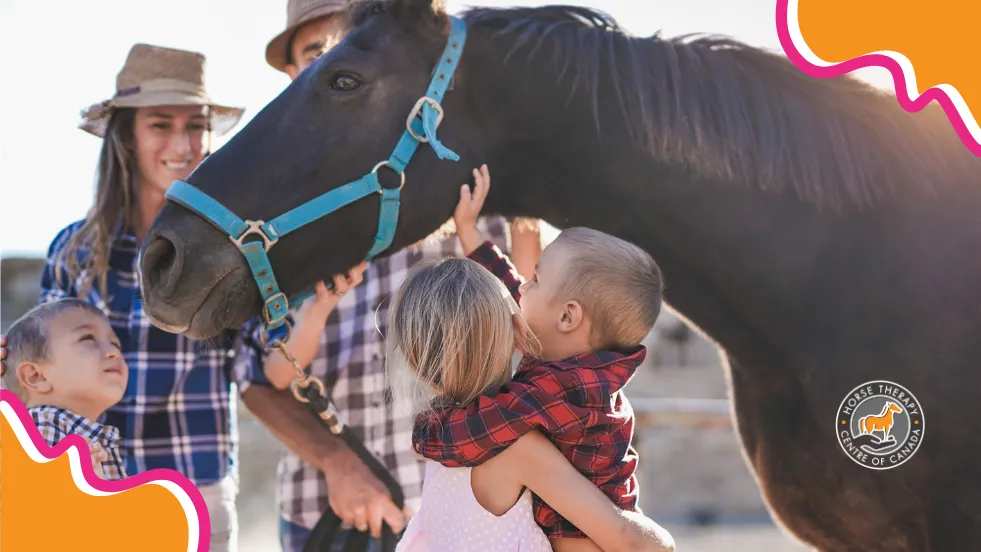
Rebuilding Bonds: Equine Therapy Retreats for Parent-Child Reconnection
The Power of Equine Therapy for Parent-Child Relationships
Parent-child relationships can be complicated, especially when emotional walls start to form. From the pressures of daily life to unresolved conflicts, it is easy for families to drift apart. But what if there was a way to rebuild that trust, foster better communication, and heal emotional wounds in a way that’s engaging and transformative? This is where equine therapy reintegration retreats come into play.
Equine-assisted therapy is becoming a powerful tool in helping families reconnect, especially when traditional therapy methods have failed to make a meaningful impact. Through the unique bond formed between participants and horses, these retreats allow parents and children to work through their challenges in an environment that fosters trust, cooperation, and healing. Whether it’s overcoming trust issues or simply trying to rebuild emotional connections, horse-assisted parent-child healing can pave the way for deeper understanding and stronger bonds.
In this blog, we’ll explore how equine therapy retreats can help parents and children bridge the gap, offering a holistic approach to emotional healing. If you’re looking for a way to foster a healthier relationship with your child, this blog is your guide to discovering the transformative power of equine therapy.
What is Equine-Assisted Therapy?
The Essence of Equine Therapy
Equine-assisted therapy is a type of experiential therapy that uses horses to facilitate emotional healing, improve behavioral skills, and promote personal growth. Unlike traditional talk therapy, equine therapy is active and hands-on. Participants engage in activities such as grooming, leading, or even riding horses, allowing them to explore their emotions in a more direct, physical way.
At its core, equine therapy is about establishing a connection with the horse. Horses are incredibly intuitive animals, able to respond to human emotions and body language in ways that few other animals can. This provides participants with a reflective experience, helping them become more aware of their emotional state and develop a deeper understanding of themselves and others.
For parents and children, these therapy sessions offer a non-judgmental space for expressing emotions, rebuilding trust, and learning new communication strategies. Whether it's through working together to guide a horse or reflecting on the way a horse reacts to their emotional state, families learn valuable lessons about patience, cooperation, and emotional regulation.
How Horses Facilitate Healing
Horses are often described as mirrors for human emotions, making them powerful partners in horse-assisted parent-child healing. Their highly sensitive nature allows them to pick up on energy, body language, and emotional states, reflecting the inner emotional world of both parent and child. This unique dynamic fosters deeper connection, emotional awareness, and healing within the parent-child relationship through horse-assisted parent-child healing.
For example, if a person is tense or anxious, the horse might respond by becoming more agitated or distant. Conversely, if the person is calm and present, the horse may become more relaxed and receptive. This feedback loop provides immediate, real-time information about the participant’s emotional state, helping them better understand and process their feelings. Horse-assisted parent-child healing creates a safe space where both parents and children can gain insight into their emotional responses.
For families, this interaction becomes an invaluable tool for communication. In horse-assisted parent-child healing, children and parents often find that horses provide a neutral environment to express difficult emotions, promote self-awareness, and build trust. Through shared experiences with horses, parents and children can learn how to navigate emotions together, strengthening their emotional bonds and creating a foundation of empathy and understanding.
Horse-assisted parent-child healing offers a unique approach to overcoming barriers in the parent-child relationship. Through guided activities like grooming, leading, or simply spending time with the horse, both the parent and child can process unresolved emotions and foster a deeper connection. This form of therapy helps families build communication skills, emotional resilience, and trust, providing the tools for stronger, healthier relationships in the future.

The Benefits of Equine Therapy for Parent-Child Relationships
Trust Building Through Shared Experiences
Trust is often the most challenging aspect of any parent-child relationship, especially in families that have experienced trauma, miscommunication, or emotional disconnection. Equine therapy offers a unique opportunity to rebuild trust through shared experiences.
Working with a horse requires mutual respect, trust, and understanding, key elements in horse-assisted parent-child healing. Parents and children must not only build trust with the horse but also strengthen their trust in each other. Through activities like guiding a horse through an obstacle course or caring for the animal together, families develop clearer communication, emotional connection, and a deeper sense of support for one another.
The key benefit here is that the experience is immediate. Unlike verbal communication, where misunderstandings may occur, the process of interacting with a horse provides instant feedback. This helps families develop stronger, more trusting relationships as they work together to achieve common goals.
Improved Communication Skills
One of the most common struggles in parent-child relationships is poor communication. Children may not feel heard or understood, while parents might struggle to connect with their child’s emotions. Equine therapy offers a natural, effective way to improve communication.
During equine therapy reintegration retreats, families learn that clear communication is essential in order to successfully work with a horse. Parents and children must communicate their intentions, emotions, and needs to the animal, and to each other. This fosters active listening, empathy, and emotional attunement, key elements of healthy communication.
As participants work with horses, they also become more aware of how non-verbal cues (such as body language and tone) impact communication. This heightened awareness translates directly into the parent-child relationship, where both parties learn to listen more attentively and respond with greater empathy.
How Equine Therapy Reintegration Retreats Help Families Reconnect
A Safe Environment for Emotional Growth
Equine therapy is conducted in a serene, natural setting that provides the perfect environment for emotional healing. In equine therapy reintegration retreats, families are encouraged to step away from the distractions of daily life and immerse themselves in the healing process. The calm, peaceful atmosphere of the farm or equestrian center sets the stage for meaningful reflection and growth.
The space also plays a key role in emotional safety. Participants feel comfortable exploring difficult emotions because they’re in an environment that promotes openness and vulnerability. Horses, as neutral partners in the therapy, help facilitate this emotional openness by responding authentically to the participants’ feelings. This creates a safe space where families can explore their relationship dynamics and begin to heal.
Tailored Therapy for Each Family’s Needs
Every family is unique, and equine therapy reintegration retreats are designed to meet the specific needs of each group. Whether a family is facing communication challenges, trust issues, or trauma, the therapy process is individualized to ensure the best possible outcome. Therapists work closely with families to design activities that address their particular concerns, making each session highly relevant and impactful.
The hands-on nature of the therapy allows for real-time feedback, meaning that families can immediately apply the insights gained from working with the horses to their relationship. For example, a parent and child might struggle with patience, but through activities like grooming or leading a horse, they learn to work together at a slower, more intentional pace. These experiences translate into improved patience and understanding in their daily lives.

The Role of Professional Therapists in Equine Therapy
Expert Guidance for Lasting Results
Equine therapy requires the expertise of trained professionals who specialize in both the therapeutic process and animal behavior. At equine therapy reintegration retreats, licensed therapists are present to guide families through the emotional journey. These professionals help facilitate the sessions, ensuring that the experience is both safe and effective.
The therapist’s role is to provide context and support during the interactions between the family and the horse. They help participants understand the emotional dynamics at play, whether it’s between the parent and child or between the family and the horse. Therapists also provide valuable insight into the behaviors and reactions of the horse, helping families learn from these interactions.
With professional guidance, families can gain a deeper understanding of their emotional barriers and work toward positive change. This makes horse-assisted parent-child healing a truly transformative experience, as the therapist helps families apply the lessons learned in the retreat to their everyday lives.
Why Choose Equine Therapy Retreats for Parent-Child Healing?
A Unique, Non-Verbal Approach to Therapy
One of the standouts features of equine therapy is its non-verbal nature. While traditional therapy often relies on conversation, equine therapy is based on physical interaction. This non-verbal approach allows participants to explore emotions and build connections in a more instinctive and natural way. For children, especially those who struggle with verbal communication or emotional expression, this approach can be particularly beneficial.
Horses offer a non-judgmental presence, which makes them ideal for helping children and parents express difficult emotions. Unlike humans, horses do not judge or criticize; they simply mirror what they are feeling from the participants. This creates a space where both parents and children can freely explore their emotions, build trust, and form lasting connections.
A Lasting Impact on Family Dynamics
The skills and insights gained during equine therapy reintegration retreats often extend far beyond the retreat itself. As families learn how to communicate more effectively, express their emotions more openly, and rebuild trust, they carry these lessons with them into their daily lives. The bond created between parents and children during these retreats is not only deepened in the moment but is also strengthened for the long term.
By the end of the retreat, families often experience a renewed sense of connection and a fresh perspective on their relationship. This lasting impact makes equine therapy a valuable investment in the future of the family.
Rebuild Your Bond with Equine Therapy
If you're seeking to reconnect with your child and rebuild trust, equine therapy reintegration retreats offer a unique and transformative approach to healing. The experience of working with horses allows parents and children to communicate more openly, express emotions freely, and work together toward building a healthier, more trusting relationship.
At Horse Therapy Centre Canada, we specialize in offering personalized horse-assisted parent-child healing experiences. Our retreats are designed to provide a safe and nurturing environment where families can grow together, learn valuable life skills, and heal emotional wounds. If you're ready to take the first step toward a stronger, more connected relationship with your child, we invite you to join one of our retreats.