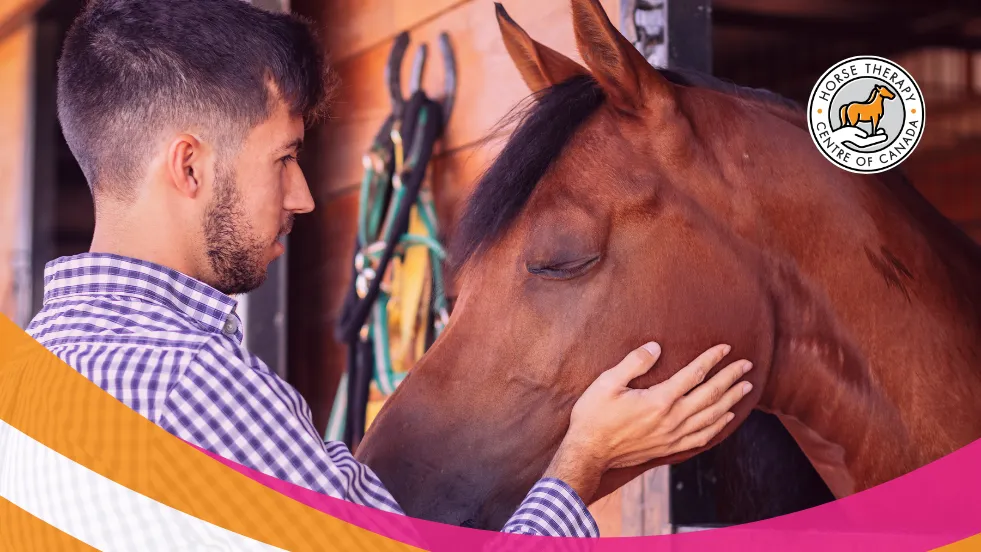
The Work Behind Professional Certification in Horse Therapy
The Commitment Behind Horse Therapy Certification
Have you ever wondered what kind of training someone needs before guiding horse therapy sessions with clients? Working in horse therapy requires more than simply enjoying horses. It involves proper training, clear responsibilities, and a strong understanding of how therapy sessions should be conducted safely. Professionals who work in horse therapy must know how to guide activities, support clients, and manage interactions with horses in a careful and structured way.
Certification in horse therapy helps make sure practitioners have the education and hands-on experience needed to do this work responsibly. Most professionals begin with formal training, such as equine assisted therapy certification, then complete supervised practice and continue building their skills as they gain experience. These steps help them understand both the therapeutic process and the proper care of the horses involved. Because therapy with horses includes both people and animals, safety and ethical practice are important parts of the work.
This blog explains what certification in horse therapy usually involves and why it plays an important role in running safe and responsible programs. It also looks at how proper training prepares practitioners to work with both people and horses in a thoughtful and ethical way. When professionals receive the right education and supervision, they are better equipped to guide sessions safely and support meaningful equine therapy experiences for clients.
What is Professional Certification in Horse Therapy?
Professional certification in horse therapy shows that a therapist has completed the training and practical experience needed to work safely with both clients and horses. It confirms that the professional has met education and practice standards before guiding therapy sessions. Horse therapy can take several forms, including therapeutic riding, equine-assisted learning, and equine-assisted psychotherapy, each supporting different developmental, educational, or emotional goals. Some practitioners also pursue specialized credentials such as equine assisted therapy certification when their work focuses on mental health support.
Working in this field requires more than basic horse knowledge. Professionals also need to understand how people learn, how behaviour changes, and how guided activities with horses can support a client’s progress. Research on equine-assisted activities suggests that structured programs involving horses can support improvements in areas such as social interaction, emotional engagement, and communication for some participants (Xiao et al., 2023).
Key Requirements for Certification
Structured Education
Most certification paths begin with formal education. Professionals often study equine therapy, horse care, and therapeutic horse activities, along with topics like psychology and human behaviour. Some programs also introduce equestrian horse therapy, where horse-based activities support learning and emotional development. Organizations such as Horse Therapy Centre of Canada (HTCC) offer recognized training and certification programs that prepare professionals to work responsibly in horse therapy settings.
Supervised Practice
Practical experience is an important part of certification. Many certification programs require a specific number of supervised training hours before professionals can work independently. During this time, trainees observe and lead sessions under guidance while learning how to guide activities safely. This hands-on experience helps them understand how to manage both the client’s needs and the horse’s behaviour during therapy with horses.
Ethical Accountability
Certification also includes learning professional standards and ethical guidelines. Therapists must understand how to protect the safety of participants, care for the horses involved, and respect client privacy. International guidelines for animal-assisted interventions highlight the importance of trained professionals, ethical oversight, and careful attention to animal welfare when animals are involved in therapeutic work (International Association of Human–Animal Interaction Organizations, 2018).
At the Horse Therapy Centre of Canada, training and professional preparation are considered essential parts of responsible horses and therapy programs. By emphasizing education, supervised experience, and ethical practice, the centre supports programs where interactions with horses are guided with care, safety, and clear professional standards.
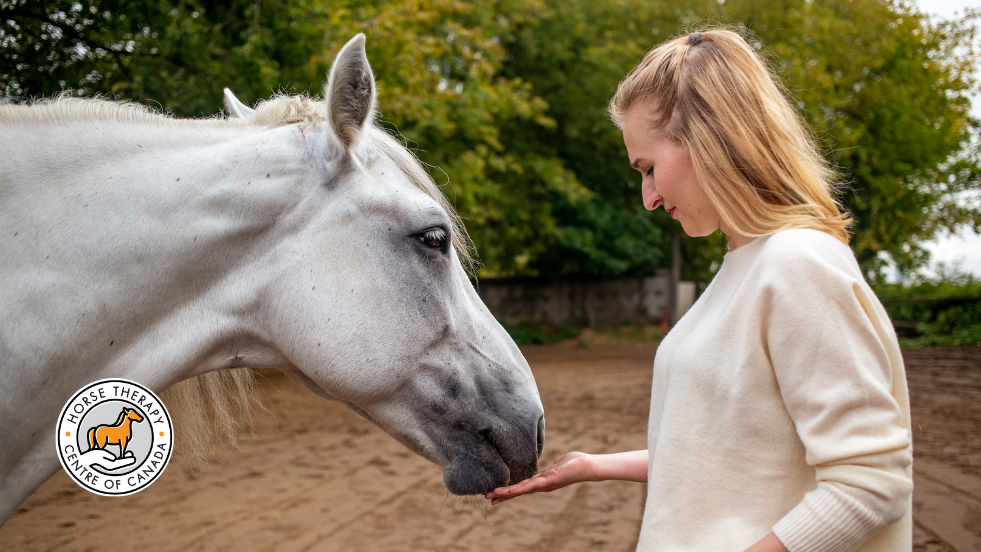
Common Misconceptions About Horse Therapy Certification
At first glance, therapy with horses may look simple. However, professional horse therapy requires training, supervision, and a clear understanding of how therapeutic sessions are guided. Certification helps ensure that practitioners know how to guide activities safely while supporting clients through equine therapy.
Some common misunderstandings can make the field seem less structured than it actually is. In reality, programs that combine horses and therapy follow professional standards designed to protect both participants and horses.
Myths and Reality
Myth 1: Horse therapy is simply spending time with horses.
Reality: Effective horse therapy is guided by trained professionals. Certification programs such as equine assisted therapy certification teach practitioners how to use horses within a therapeutic process, including planning activities, setting goals, and supporting emotional, behavioural, or developmental progress.Sessions may include activities such as groundwork exercises, grooming, leading a horse, or guided interactions with the horse, allowing clients to practice communication, patience, and cooperation in a safe and supervised setting.
Myth 2: All equine therapy programs follow the same approach.
Reality: Different equine certification programs focus on different areas of practice. Some training paths include equine psychotherapy certification, which focus on mental health support. Others emphasize education, learning, or personal development through equestrian horse therapy approaches. The Horse Therapy Centre of Canada (HTCC) follows a similar professional framework, combining structured training, ethical practice, and guided horse-based activities to support safe and effective equine therapy programs.
Myth 3: Certification is optional for horse therapy work.
Reality: Certification shows that a practitioner has completed the training needed to deliver therapy with horses safely and responsibly. Many professionals pursue programs such as equine assisted therapy certification to demonstrate their qualifications and commitment to professional standards. It means the professional understands both client care and horse welfare, helping ensure activities are guided with proper structure and supervision. Certification requirements can vary by organization, location, and program, but many reputable equine therapy programs follow professional standards to support safety and build trust with clients.
At HTCC, guided training and responsible practice are considered essential in programs that involve equine therapy. The focus is on maintaining professional standards so that activities involving horses and therapy remain safe, thoughtful, and beneficial for everyone involved.
How Horse Therapy Certification Works
Certification in horse therapy usually follows a clear process to prepare professionals to work safely with both people and horses. The goal is to build knowledge, practical experience, and a strong understanding of safety before guiding therapy with horses. Professionals who pursue this training learn both therapeutic principles and practical skills, sometimes through advanced training paths such as equine psychotherapy certification when their work focuses on mental health and emotional support.
Steps Involved in Horse Therapy Certification
1. Completing a Structured Training Program
The first step usually involves enrolling in a recognized equine certification program. These programs provide the foundation for working in equine therapy and often include training in horse behaviour, therapeutic methods, communication skills, and session planning.Structured training also teaches how to guide safe, goal-focused activities with horses, observe client responses, and adjust sessions as needed. Some programs also explore areas such as equestrian horse therapy and specialized paths like equine assisted psychotherapy certification.
2. Gaining Supervised Practical Experience
Hands-on practice is an important part of learning horse therapy. Most equine certificate programs require trainees to complete a set number of supervised hours. During this stage, new professionals work alongside experienced practitioners while guiding activities and observing how horse therapeutic sessions are managed safely.
3. Completing Knowledge Assessments
After finishing the required education and practice hours, participants usually complete an evaluation or exam. These assessments help confirm that the individual understands important areas such as equine therapy practices, ethical responsibilities, and safety procedures during therapy with horses.
4. Continuing Education and Professional Growth
Certification does not end after the first training program. Many professionals continue learning through workshops, advanced study, or additional certifications, such as equine assisted therapy certification or equine assisted psychotherapy certification. Ongoing education helps professionals stay informed about new ideas and best practices in programs that combine horses and therapy. Ongoing education helps professionals stay informed about current practices and evolving standards in fields that combine horses and therapy.
At the Horse Therapy Centre of Canada, preparation and continued learning are viewed as essential parts of responsible programs that involve horse therapy. By emphasizing careful training, professional growth, and respect for both participants and horses, the centre supports programs that prioritize safety, consistency, and thoughtful guidance.
The Benefits of Professional Horse Therapy Certification
Professional certification helps maintain quality and safety in horse therapy programs. When therapists complete formal training and practical experience, it confirms they understand how to guide therapy with horses responsibly. Professionals who complete equine certification programs gain knowledge about therapeutic methods, horse behaviour, and safe session management.
This preparation helps ensure equine therapy is delivered in a structured and consistent way. Best-practice research on animal-assisted interventions also emphasizes that trained professionals and clear program standards are important for protecting both participants and animals involved in therapeutic settings (Brelsford et al., 2020).
Key Benefits
Client Safety
Certified professionals are trained to recognize potential risks and manage activities carefully. This helps protect both participants and the horses involved in horse therapy sessions. Understanding safety procedures is an essential part of professional training. It also helps ensure that each session is guided in a calm, controlled, and supportive way. Clear safety practices help create an environment where both the client and the horse can interact comfortably and safely.
Structured Approach
A trained practitioner plans sessions with clear goals and steps. Instead of random activities, therapy with horses follows a plan that supports the participant’s needs. For example, a session might begin with a short introduction, followed by a guided activity such as grooming or leading the horse, and then a brief discussion about what the participant noticed or learned. This structure helps keep sessions focused and meaningful.
Tracking Progress Over Time
Professionals trained through equine certificate programs learn how to observe changes and track development. They may monitor improvements in communication, confidence, or behaviour and adjust activities when needed. This careful approach helps equine therapy remain consistent and meaningful. It also helps practitioners better understand how each client responds to different activities with the horse.
In structured programs at Horse Therapy Centre of Canada, the role of trained professionals is an important part of maintaining responsible standards in work that combines horses and therapy. By emphasizing preparation, safety, and thoughtful session planning, programs aim to provide well-organized horse therapeutic experiences that support steady and meaningful progress for participants.

Protecting Clients and Horses Through Safe Horse Therapy Practices
Safety is a key part of any program that involves therapy with horses. Clear procedures help protect both participants and horses, allowing horse therapy sessions to remain structured and safe. Responsible equine therapy programs also focus on the well-being of the horses. Careful supervision and planning help ensure that activities involving horses and therapy are conducted respectfully and responsibly.
Common Safety Practices
Constant Supervision
During horse therapy sessions, trained professionals stay present to watch all interactions between participants and horses. Continuous supervision allows facilitators to step in quickly if guidance or support is needed. This helps keep the environment calm and safe for everyone involved.
Clear Instructions
Participants receive clear guidance before starting any activity. This may include learning how to approach the horse, where to stand safely, and how to handle simple tasks during therapy with horses. Clear instructions help participants feel more comfortable and confident during the session.
Horse Welfare
Responsible equine therapy programs also focus on the well-being of the horses. Professionals make sure the horses are healthy, properly trained, and treated with care. Maintaining good conditions for the horses helps create a calm and safe environment for therapeutic horse activities. When horses are well cared for, they are better able to participate comfortably in sessions.
Safety and responsible care are central to horse therapy practices. At Horse Therapy Centre of Canada, sessions are thoughtfully planned so participants can take part in equine therapy in a setting that respects both the people involved and the horses.
Frequently Asked Questions
1. What is horse therapy?
Horse therapy involves using horses as part of a therapeutic process to support individuals with physical, emotional, or behavioural challenges. The interaction between people and horses can encourage learning, awareness, and personal growth. At Horse Therapy Centre of Canada (HTCC), horse therapy programs are designed to guide participants through safe, structured activities that support development and well-being.
2. How does equine therapy help with mental health?
Equine therapy can help individuals build emotional awareness, develop trust, and manage stress through guided interaction with horses. Being around horses often encourages calmness, patience, and reflection. At Horse Therapy Centre of Canada, these interactions are carefully guided by trained professionals so participants can explore emotional challenges in a supportive environment.
3. What are equine certificate programs?
Equine certificate programs provide structured education and hands-on training in equine-assisted therapy. These programs teach professionals how to guide sessions safely, understand horse behaviour, and support client development through horse-based activities. Programs such as those offered by Horse Therapy Centre of Canada (HTCC) help prepare practitioners with the knowledge and practical skills needed to deliver responsible and effective equine therapy.
For More Information
If you'd like to learn more about horse therapy or explore related topics, we invite you to check out these blog posts from Horse Therapy Centre of Canada:
Healing Journeys: The Power of Equine-Assisted Therapy in Retreats
Bridging the Gap: Enhancing Teen Communication Skills with Equine-Assisted Therapy
Transform Your Career: The Path to Equine-Assisted Therapy Certification
Fascinating Facts About Equine Therapy: Unveiling the Healing Power of Horses
These articles provide further insight into the impact of equine therapy, its applications, and its vital role in healing and professional growth.
References
Brelsford, V. L., et al. (2020). Best practice standards in animal-assisted interventions. Animals, 10(6). https://pmc.ncbi.nlm.nih.gov/articles/PMC7341237/
International Association of Human–Animal Interaction Organizations. (2018). IAHAIO white paper: The IAHAIO definitions for animal-assisted intervention and guidelines for wellness of animals involved. https://iahaio.org/wp/wp-content/uploads/2017/05/iahaio-white-paper-final-nov-24-2014.pdf
Xiao, N., et al. (2023). Effects of equine-assisted activities and therapies for individuals with autism spectrum disorder: A systematic review. Frontiers in Psychology. https://pmc.ncbi.nlm.nih.gov/articles/PMC9915993/
Exploring Professional Horse Therapy Programs
If you are interested in horse therapy or want to learn how professional certification supports safe equine-assisted therapy, a conversation can help you understand the process and expectations.
Horse Therapy Centre of Canada welcomes inquiries from individuals who want to explore how certified professionals guide structured therapy with horses. Contact HTCC to learn more about theprograms and how professionally guided sessions are designed to support safe and meaningful experiences with horses.