
How to Become an Equine Therapist and Create Meaningful Change
How to Become an Equine Therapist: Education, Skills, and Career Steps
Working with horses can create a unique learning experience. Horses pay close attention to body language, tone, and small changes in behaviour. Because of this, they are often included in programs that help people build confidence, improve communication, and better understand themselves.
Today, equine-assisted programs are used in counseling, schools, youth programs, and leadership development. These programs give participants time with horses in a structured setting where they can practice new skills and reflect on their behaviour.
As more people learn about these programs, a common question comes up: how to become equine therapist and build a career working with both horses and people. Some people are drawn to the field because they enjoy working with horses, while others are interested in supporting learning and personal growth.
The path requires the right mix of education, training, and hands-on experience. In this blog, you will learn what equine therapists do, the skills they need, and the steps involved in starting a career in this field.
What Does an Equine Therapist Do?
Before looking at how to become an equine therapist, it helps to understand what the role involves. An equine therapist guides individuals or groups through structured activities that involve interacting with horses. The therapist creates a safe environment, observes how participants respond, and helps them reflect on their experiences.
The focus of these sessions is usually on interaction rather than riding. Participants learn through hands-on activities and observation while the therapist supports the learning process.
Common Activities in Equine Therapy
Participants may take part in activities such as:
Grooming a horse: learning to approach and care for the animal calmly and respectfully.
Leading a horse through a small course: practicing communication and coordination while guiding the horse.
Observing herd behaviour: noticing how horses interact and what their behaviour can reveal about communication and relationships.
Working with others to guide a horse through a task: building teamwork, problem-solving, and clear communication.
The Role of the Therapist During Sessions
During these activities, the equine therapist helps participants notice what they felt, how they communicated, and how the horse responded. Reflection and discussion are important parts of the process because they help participants connect the experience to everyday situations.
Research suggests that guided interactions with animals can support emotional awareness and learning when led by trained professionals (Fine et al., 2019). Because of this, equine therapists plan activities carefully and supervise them closely to ensure both learning and safety.
Programs at Horse Therapy Centre of Canada follow this approach by organizing activities that allow participants to interact with horses safely while reflecting on their experiences. The goal is to support learning, encourage self-awareness, and maintain respectful care for the horses involved.
Why People Choose a Career in Equine Therapy
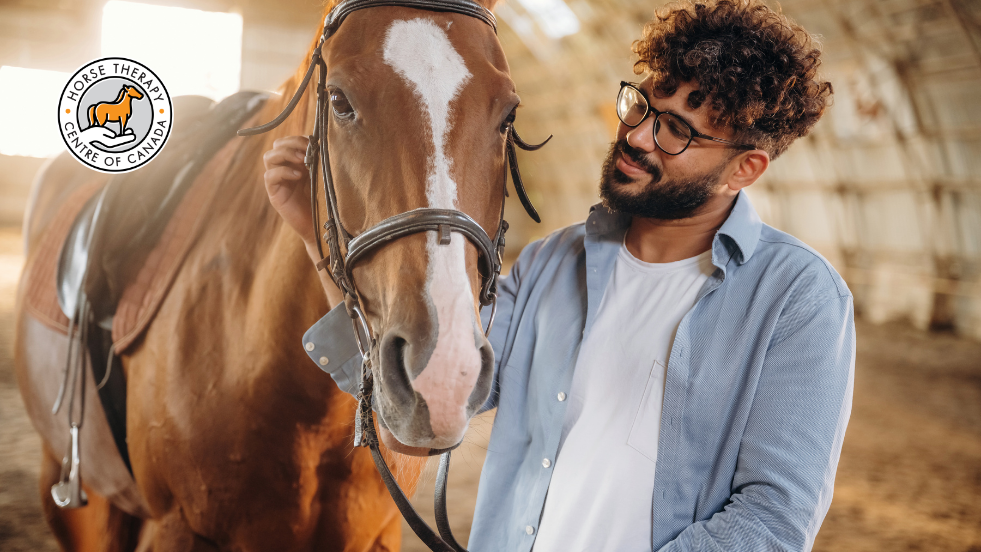
People choose a career in equine therapy for different reasons. Some already work in counseling or education and want to include hands-on, experiential learning in their work. Others have a background with horses and want to help people through interaction with them. Many are drawn to the field because it combines supporting people with building a meaningful connection with horses.
Equine therapy can be rewarding because it brings together work with people and the calm, natural environment of a farm or stable. The setting often encourages reflection, patience, and clear communication. For many professionals, this combination of helping people while working closely with horses makes the career especially fulfilling.
Who Equine Therapy Can Help
Equine-assisted programs are often designed to support:
Children and teens
People experiencing anxiety or stress
Individuals working on communication skills
People building confidence and emotional awareness
Horses respond honestly to human behaviour. This can help participants notice things about themselves that are harder to see in everyday life (Yorke et al., 2008). This type of interaction can support self-awareness and reflection, especially in therapeutic settings where participants are encouraged to explore their thoughts, emotions, and responses.
Training programs at Horse Therapy Centre of Canada help future practitioners understand how interactions with horses can support learning and personal growth. The focus also includes safe, responsible work with both participants and horses. A calm and structured approach helps participants feel safe and supported while learning through hands-on interaction.
Step-by-Step: How to Become Equine therapist
Many people think there is one single certification to become an equine therapist. In reality, it usually involves several steps that build knowledge, experience, and confidence. The goal is to understand people, work safely with horses, and learn how to guide structured equine-assisted sessions while learning how to become certified in equine therapy.
Step 1: Learn About Human Development
Equine therapy is about helping people, so it’s important to understand how humans grow and develop. Most practitioners start by studying fields such as psychology, counseling, social work, or education. This knowledge provides a foundation for understanding participants’ needs and how to support their learning and emotional growth.
Many programs also include coursework related to an equine assisted therapy degree, or practitioners combine a human-services degree with specialized equine training later.
Common fields of study include:
Psychology
Counseling
Social work
Education
Behavioural therapy
This foundation helps practitioners understand behaviour, emotions, and learning patterns. It prepares them to support participants thoughtfully and responsibly in equine-assisted programs.
Step 2: Build Strong Horse Skills
Working safely with horses is a key part of being an equine therapist. Facilitators need to understand horse behaviour and how to interact with them safely. This ensures that sessions are safe for both participants and horses, while allowing meaningful learning experiences.
Even experienced riders often need additional training for therapy work because the focus is on observation and support, not riding performance.
Important horse skills include:
Reading a horse's body language
Recognizing signs of stress or discomfort
Practicing safe handling
Learning basic horse care
These skills help facilitators create safe and respectful interactions between horses and participants during sessions.
Step 3: Choose Your Training Path
There are different paths to becoming an equine therapist, depending on your goals. Some people focus on equine therapy, which emphasizes therapeutic or behavioural objectives. Others pursue equine-assisted learning, which focuses on leadership, personal growth, and experiential learning.
Both paths involve structured activities with horses, but the purpose of the sessions may be different. One focuses more on therapeutic support, while the other focuses on learning and development.
Common training paths include:
Equine Therapy: programs that focus on behavioural support, emotional development, and therapeutic goals.
Equine-Assisted Learning: programs that support leadership skills, personal growth, and experiential learning.
Choosing the right path depends on whether you want to work in therapeutic settings or focus more on learning and development programs.
Step 4: Complete Certification
Certification programs teach the practical and professional skills needed to work safely with people and horses. Participants learn about session planning, safety, and how to guide reflection and learning. Completing a certification for equine therapy helps ensure facilitators understand ethical practices and can run sessions responsibly.
Programs typically include:
Understanding horse behaviour and communication
Safety and risk management
Planning and running sessions
Ethical treatment of therapy horses
Helping participants reflect on their experience
International standards emphasize the importance of professional training and ethics when working with animals in therapy (IAHAIO, 2020). These guidelines highlight that proper education, supervision, and clear safety practices are essential to protect both participants and animals during therapeutic programs.
Step 5: Gain Hands-On Experience
Practical experience is a crucial part of learning how to become certified in equine therapy. Observing and assisting in real sessions helps trainees see how theory is applied safely. Hands-on practice builds confidence, reinforces skills, and helps future facilitators understand participant needs.
Ways to gain experience include:
Volunteering at equine therapy centers
Assisting experienced facilitators
Observing professional programs
Participating in training workshops
These experiences help trainees apply what they have learned and better understand how sessions work in real settings. Over time, this practical exposure prepares them to guide activities safely and confidently.
Supervised practice is an important part of equine-assisted training. Programs at Horse Therapy Centre of Canada include opportunities to practice structured activities with horses while being guided by experienced facilitators. This hands-on experience helps future practitioners learn how to lead sessions safely, support participants effectively, and reflect on their work.
Skills That Help Equine Therapists Succeed
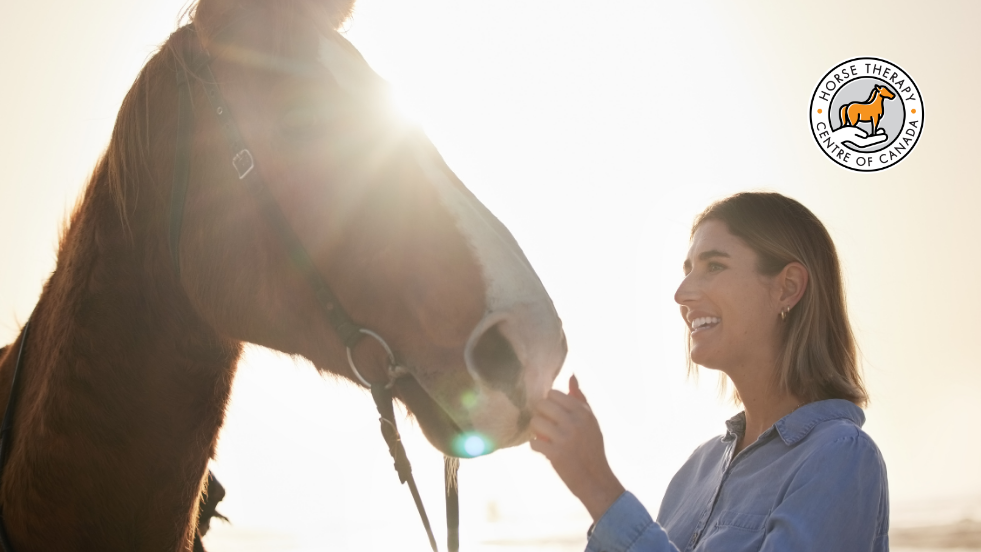
Education and certification are important, but good equine therapists also need practical skills. Sessions can involve strong emotions, unexpected reactions, and changing horse behaviour. Facilitators must stay calm, focused, and attentive while guiding participants through activities.
Important Skills for This Career
Successful equine therapists often have:
Strong observation skills to notice both horses and participants
Clear communication to give instructions and support learning
Emotional awareness to understand and respond to feelings
Patience and calm leadership to guide sessions safely
Understanding of horse behaviour to ensure safety and positive interactions
These skills help facilitators support both the participants and the horses during every session.
Hands-on learning is an important part of equine therapy training. Horse Therapy Centre of Canada includes practical opportunities where trainees can develop these skills in a supervised setting. During training, participants practice observing horse behaviour, guiding conversations with participants, and maintaining a safe, structured environment for everyone involved.
Equine Therapy Certification at Horse Therapy Centre of Canada
Many professionals who want to become equine therapists look for programs that combine learning the theory with real, hands-on experience with horses. The Equine-Assisted Therapist Certification at Horse Therapy Centre of Canada provides this kind of training. It helps participants understand how equine-assisted programs work in practice and how to run sessions safely and effectively while completing certification for equine therapy.
What Participants Learn
Training programs are designed to help participants understand both the practical and educational sides of equine-assisted work. Learning happens through a combination of instruction, observation, and hands-on practice. This helps participants see how structured activities with horses can support learning and personal development.
The program covers important topics, including:
Ground-based exercises with horses
Understanding horse behaviour and communication
Planning activities with clear learning goals
Ethical and safe program design
Facilitating reflection after activities
Participants watch demonstrations and practice activities under guidance. This hands-on approach helps them see how sessions are organized and how facilitators guide participants through each activity. Over time, this experience builds confidence and prepares them to support safe and meaningful equine-assisted programs.
Who the Program Is For
This certification is designed for people who want to include equine-assisted work in their professional practice. Many participants already work in fields that support learning, behaviour, or personal development, and are looking to add experiential methods to their work with others.
The certification is designed for professionals such as:
Counselors
Social workers
Behavioural therapists
Educators
Facilitators interested in experiential learning
Some individuals also choose equine assisted learning certification if their focus is leadership, education, or personal development programs rather than clinical therapy.
Training at Horse Therapy Centre of Canada emphasizes responsible facilitation and respectful care of horses. Participants learn how to guide sessions that support both participant learning and horse welfare. This preparation helps ensure they are ready to lead safe and effective equine-assisted activities in a variety of settings.
Career Opportunities in Equine-Assisted Services
After completing education and certification in equine therapy, professionals have several career options. Some work directly in equine therapy programs, while others add equine-assisted activities to their current work.
Common Career Settings
Equine-assisted professionals may work in:
Equine therapy centers
Youth development programs
Behavioural therapy programs
Leadership workshops
Experiential learning retreats
Those who complete equine assisted learning certification often focus on leadership, team development, or personal growth programs rather than clinical therapy.
Professionals looking to build skills in equine-assisted work can gain practical experience through training programs at Horse Therapy Centre of Canada. These programs provide guidance and hands-on learning that help participants understand how equine-assisted activities can be applied safely and effectively across different career paths
Frequently Asked Questions
How long does it take to learn how to become equine therapist?
The timeline can vary depending on your background and experience. Many people begin with education in fields such as counseling, psychology, or education. Training at Horse Therapy Centre of Canada helps participants build practical experience while learning how equine-assisted sessions are guided safely and effectively. After gaining this foundation, many also complete a certification program in equine therapy and continue developing hands-on skills working with horses.
Do you need an equine assisted therapy degree?
Not always. Many practitioners begin with a degree in a human-services field such as psychology, social work, or education. Others choose programs related to an equine assisted therapy degree and later add specialized training in equine-assisted work. Training opportunities at Horse Therapy Centre of Canada focus on helping professionals apply their existing knowledge while learning how to guide equine-assisted sessions safely and effectively.
What is the difference between equine therapy and equine assisted learning certification?
Equine therapy focuses on emotional or behavioural development and is often used in counseling or therapy programs. Equine assisted learning certification is usually geared toward leadership, personal growth, and experiential learning programs. Both involve structured interaction with horses, but the goals and focus of the sessions are different. At Horse Therapy Centre of Canada helps participants understand these differences and choose the path that best fits their professional interests.
How do you become certified in equine therapy?
To learn how to become certified in equine therapy, you complete a professional training program that includes classroom learning and supervised practice with horses. Horse Therapy Centre of Canada offers training that combines these elements, helping participants learn about horse behaviour, safety, session planning, and ethical facilitation. Hands-on experience is essential for building confidence and developing the practical skills needed to guide sessions safely.
For More Information
These are related blog posts you may find helpful:
Unlocking Career Opportunities: Pathways to Certification in Equine-Assisted Therapy
Transform Your Career: The Path to Equine-Assisted Therapy Certification
Thriving Careers in Equine-Assisted Therapy: Opportunities in a Growing Field
Unlocking Career Opportunities: Pathways to Certification in Equine-Assisted Therapy
Read the related posts above for more insight into certification and career pathways in equine-assisted therapy.
References
Fine, A. H., Beck, A. M., & Ng, Z. (2019). The state of animal-assisted interventions: Addressing the contemporary issues that will shape the future. International Journal of Environmental Research and Public Health, 16(20), 3997. https://doi.org/10.3390/ijerph16203997
International Association of Human–Animal Interaction Organizations. (2020). IAHAIO international guidelines on education and training requirements in equine-assisted services. https://iahaio.org
Yorke, J., Adams, C., & Coady, N. (2008). Therapeutic value of equine–human bonding in recovery from trauma. Anthrozoös, 21(1), 17–30. https://doi.org/10.2752/089279308X274038
Start Your Journey Toward Certification
If you are interested in learning how to become an equine therapist and want to work with both people and horses, the first step is getting the right education and training. This usually includes learning about equine therapy, completing a certification program, and gaining hands-on experience with horses. These steps help build the skills needed to guide safe and meaningful equine-assisted sessions.
For those exploring this path, Horse Therapy Centre of Canada provides training for people interested in equine therapy or equine assisted learning certification. Anyone who wants to learn more about the programs or understand the training options can contact HTCC to ask questions and learn about the available certification pathways.