How Therapeutic Riding Helps You Feel Comfortable From Your First Session
What to Expect Before Your First Therapeutic Riding Session
Starting something new often brings questions, and a first Therapeutic Riding session is no exception. Many participants and parents naturally wonder what the experience will be like before arriving. Questions such as Will riding happen right away? What should participants wear? How are safety rules explained? are very common when preparing for an activity that involves horses.
Therapeutic Riding is a guided activity where participants work with trained instructors and carefully selected horses in a safe and supportive environment. The focus is not on competition or advanced riding skills. Instead, sessions are designed to help participants become comfortable around horses while gradually learning basic riding skills and building confidence.
Programs that include equine assisted psychotherapy or equine assisted learning use horses to support movement, attention, and emotional awareness. Horses naturally respond to body language and behaviour, which can help participants become more aware of their actions while interacting with the animal. This creates opportunities for learning in a calm and encouraging setting. This blog explains what Therapeutic Riding is, what typically happens during a first session, and how participants can prepare for a safe, positive, and enjoyable experience.
What Therapeutic Riding Means
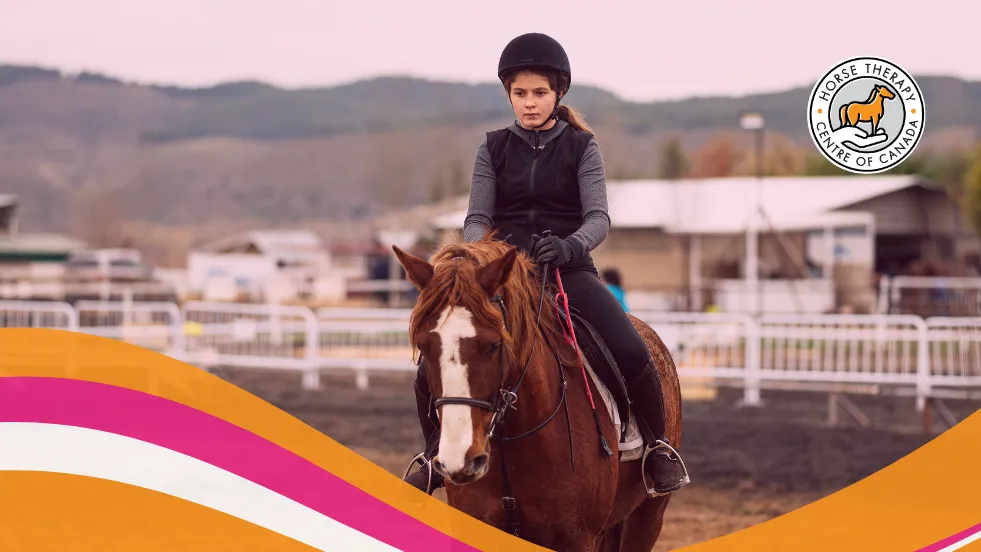
Therapeutic Riding is a guided activity where participants ride horses in a calm and supportive setting. Sessions are led by trained instructors who help riders learn how to work with the horse while building confidence and comfort step by step. The goal is not competition or advanced riding skills. Instead, Therapeutic Riding focuses on helping participants develop balance, coordination, and confidence while interacting with the horse in a safe environment.
How the Horse’s Movement Supports the Rider
One important part of Therapeutic Riding is the natural movement of the horse. As the horse walks, the rider’s body moves gently with the rhythm. This motion can help riders practice balance, posture, and body awareness in a natural way. Instructors often guide riders through simple exercises that help them sit comfortably, stay balanced, and become more aware of how their body moves.
Building Focus and Confidence Around Horses
Spending time around horses can also help participants develop focus and emotional awareness. Horses are very responsive to body language and tone of voice, which encourages riders to stay calm and attentive. Many participants find that working with horses helps them build patience, confidence, and a sense of responsibility.
Learning Through Hands-On Horse Activities
Some programs also include elements of equine-assisted learning, where participants take part in activities such as grooming, leading the horse, or preparing for a ride. These experiences allow riders to become familiar with the horse while also practicing communication, teamwork, and problem-solving skills.
The Connection Between Therapeutic Riding and Hippotherapy
In some settings, Therapeutic Riding may also connect with Hippotherapy, where licensed physical or occupational therapists use the horse’s movement as part of a therapy plan. While not every program includes Hippotherapy, both approaches use the horse’s movement and guided interaction to support development.
At Horse Therapy Centre of Canada, Therapeutic Riding sessions are introduced gradually so participants can become comfortable with the horses and the environment. Instructors guide each step of the experience, from meeting the horse and learning safety basics to developing riding skills over time. The focus is on creating a calm and welcoming space where participants can learn at their own pace and enjoy the experience of working with horses.
Misconceptions About Therapeutic Riding
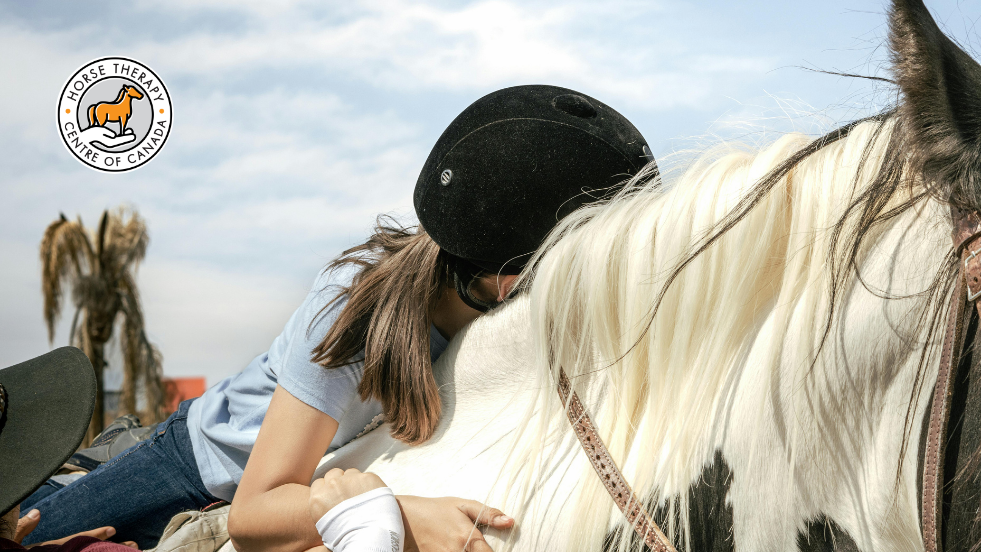
Some people think Therapeutic Riding is the same as a regular riding lesson. In reality, the goals are different. The focus is not on advanced riding skills or competitions, but on building confidence, balance, and comfort around horses.
Another common belief is that participants need riding experience before joining a program. Most Therapeutic Riding programs welcome beginners. Instructors explain each step clearly and guide participants slowly so they can feel comfortable around the horse.
Some people also assume that riding is the only activity involved in a session. In many programs, participants may also groom the horse, lead it with guidance, or learn simple tasks that help them understand how to interact with the animal.
Misunderstandings That Often Happen
Thinking participants must already know how to ride
Believing the session is only about riding skills
Assuming the program does not follow safety rules
Many programs also include activities connected to equine assisted psychotherapy or equine-assisted therapy, where interactions with horses can help participants develop awareness, confidence, and communication skills.
At Horse Therapy Centre of Canada, instructors guide each activity carefully so participants feel comfortable and understand what to do during the session. Participants are gradually introduced to the horses, learn safety basics, and take part in riding and horse-related activities in a calm and supportive environment.
What Happens During a First Therapeutic Riding Session
The first Therapeutic Riding session is meant to help participants feel comfortable and understand how the program works. Everything is introduced step by step so riders can get familiar with the horses, the environment, and the people guiding the session.
Meeting the Instructor and Support Team
The session usually begins with introductions. Participants meet the instructor and any support staff or volunteers who will be helping during the lesson. The instructor explains what the session will look like and answers any questions so everyone feels more relaxed before starting.
Learning Basic Safety Rules
Before approaching the horse, the instructor goes over important safety guidelines. Participants learn where to stand, how to move calmly around the horse, and how to follow instructions during the session. These simple steps help riders feel confident and secure. Starting with safety helps create a calm, predictable environment for both the rider and the horse.
Meeting and Getting to Know the Horse
Participants are then introduced to the horse they will be working with. The instructor may share the horse’s name and explain a bit about its personality. Riders usually take a few moments to observe the horse and get comfortable being nearby. This first interaction helps build trust and sets a positive tone for the session.
Grooming or Preparing the Horse
In some sessions, participants may help brush the horse or watch as the horse is prepared for riding. This helps riders become familiar with the horse and begin building a sense of comfort and connection. It’s also an opportunity to understand the horse’s behaviour before mounting.
Mounting the Horse With Support
When it’s time to ride, the instructor helps the participant mount the horse safely. A mounting block or assistance from staff may be used to make the process easier and more comfortable. This step ensures riders feel secure and relaxed before starting their first movements on the horse.
Practicing Simple Riding Movements
Once on the horse, the session usually begins with slow, simple movements. The horse may walk while the instructor guides the rider through basic skills like sitting balanced, holding the reins, and staying relaxed. These exercises help participants get used to the horse’s movement while building coordination and confidence.
Guidance Throughout the Session
Throughout the session, the instructor watches carefully and offers guidance as needed. If a rider feels nervous or unsure, the instructor may slow things down and provide extra support. This ongoing guidance ensures each participant can learn at their own pace while feeling safe and supported.
At Horse Therapy Centre of Canada, these steps help create a calm and welcoming first experience so participants can feel comfortable around the horses while learning the basics of Therapeutic Riding. The program focuses on helping riders build confidence, develop riding skills gradually, and enjoy a positive experience with the horses.
Who Therapeutic Riding May Be Helpful For
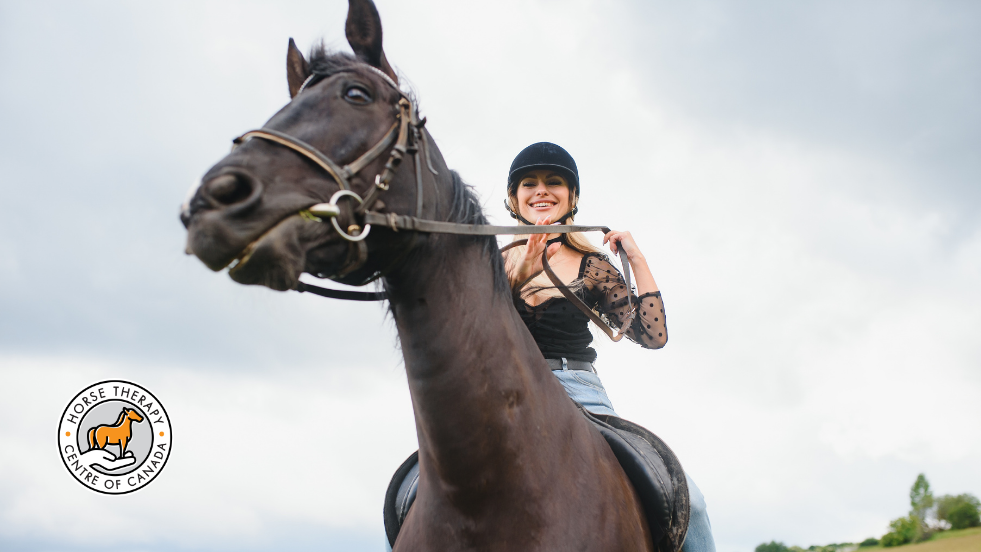
Therapeutic Riding can be helpful for many different people. Some riders are children who are working on balance, coordination, and body awareness. Others may be adults who enjoy spending time outdoors and want an activity that encourages gentle movement and focus. The experience of riding and interacting with horses can help participants build confidence while learning new skills at a pace that feels comfortable.
Programs connected to equine therapy can be especially helpful for people who learn best through hands-on experiences. Instead of only listening to instructions, participants take part in activities such as riding, grooming, or leading the horse. The horse’s natural movement, along with the outdoor setting, creates an environment that feels active and engaging. Many sessions also include elements of equine assisted learning, helping participants practice teamwork, communication, and problem-solving skills while interacting with the horse.
People who often take part in Therapeutic Riding programs include:
Children who are learning coordination and balance
Individuals who benefit from outdoor learning environments
Participants developing communication and confidence
Families looking for supportive and positive activities
Some programs also include elements of equine assisted learning, where participants practice skills like teamwork, communication, and problem-solving while working with the horse. At Horse Therapy Centre of Canada, Therapeutic Riding programs are introduced gradually so participants can feel comfortable and confident around the horses. Instructors guide each step of the experience, helping riders build balance, confidence, and riding skills while enjoying their time with the horses.
When Therapeutic Riding May Not Be the Best Fit
Although Therapeutic Riding can help many people, it may not be suitable for everyone. Horses are large animals, and working with them requires attention to safety. Participants should feel somewhat comfortable around animals and be able to follow simple instructions. Some programs may also ask for medical clearance before beginning.
Situations where Therapeutic Riding may not be appropriate include:
Individuals who feel very afraid of horses
Participants unable to follow safety instructions
Medical conditions that prevent safe riding
Programs must always balance opportunity with safety. Instructors carefully review each participant’s needs before starting sessions. At Horse Therapy Centre of Canada, staff work with families to determine if Therapeutic Riding is a good fit.
Positive Changes Participants May Experience Through Therapeutic Riding
Progress in Therapeutic Riding usually happens gradually. Riders often show small improvements over time as they become more comfortable around the horse and the riding environment. One important part of Therapeutic Riding is the horse’s natural movement. As the horse walks, the rider’s body moves gently with the rhythm. This motion can help riders practice balance, posture, and coordination in a natural way. Over time, riders may become more stable in the saddle and more aware of their body movements.
Spending time around horses can also support emotional well-being. Many participants feel calmer when interacting with animals, and working with a horse can encourage patience, focus, and confidence. Research shows that guided equine programs, including equine assisted psychotherapy, can improve emotional regulation, communication, and social skills (National Institutes of Health, 2022; Gabriels et al., 2015; Bass et al., 2009).
Possible Signs of Progress
Participants may show improvements such as:
Better balance while riding
Increased focus during activities
Greater comfort around horses
More confidence in completing tasks
At Horse Therapy Centre of Canada, instructors carefully observe each Therapeutic Riding session. They adjust activities based on the participant’s comfort level and progress. Programs are designed so riders can build skills step by step in a structured and supportive environment while maintaining strong attention to safety and horse welfare.
Why Safety Matters in Therapeutic Riding Programs
Safety is one of the most important parts of Therapeutic Riding. Because horses are powerful animals, all activities must be guided by trained staff. Programs include safety rules that protect both the rider and the horse. These guidelines help create a guided and calm learning environment.
Important safety practices
Responsible programs often include:
Selecting calm and trained therapy horses
Providing helmets and proper equipment
Giving clear instructions before each activity
Keeping trained staff nearby during sessions
Activities that involve animals must follow clear ethical guidelines and proper care for the horses. Their health, comfort, and well-being are always important. At Horse Therapy Centre of Canada, safety, instructor training, and horse welfare are key parts of every Therapeutic Riding session. Each activity is guided carefully so both riders and horses are supported in a safe and respectful environment.
Frequently Asked Questions About Therapeutic Riding
What happens during a first Therapeutic Riding session?
A first Therapeutic Riding session usually begins with a short introduction. The instructor explains how the program works and reviews basic safety rules around the horses. Participants are then introduced to the horse they will be working with, and the instructor may show how to approach the horse calmly and how to sit safely in the saddle. Most first sessions include simple riding movements or basic exercises while the instructor guides each step. At Horse Therapy Centre of Canada, first sessions are introduced slowly so participants can become comfortable with the horses and the environment before moving into riding activities.
Do you need riding experience for Therapeutic Riding?
No riding experience is needed. Many Therapeutic Riding programs welcome beginners, and instructors guide each step of the process. Riders learn gradually while building comfort and confidence around the horse. At Horse Therapy Centre of Canada, beginners are supported throughout the session so they can learn safely and feel relaxed while getting familiar with the horses.
Is Therapeutic Riding the same as Hippotherapy?
No. Hippotherapy is a clinical treatment where licensed health professionals, such as physical or occupational therapists, use the horse’s movement as part of therapy. Therapeutic Riding focuses more on guided riding activities that support balance, coordination, and confidence. At Horse Therapy Centre of Canada, Therapeutic Riding sessions are designed to help participants build riding skills while enjoying a safe and supportive environment with the horses.
Can Therapeutic Riding support emotional growth?
Yes. Some programs include activities connected to equine assisted psychotherapy or equine-assisted therapy, where working with horses can help participants become more aware of their emotions and communication patterns. Spending time with horses can also help many riders feel calmer and more focused. At Horse Therapy Centre of Canada, instructors guide these interactions carefully so participants can build confidence and develop positive connections with the horses.
How long does it take to see progress in Therapeutic Riding?
Progress in Therapeutic Riding usually happens gradually. Riders may begin to notice small improvements in balance, focus, or confidence over time as they continue attending sessions. At Horse Therapy Centre of Canada, instructors observe each participant carefully and adjust activities so riders can continue building their skills at a pace that feels comfortable.
For More Information
You may find these related articles helpful:
Hoofprints of Healing: How Equine-Assisted Therapy Transforms Lives
Empowering Neurodiverse Individuals Through Equine-Assisted Therapy
Strengthening the Mind-Body Connection Through Equine-Assisted Therapy
These articles provide additional information about the programs and approaches used at Horse Therapy Centre of Canada.
References
Bass, M. M., Duchowny, C. A., & Llabre, M. M. (2009). The effect of therapeutic horseback riding on social functioning in children with autism. Journal of Autism and Developmental Disorders. https://pubmed.ncbi.nlm.nih.gov/19350376/
Gabriels, R. L., Pan, Z., Dechant, B., Agnew, J. A., Brim, N., & Mesibov, G. (2015). Randomized controlled trial of therapeutic horseback riding in children and adolescents with autism spectrum disorder. Journal of the American Academy of Child & Adolescent Psychiatry. https://pubmed.ncbi.nlm.nih.gov/26088658/
National Institutes of Health. (2022). The power of pets: Health benefits of human-animal interactions. https://newsinhealth.nih.gov/2018/02/power-pets
Learn More About Therapeutic Riding at Horse Therapy Centre of Canada
Trying something new can feel a little uncertain, especially when it involves horses. Therapeutic riding programs are designed to make the first experience calm, supportive, and easy to follow. Participants start with simple steps and gradually build confidence as they become comfortable with the horse, the instructors, and the environment. The focus is always on safety, learning at your own pace, and helping each rider feel secure and confident.
If you want to learn more about therapeutic riding, you can contact the team at Horse Therapy Centre of Canada. They can answer your questions, explain what happens during sessions, and help you determine if therapeutic riding is a good fit for you or your family.