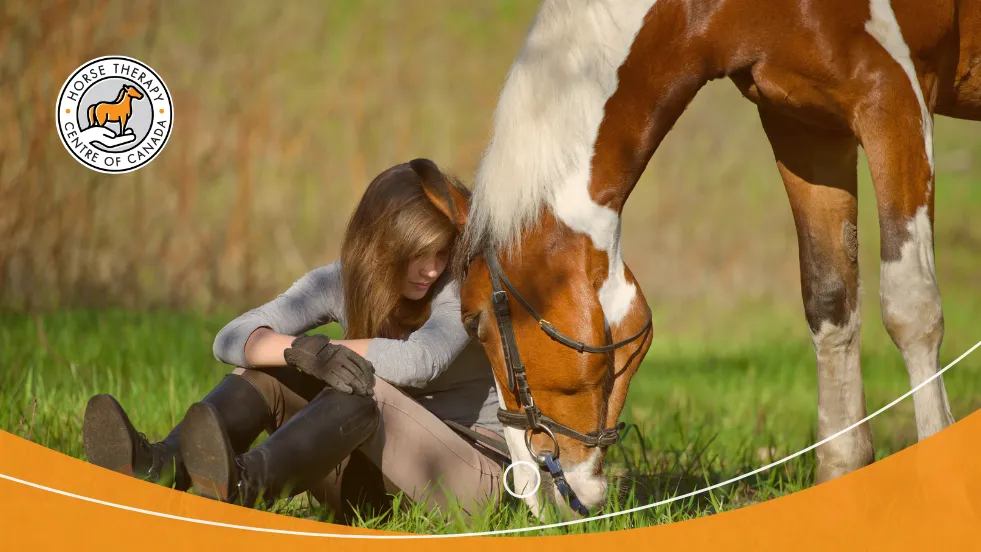
How Equine Therapy Programs Build Confidence, Awareness, and Responsibility "
Creating Growth with Equine Therapy Programs
Being around a horse brings a unique sense of calm and focus. Horses don’t judge or overreact, they respond only to what’s happening in the moment. That honest, immediate feedback can help people notice themselves and take the first steps toward meaningful change.
Many people hear about equine therapy programs and feel curious but unsure. How does working with a horse support emotional or behavioral growth? And will those benefits last beyond the session? These are key questions for anyone seeking support that leads to steady, long-term progress.
Well-designed equine therapy is more than just spending time with horses. It’s structured, goal-focused work guided by trained professionals. Sessions happen consistently, skills are practiced repeatedly, and the relationship with the horse becomes a practical way to build awareness, responsibility, and communication. This blog explores how equine therapy programs work and why thoughtful program design matters for lasting growth.
The Structure Behind Effective Equine Therapy Programs
Personal growth does not happen randomly. It happens when sessions are planned, consistent, and guided by experienced professionals. In effective equine therapy programs, there is a clear plan for what each person is working on and how each session supports that goal.
These programs are led by trained mental health professionals and a certified practitioner in equine-assisted therapy. Everyone on the team knows their role, and sessions are carefully planned rather than casual activities with a horse. Every part of the session has a clear purpose, helping participants learn and practice skills safely and effectively.
Clear Goals and Ongoing Review
Each participant starts with specific goals, such as managing frustration, improving communication, building confidence, or learning responsibility. These goals are written down and reviewed regularly to track progress.
Every session ties back to those goals. Activities are chosen carefully, and after working with the horse, participants reflect on what happened and what it means. Progress is measured over time, not judged by a single good or difficult session.
Unlike regular horse riding lessons, structured equine therapy programs always have a clear purpose behind every activity, ensuring that each experience supports growth and learning.
Consistency Builds Stability
Most participants attend weekly sessions over several months, following a consistent schedule and familiar format. This predictability helps reduce anxiety, build trust, and create a safe space for learning. Participants begin to feel more comfortable and confident as routines become familiar.
The horse also becomes familiar with the participant over time. As participants interact regularly, they start to notice how their tone, posture, and emotions influence the horse’s responses. This immediate, honest feedback helps participants develop greater self-awareness and understand how their actions affect others.
At Horse Therapy Centre of Canada, our equine therapy programs follow a clear and organized plan. Goals are individualized, sessions are documented, and progress is reviewed carefully. Our mental health professionals work alongside trained equine specialists so that each session builds on the last one. This steady approach helps support growth that continues beyond the program.
The Role of Relationship in Equine-Assisted Therapy
At the heart of equine-assisted therapy is the relationship between the participant and the horse. Horses respond honestly to human behavior, they don’t judge, label, or criticize. Instead, they react to tone, body language, and clarity of communication.
For many participants, this is the first time they experience feedback that feels direct yet gentle. The horse’s response provides immediate insight, helping people notice how their actions and emotions affect others.
Why the Horse’s Response Matters
Horses are highly aware of their environment. They notice small shifts in posture and emotion. If someone approaches with tension, the horse may step away. If someone slows down and becomes calm, the horse often responds positively.
This creates a simple learning pattern:
Notice your emotional state: recognize how you are feeling and how it shows in your body.
Adjust your behaviour: make small changes, like slowing your movements or calming your tone, to interact more effectively.
Observe how the horse responds: see the immediate effect of your actions, which helps you understand the connection between your emotions, behaviour, and outcomes.
Over time, this repeated cycle strengthens emotional awareness.
Kendall et al. (2015) found that structured equine-assisted interventions were linked to improvements in areas such as self-esteem and emotional regulation when guided professionally.
Relationship-building is never rushed at Horse Therapy Centre of Canada . Participants are given time to develop trust with both the horse and the facilitator. Certified practitioners guide reflection thoughtfully, helping participants see how what happens in the arena relates to their daily life. This connection is where lasting growth begins.
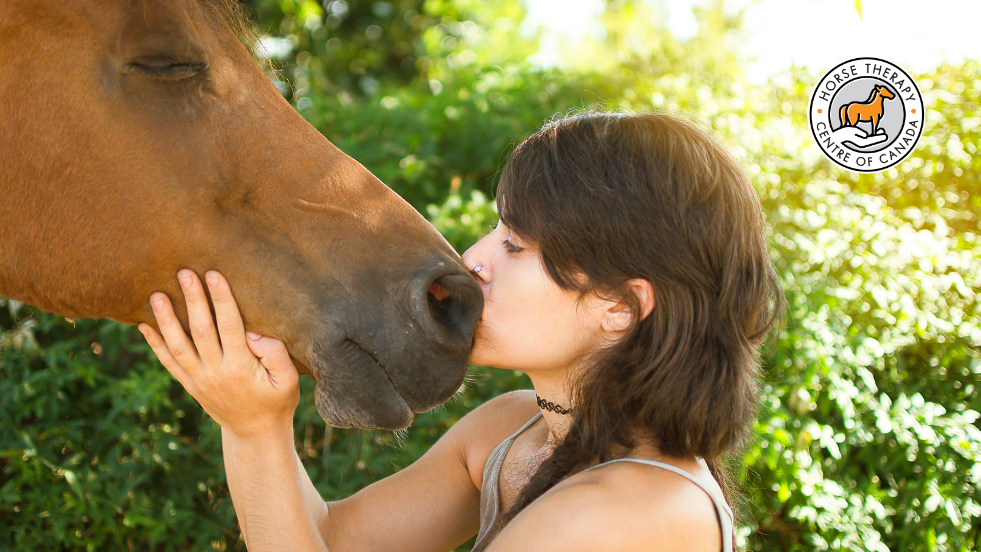
Emotional Awareness Through Ground Exercises
Many people assume that riding is the main part of equine therapy, but much of the learning happens on the ground. Working alongside the horse helps participants build focus, patience, and confidence in a safe, controlled environment. They also learn how their actions and emotions affect the horse, which increases self-awareness.
Ground exercises include leading, grooming, guiding through obstacles, and structured tasks. Structured tasks are simple, planned activities with clear goals, like stopping and starting on cue, following a set path, or keeping the right distance from the horse. These exercises help participants practice focus, communication, and emotional control.
Why Ground Exercises Work
When working on the ground, participants must:
Communicate clearly
Stay calm
Adjust when something does not go as planned
Practice patience
These are practical life skills. They cannot be rushed.
Because the horse responds right away, participants quickly see the results of their actions. If they become frustrated, the horse may disengage. If they stay calm, the horse often reconnects. Punzo (2022) described improvements in emotional and social outcomes among participants in structured equine-assisted therapy programs.
Ground exercise at Horse Therapy Centre of Canada are chosen carefully based on each person’s goals. We explain why each activity matters. We focus on steady skill development rather than dramatic moments. This practical approach supports growth that continues over time.
Responsibility and Accountability in Real Time
One of the most noticeable outcomes in equine therapy programs is that participants begin to take more responsibility for their actions. Working with a horse requires focus, care, and attention, and the horse responds directly to how the participant behaves. These real-life responsibilities help participants see that their actions have immediate consequences, building accountability and confidence.
Caring for a horse includes:
Grooming: brushing and cleaning the horse teaches attention to detail and helps participants understand the horse’s needs.
Preparing equipment: setting up saddles, bridles, or leads requires organization and careful planning.
Cleaning up: maintaining a safe and tidy environment reinforces habits of responsibility and respect.
Following safety guidelines: learning and following rules keeps both the participant and the horse safe during every interaction.
These tasks are real and meaningful. They matter because the horse depends on consistent care and clear communication. Completing them successfully helps participants feel capable, encourages pride in their efforts, and reinforces the connection between their actions and results.
Why Responsibility Lasts
In talk-based therapy, responsibility is discussed. In equine-assisted therapy, it is practiced.
If a lead rope is not secured properly, the horse may walk away. If grooming is rushed, the horse may show discomfort. These moments are not meant to embarrass anyone. They are learning experiences.
Lentini and Knox (2015) reviewed equine-facilitated psychotherapy with children and adolescents and found positive engagement and behavioural changes when programs were structured and age-appropriate.
At Horse Therapy Centre of Canada, responsibility is introduced gradually and safely. Participants are supported at all times. Our equine therapy programs focus on safety, respect, and consistency. Accountability is built through guidance, not pressure.
Skill Development Beyond the Arena
The purpose of equine therapy programs is not just to improve skills at the barn, the goal is for participants to carry those skills into everyday life. Working with a horse provides opportunities to practice behaviors and strategies that translate to other settings.
Participants often build:
Stronger communication skills: learning to give clear cues to the horse helps participants express themselves more effectively with people.
Better frustration tolerance: staying calm when a horse doesn’t respond as expected teaches patience and persistence.
Improved problem-solving: figuring out how to guide or redirect a horse encourages creative thinking and flexibility.
Increased confidence: successfully handling responsibilities with a large animal helps participants feel capable in other areas of life.
The key question is whether these skills carry over beyond the sessions. Structured programs and guided reflection help ensure that the growth seen in the arena supports real-life challenges and opportunities.
Connecting Sessions to Daily Life
After activities, facilitators guide reflection. Questions may include:
What did you notice when the horse stopped responding?
How does that compare to situations at school or work?
These conversations help participants apply what they learn.
Reflection is a key part of equine-assisted therapy sessions. At Horse Therapy Centre of Canada, mental health professionals guide participants through processing time, helping them understand what they practiced and how to apply those skills in daily life. This step is essential for supporting long-term growth.
Integration Within Residential Treatment Programs
In some situations, equine therapy programs are included as part of larger residential treatment programs. This means a person is living at a treatment center and receiving daily support. Equine-assisted therapy becomes one part of their overall care plan.
When this is organized well, everyone is working toward the same goals. The skills practiced during equine-assisted therapy support what is being worked on in individual therapy, group sessions, and daily routines. The support feels connected instead of separate.
Why Working Together Matters
When the care team communicates clearly:
The same goals are reinforced everywhere
Expectations stay consistent
Progress is easier to track
Skills are practiced more often
This makes learning stronger. The person is not starting over in each setting. They are practicing the same skills in different ways, which helps those skills become part of everyday life.
Horse Therapy Centre of Canada works with referring professionals when appropriate and with consent. EAT sessions are designed to support existing treatment plans, not replace them. We focus on clear communication, ethical practice, and steady support so participants experience consistent care.
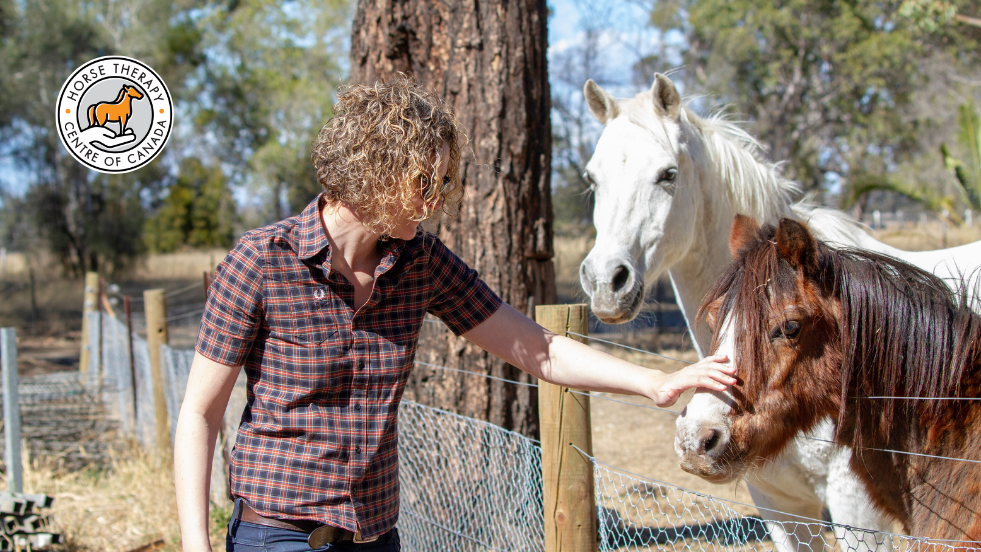
The Importance of Qualified Professionals
Not all equine therapy experiences are the same. Training, credentials, and oversight make a real difference. Because this work involves both people and horses, programs must be led by individuals who understand mental health, safety, and ethical practice.
Strong equine therapy programs are typically supported by a team that includes:
A licensed or registered mental health professional
A trained equine specialist
A certified practitioner in equine-assisted therapy
Each role matters. The mental health professional focuses on emotional and behavioural goals. The equine specialist ensures safe and appropriate interaction with the horse. A certified practitioner has specific training in equine-assisted approaches. Clear safety guidelines protect both participants and horses at all times.
Ethical and Safety Standards
Professional programs do not rely on informal practice. They follow clear procedures to reduce risk and protect everyone involved.
High-quality programs include:
Risk assessments before participation
Emergency procedures that staff are trained to follow
Informed consent so participants understand the process
Clear professional boundaries
Horse welfare is equally important. Ethical EAT respects the physical and emotional well-being of the horses. They are not tools. They are carefully selected partners in the process.
The professional team at Horse Therapy Centre of Canada meets established standards, with safety procedures reviewed and applied consistently. Horses are carefully selected and monitored to ensure they are suitable for therapeutic work. This foundation of professionalism supports responsible care and helps participants feel safe and confident throughout the process.
Why Growth Often Continues After the Program Ends
One common pattern in well-designed equine therapy programs is that growth continues even after sessions end. This does not happen by chance. It happens because participants leave with skills they have practiced repeatedly, not just ideas they have talked about.
During the program, participants have:
Practiced managing emotions in real time
Communicated clearly in hands-on situations
Taken responsibility for real tasks
Reflected on behaviour patterns in a safe setting
These repeated experiences help learning feel practical. Skills are not theoretical. They have been used, tested, and adjusted over time. That makes them easier to carry into everyday life.
At Horse Therapy Centre of Canada, we prepare participants for closure thoughtfully. Goals are reviewed, and next steps are discussed clearly. We focus on realistic expectations and continued practice outside of sessions. We do not promise permanent change. We support steady growth that individuals can continue building on.
FAQs About Equine Therapy Programs
What are equine therapy programs?
Equine therapy programs are structured services that use guided interaction with horses to support emotional, behavioral, and social development. Sessions are led by trained professionals, with clear goals and opportunities for reflection. At Horse Therapy Centre of Canada, these programs are designed to combine hands-on experiences with thoughtful guidance, helping participants build practical skills that carry over into everyday life.
How are equine therapy programs different from riding lessons?
Riding lessons focus on learning to ride and control a horse. Equine therapy programs focus on emotional, behavioral, and social growth. At Horse Therapy Centre of Canada (HTCC), much of the work happens on the ground through guided exercises and reflection with mental health professionals, helping participants apply what they learn to everyday life.
Are equine therapy programs evidence-informed?
Published reviews, including studies by Kendall (2015) and Lentini and Knox (2015), show that structured, professionally guided equine-assisted therapy can produce positive psychological and behavioral outcomes. Success depends on the quality and consistency of the program. Programs at Horse Therapy Centre of Canada follow these evidence-based practices, combining skilled facilitation with structured sessions to support measurable emotional and behavioral growth.
Who can benefit from equine therapy?
Children, adolescents, and adults dealing with challenges like emotional regulation, anxiety, trauma, or social difficulties can benefit from equine therapy. Programs may also support individuals participating in residential treatment programs. Sessions at Horse Therapy Centre of Canada are designed to meet the needs of a wide range of participants, combining structured activities and guided reflection to help people build skills that carry over into daily life.
Is equine-assisted therapy safe?
When sessions are led by trained certified practitioners and follow clear safety protocols, equine-assisted therapy is designed to keep both participants and horses safe. Activities are carefully supervised and adapted to match each participant’s abilities and comfort level. Safety is a key focus at Horse Therapy Centre of Canada (HTCC), where structured procedures and experienced staff ensure every session is secure and supportive.
For More Information
You may find these related blogs helpful:
Fascinating Facts About Equine Therapy: Unveiling the Healing Power of Horses
Healing with Horses: How Equine-Assisted Therapy Provides Lasting Relief from Anxiety
Stress Management Through Equine-Assisted Therapy: A Natural Path to Calm and Balance
Breaking Free from Trauma: How Equine-Assisted Therapy Restores Healing and Resilience
Finding Balance: How Equine-Assisted Therapy Promotes Personal Growth and Well-Being
Horse Therapy Centre of Canada regularly shares educational content to support individuals and professionals in understanding this field. Our goal is to provide clear, practical information to help you make informed choices.
References
Kendall, E., Maujean, A., Pepping, C. A., Downes, M., Lakhani, A., Byrne, J., & Macfarlane, K. (2015). A systematic review of the efficacy of equine-assisted interventions on psychological outcomes. European Journal of Psychotherapy & Counselling. https://doi.org/10.1080/13642537.2014.996169
Lentini, J. A., & Knox, M. (2015). A qualitative and quantitative review of equine facilitated psychotherapy (EFP) with children and adolescents. Journal of Creativity in Mental Health, 10(3), 278–305. https://doi.org/10.1080/15401383.2015.1023916
Punzo, K. (2022). Experiences of an equine-assisted therapy intervention: Psychological and social outcomes among participants. Archives of Psychiatric Nursing, 43, 370–378. https://www.tandfonline.com/doi/full/10.1080/01612840.2022.2126571
Finding the Right Equine Therapy Program
Every person comes to equine therapy programs with their own goals, experiences, and expectations. Understanding how the program is structured and delivered can help you decide if it’s the right fit. Knowing what to expect from sessions, activities, and the overall approach makes it easier to feel comfortable and engaged in the process.
Horse Therapy Centre of Canada provides clear information about program structure, safety practices, and how equine-assisted therapy fits into supportive care. If you want to learn more, you can contact HTCC to ask questions and get details about the services they offer. Reviewing these details helps families and participants determine whether the program meets their needs and goals.