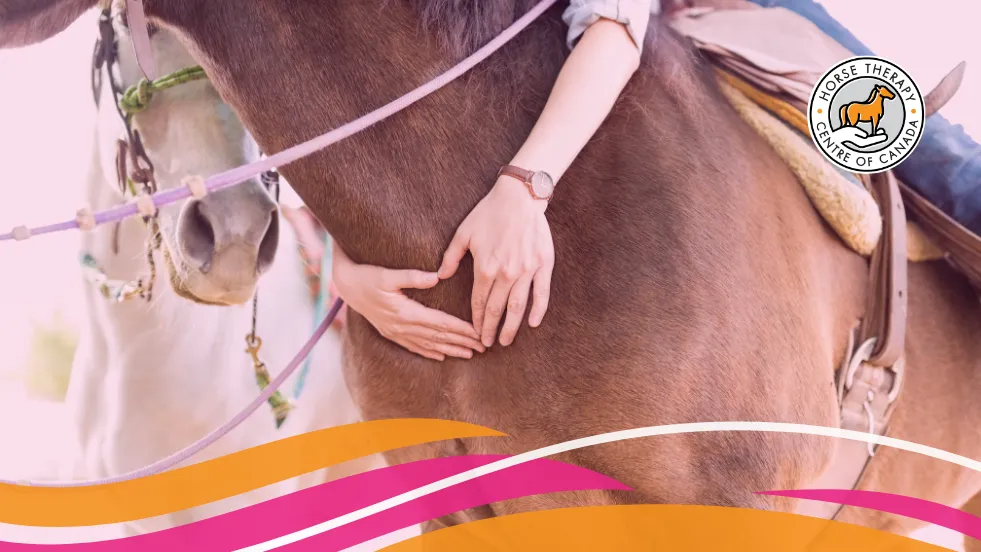
Mental Health Conditions Can Improve When Support Goes Beyond Traditional Therapy
Understanding Mental Health Conditions and New Support Approaches
Mental health conditions such as anxiety, depression, trauma, and emotional stress can affect how a person thinks, feels, and interacts with others. These challenges may influence daily routines, relationships, and overall well-being. Traditional support often includes counseling, behavioural therapy, and sometimes medication. These forms of care are still important and helpful for many people.
At the same time, some individuals benefit from learning experiences that happen outside a typical therapy office. Activities that involve movement, reflection, and real-life interaction can help people understand their emotions in a more practical way.
One approach that has gained attention is equine-assisted therapy. In this approach, participants take part in guided activities with horses that help build emotional awareness, communication skills, and confidence. Instead of only talking about emotions, participants learn through hands-on experiences.
Have you ever noticed how animals react to a person’s feelings without anyone saying a word? Horses are especially sensitive to body language and emotional signals. Because of this, equine therapy can help people notice patterns in how they behave and respond, which may be connected to different mental health conditions.
In this blog, the focus is on how equine-assisted therapy can support mental health conditions, improve emotional awareness and communication, and build confidence through hands-on activities with horses, while showing how programs and horses for mental health create a safe and supportive space for growth
Common Mental Health Conditions Addressed in Equine-Assisted Therapy
Individuals who are interested in equine-assisted therapy often want to know what kinds of mental health challenges these programs may help with. Equine programs are not meant to replace medical care or counseling. Instead, they can be used alongside traditional therapy to help participants practice emotional awareness, communication, and self-control in a supportive setting.
People join equine programs for many different reasons. Some are looking for ways to manage stress or anxiety, while others want to build confidence, handle emotions more calmly, or improve their communication with others.
Mental Health Conditions Often Explored in Equine Programs
Anxiety and chronic stress
Anxiety and chronic stress are common mental health conditions that can cause ongoing worry, tension, and difficulty focusing. Activities with horses encourage calm breathing, slower movement, and attention to the present moment, which can help participants practice staying grounded.
Depression and low mood
Depression is a mental health condition that may affect motivation, mood, and energy levels. Simple activities such as grooming or leading a horse can help participants reconnect with routine and purposeful action.
Trauma and stress-related conditions
Trauma and stress-related mental health conditions can affect trust, emotional safety, and relationships. Structured interaction with horses allows trust to develop gradually while participants observe how calm communication influences the horse’s response.
Emotional regulation difficulties
Emotional regulation challenges involve difficulty managing strong emotions such as anger, frustration, or fear. Horses respond clearly to emotional cues, helping participants become more aware of their reactions and practice slowing down.
Social and communication challenges
Social and communication difficulties can affect confidence and interaction with others. Working with horses encourages patience, observation, and clear communication, which may help participants develop stronger social awareness.
Guided activities at Horse Therapy Centre of Canada allow participants to explore different ways of managing mental health conditions. Working closely with horses provides hands-on experiences that encourage emotional awareness, calm communication, and self-reflection. These interactions help individuals practice patience, focus, and confidence in a safe and supportive environment. Over time, the skills learned during sessions can carry over into everyday life, offering practical strategies for handling stress, improving relationships, and building personal growth.
How Equine-Assisted Therapy Supports Mental Health Conditions
Equine-assisted therapy helps people learn about their emotions and behaviour by working with horses. During these sessions, participants take part in simple activities with a horse while paying attention to how they feel and react.
Unlike traditional therapy that mostly involves talking, equine programs focus on learning through experience. Participants begin to see how their body language, voice, and emotions can affect how a horse responds.
Examples of Equine-Assisted Therapy Activities
Grooming a horse
Leading a horse during guided exercises
Watching how horses behave with each other
Talking with a facilitator about what happened during the activity
These activities can create important learning moments. For example, if someone approaches a horse calmly, the horse may stay relaxed. If a person feels nervous or rushed, the horse may move away. This helps participants notice how their emotions and behaviour affect the interaction.
Equine programs often include guidance from trained facilitators who help participants reflect on their experiences with each activity. At Horse Therapy Centre of Canada, these sessions with horses are designed to encourage calm communication, emotional awareness, and practical understanding of how behaviours and emotions connect.
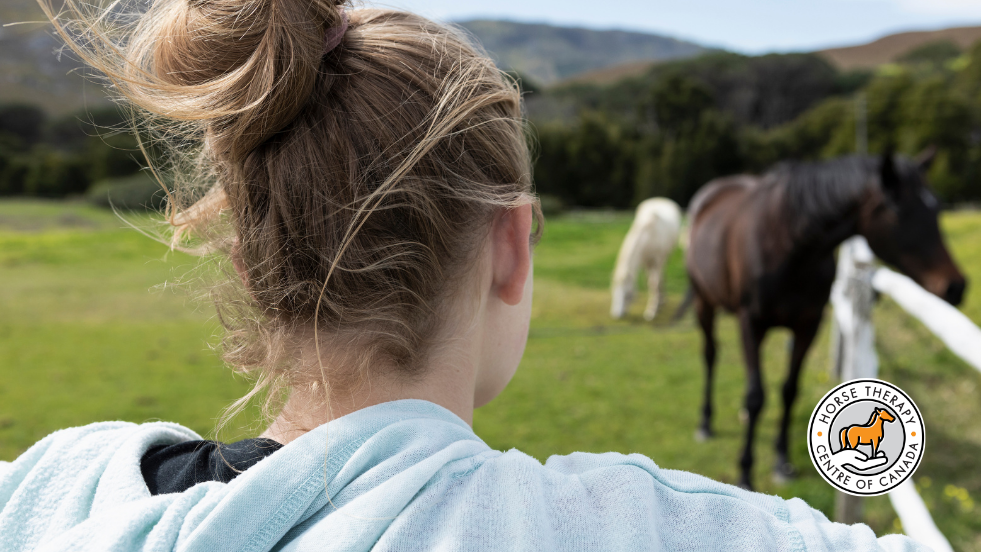
Emotional Awareness and Regulation Through Equine Therapy
One important goal of equine therapy is to help participants develop emotional awareness. Emotional awareness means recognizing feelings and understanding how those emotions influence behaviour and communication.
Horses are very sensitive to human emotions. If someone approaches a horse with nervous or tense energy, the horse may move away or become cautious. When the person becomes calmer and more focused, the horse often responds more comfortably. This natural reaction can help participants notice how their emotions affect their actions.
Skills Participants May Develop
Recognizing emotions during interactions
Practicing calm communication
Understanding body language
Building patience and focus
These skills are practiced repeatedly during sessions, helping participants become more aware of emotional patterns over time.
Equine programs often include guidance from trained facilitators who help participants reflect on their experiences with each activity. At Horse Therapy Centre of Canada, these sessions with horses are designed to encourage calm communication, emotional awareness, and practical understanding of how behaviours and emotions connect. This hands-on approach allows participants to practice new skills in a safe, supportive environment, making it easier to apply what they learn in everyday life.
The Role of Horses in Mental Health Support
Horses play an important role in therapeutic programs because they respond quickly to human body language and emotional signals. When people interact with horses, they often notice how their posture, tone, or confidence affects the horse’s reaction. This immediate response can help participants reflect on their behaviour and communication style. Anastasya et al. (2024) explain that structured equine therapy activities can support emotional awareness and behavioural reflection when guided by trained facilitators.
How Horses Respond to People
Horses communicate mainly through body language and movement. Because of this, they are very sensitive to small changes in human behaviour.
For example:
Calm behaviour often helps the horse stay relaxed
Tension or hesitation may cause the horse to step away
Clear body language helps improve communication
Patience can lead to better interaction with the horse
These responses provide immediate feedback that participants can reflect on during the session.
Learning Through Interaction
Equine-assisted activities help participants learn by working directly with horses. During these activities, people pay attention to what they feel and how the horse responds. Simple tasks like grooming a horse, leading a horse, or quietly watching horses can help participants notice how their emotions affect the interaction.
These moments often help people understand their reactions more clearly. Participants may begin to see how their behaviour during the activity is similar to how they respond in everyday situations.
Horses play a central role in supporting mental health because they respond directly to human body language and emotional signals. At Horse Therapy Centre of Canada, participants engage with horses in guided activities that highlight this connection. By observing how a horse reacts to calmness, tension, or hesitation, individuals gain insight into their own emotional patterns. These interactions allow participants to practice emotional awareness and self-regulation, showing in real time how feelings and behavior affect both themselves and others.
Collaboration With Mental Health Professionals
Equine programs are often most effective when they work alongside traditional therapy. Many programs collaborate with trained mental health professionals who help guide therapeutic goals. Professionals such as counselors, therapists, or behavioural specialists may help design the program or support participants during sessions.
Ways mental health professionals support equine programs
Setting goals for participants
Supporting reflection during sessions
Monitoring emotional responses
Connecting equine activities with ongoing therapy
This collaboration helps ensure the program remains safe and supportive. Working with horses in a therapy setting is usually guided by trained facilitators and supported by mental health professionals. These guided activities help create a safe and supportive space where participants can explore their emotions and communication skills.
Building Confidence Through Experiential Learning
Many people who join equine programs begin to notice small changes over time. Participants may feel more confident, become more aware of their emotions, and learn better ways to manage stress. This often happens because the activities involve working directly with horses. Instead of only talking about feelings, participants learn through real experiences with the horse.
Experiential learning simply means learning by doing. In equine programs, participants take part in activities with horses and pay attention to how the horse responds. These activities often require calm communication, patience, and focus. Over time, these experiences can help participants understand their reactions and build confidence step by step.
Examples of experiential learning activities may include:
Leading a horse during a guided activity
Practicing calm body language around the horse
Grooming or helping with basic horse care
Talking about how the horse responded during the activity
These activities encourage participants to stay patient, focused, and aware while working with the horse.
Collaboration with mental health professionals is an important part of equine-assisted programs at Horse Therapy Centre of Canada. These programs often work alongside counselors, therapists, or behavioral specialists who help set goals, support reflection, and monitor participants’ emotional responses. By combining the expertise of mental health professionals with guided horse activities, HTCC creates a safe, structured space where participants can explore their emotions, practice communication skills, and gain confidence through hands-on learning.
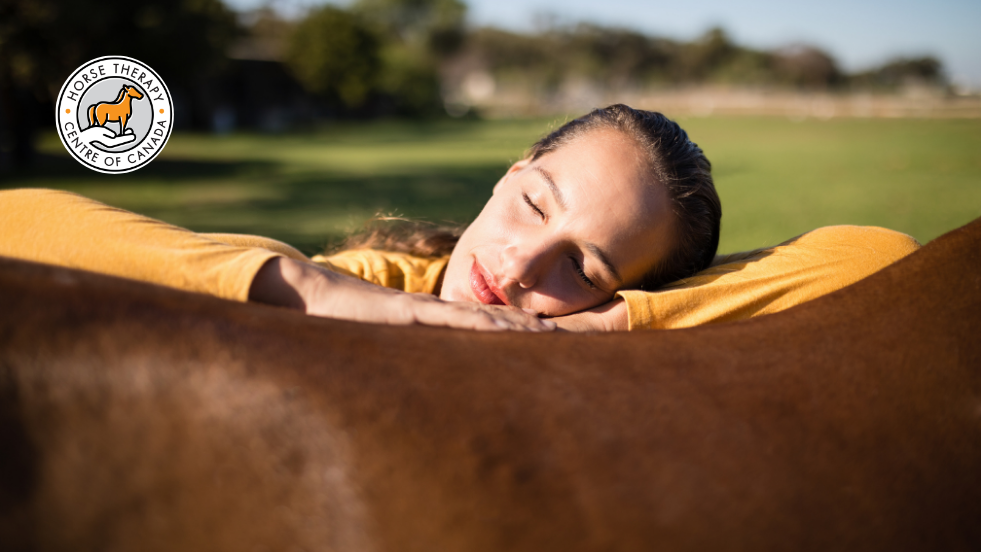
The Structured Process Behind Equine-Assisted Therapy
Even though equine programs may look calm and relaxed, equine-assisted therapy usually follows a clear and organized structure. Each session is planned carefully so participants can interact with horses safely and take time to think about their experience. Activities are designed to help participants observe their behaviour, practice communication, and reflect on what they learn while working with the horse.
In many equine therapy programs, participants move through a simple process that includes observing the horse, interacting with the horse during guided activities, and discussing the experience afterward. This step-by-step approach helps participants connect what happened during the activity with their emotions and behaviour. Research suggests that structured equine therapy sessions help participants learn through real experience while facilitators guide the process and maintain safety (Moshe-Grodofsky, 2025).
Key Elements of Structured Equine Therapy Sessions
Clear goals for each session
Guided interaction with horses
Time to reflect and discuss the activity
Strong safety practices
Equine-assisted therapy sessions are carefully planned to help participants see how their actions relate to their feelings and behaviour, while keeping everyone safe. In programs at Horse Therapy Centre of Canada, participants work with horses, take time to reflect, and get gentle guidance. This makes it easier to learn skills like emotional awareness, calm communication, and confidence in a hands-on, supportive setting.
Frequently Asked Questions
How can equine-assisted therapy support mental health conditions?
Equine-assisted therapy helps participants notice their emotions and how they communicate with others. By interacting with horses and observing their responses, people can better understand their behaviour and feelings. At Horse Therapy Centre of Canada, guided sessions with horses are paired with reflection and discussion, helping participants explore emotional awareness in a safe and supportive environment.
What mental health conditions may benefit from equine therapy?
Equine therapy can support individuals experiencing anxiety, stress, trauma, or difficulty managing emotions. Activities encourage confidence, emotional awareness, and clear communication. Many participants also combine these programs with counseling or other support. Horse Therapy Centre of Canada offers equine-assisted therapy designed to complement existing care while providing hands-on opportunities to practice emotional skills.
How do horses help people with mental health challenges?
Horses respond naturally to body language and emotions, providing immediate, honest feedback. This can help participants notice patterns in their behaviour and learn how their actions affect the situation. In programs at Horse Therapy Centre of Canada, horses are integrated into guided exercises that promote observation, calm communication, and reflection, helping participants understand themselves better through real-life interaction.
Do mental health professionals work with equine therapy programs?
Yes, many equine therapy sessions involve collaboration with trained mental health professionals. These experts help set goals, support reflection, and ensure participants are safe and guided toward personal growth. At Horse Therapy Centre of Canada, facilitators work alongside mental health professionals to create structured, supportive sessions that combine therapeutic guidance with hands-on interaction with horses.
For More Information
You may also find these Horse Therapy Centre of Canada articles helpful:
Strengthening the Mind-Body Connection Through Equine-Assisted Therapy
Empowering Neurodiverse Individuals Through Equine-Assisted Therapy
Breaking Free from Trauma: How Equine-Assisted Therapy Restores Healing and Resilience
These resources explore how equine-assisted programs support learning, emotional awareness, and personal development.
References
Anastasya, K. S., Syamsuddin, I. G., Faradilla, M. A., Zefanya, Larasari, A., Satyasari, D., Yohana, Tungka, E. X., Liman, P., Yuliana, Assegaf, A. F., Surya, R. R., Sapari, E., Aminurrohman, A., & Imawan, I. A. (2024). Mechanisms and benefits of equine therapy for enhancing mental health. Research & Development, 5(1), 40–43. https://www.sciencepublishinggroup.com/article/10.11648/j.rd.20240501.16
Beishuizen, D. J. (2024). The effectiveness of equine therapy on mental health outcomes (Master’s thesis, University of Arizona). University of Arizona Repository. https://repository.arizona.edu/handle/10150/672836
Moshe-Grodofsky, M. (2025). Equine-assisted therapy development: Methodology and rationale. In Y. Neria, P. W. Fisher, & A. J. Hamilton (Eds.), Guide to equine assisted therapy (pp. 75–96). Springer Nature Switzerland AG. https://doi.org/10.1007/978-3-031-74426-6_4
Explore Equine Therapy for Mental Health Conditions
Finding new ways to manage mental health conditions often works best when learning happens through hands-on, supportive experiences. Equine-assisted therapy uses horses for mental health to help participants build self-awareness, improve communication, and practice confidence in a calm, guided setting. These experiences allow skills learned during sessions to feel meaningful and practical.
Horse Therapy Centre of Canada provides a safe and encouraging environment where participants can connect what they practice with real-life situations. Through structured sessions and reflection, participants gain insight into their emotions and behaviour while working with the horses. Contact HTCC to learn more about programs and upcoming opportunities.