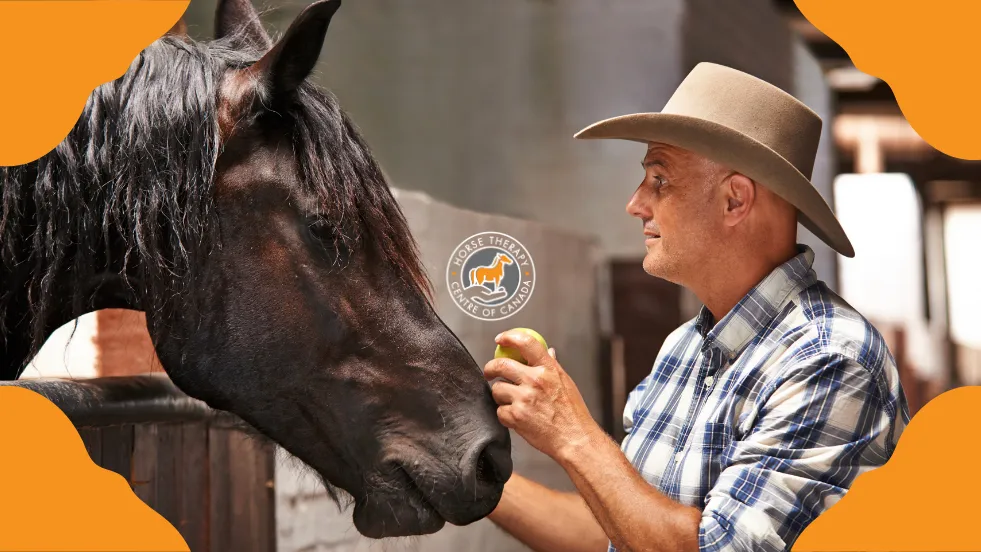
Equine-Assisted Learning: Mastering Conflict Resolution with Horses
Can Horses Teach Us to Resolve Conflicts?
Conflict is an inevitable part of life. Whether it's in our personal relationships, workplaces, or communities, how we approach and resolve conflicts determines much of our well-being. In today's fast-paced world, many of us are struggling with stress, misunderstandings, and tensions, often feeling unequipped to manage them effectively.
But what if there was a way to learn how to resolve conflicts with more clarity, patience, and emotional intelligence? What if the key to mastering conflict resolution lay in an unexpected place, the presence of horses?
Equine-Assisted Learning (EAL) offers a transformative approach to improving interpersonal skills, and it’s gaining momentum as an innovative method for managing conflicts. Through Equine therapy conflict resolution participants learn how to communicate, manage stress, and develop the tools necessary to navigate even the toughest situations with ease and cooperation. Horse-assisted negotiation training fosters peaceful resolutions, increases emotional intelligence, and promotes healthier relationships.
In this blog, we’ll explore how equine therapy conflict resolution can reshape how you view and handle conflicts. You’ll discover how horses can be your teachers in building stronger negotiation and communication skills and learn how these practices can be applied to your personal and professional life.

What is Equine-Assisted Learning (EAL)?
Equine-Assisted Learning is a powerful therapeutic technique that uses horses to help individuals develop critical life skills. Unlike traditional therapy methods that often focus on verbal communication, EAL takes advantage of the unique bond between humans and horses to foster personal growth. Through hands-on interaction with horses, individuals gain insights into their emotional responses, communication styles, and behaviors.
Horses are incredibly intuitive animals. They respond to human energy, body language, and emotions. As prey animals, horses are constantly aware of their surroundings and the emotional states of those around them. This sensitivity makes them perfect for helping individuals improve their self-awareness and emotional regulation, essential components of resolving conflicts.
Through equine therapy conflict resolution participants engage in activities designed to build trust, foster cooperation, and enhance communication. Horses offer a non-judgmental space for individuals to practice managing emotions, resolving misunderstandings, and collaborating with others.
How Does Equine Therapy Help with Conflict Resolution?
1. Building Emotional Awareness
One of the primary benefits of equine therapy conflict resolution is the development of emotional awareness. Horses are incredibly sensitive to human emotions and can mirror the emotional state of an individual. For example, if a person is tense, anxious, or frustrated, a horse might become agitated, offering immediate feedback on the individual’s emotional state.
This real-time emotional feedback helps participants recognize their feelings and triggers, allowing them to address conflicts in a more balanced and controlled manner. As individuals become more aware of their emotions, they can work on regulating them, preventing them from escalating conflicts further.
2. Improving Communication Skills
Horses communicate through body language, and so do humans, albeit in a less conscious and more complex way. Horse-assisted negotiation training teaches participants how to communicate effectively without relying solely on words. Since horses respond to energy, posture, and body language, individuals are encouraged to adopt clear, open, and calm physical communication.
The interaction with horses helps participants recognize the importance of non-verbal communication in conflict resolution. Whether in a workplace meeting, family discussion, or community setting, the ability to communicate through body language and energy is often more powerful than words.
3. Building Trust and Cooperation
Trust is at the heart of any conflict resolution process. Horses do not respond well to force or intimidation; they require clear and consistent communication. Working with horses teaches participants the importance of trust and cooperation. The process of building a relationship with a horse involves patience, empathy, and respect, all qualities that are vital in resolving conflicts effectively.
In equine therapy conflict resolution individuals learn that resolving conflicts requires more than just “winning” an argument; it involves creating win-win situations where both parties feel heard, respected, and understood.
4. Learning Patience and Persistence
Horses don’t respond to hurried or anxious actions. They require patience and persistence. In horse-assisted negotiation training, individuals learn that resolving conflicts, like working with horses, takes time and sustained effort. This lesson translates directly into human interactions, where patience is often the key to defusing tension and reaching peaceful resolutions.
Through this training, individuals are encouraged to slow down, observe, and remain persistent, knowing that resolving conflicts often requires repeated attempts and steady progress.
Why Choose Equine-Assisted Learning for Conflict Resolution?
The Unique Benefits of EAL for Conflict Management
Immediate Feedback
Horses respond instantly to changes in energy, posture, or emotion, providing immediate feedback. This allows individuals to gain real-time insight into their emotional states and reactions, helping them adjust their behavior before a conflict escalates.Increased Self-Awareness
By engaging with horses, individuals learn to observe and understand their own emotions and behaviors. This heightened self-awareness allows them to navigate conflicts more effectively by making intentional, informed choices.Safe, Non-Judgmental Environment
Horses provide a safe, supportive space for individuals to explore their emotions without the fear of judgment or criticism. This unique environment encourages honesty, openness, and vulnerability, which are essential for addressing and resolving conflicts in a healthy way.Enhanced Communication Skills
Horse-assisted negotiation training promotes non-verbal communication, teaching participants how to communicate clearly, calmly, and effectively in high-pressure situations. This is especially important when navigating difficult conversations or disagreements.

Cooperation Over Competition: A New Approach to Conflict
Equine-assisted conflict resolution is rooted in a transformative perspective that emphasizes collaboration over competition. This new approach to negotiation promotes a shift away from the traditional "win-lose" mentality, favoring solutions where all parties benefit. Through equine therapy conflict resolution, participants learn valuable skills that can be applied to both personal and professional life.
Key Elements of Cooperation Over Competition
Collaboration: The primary goal of successful negotiation is to find mutually beneficial solutions that respect the needs and values of all involved parties.
Empathy: Understanding the other person’s perspective is essential in reaching a peaceful resolution. By working together, individuals can create outcomes that benefit everyone involved.
Horses, as prey animals, inherently seek harmony and balance in their environment. This instinctual drive for peace translates into powerful lessons in horse-assisted negotiation training. By interacting with horses, individuals learn:
Working Together: Instead of focusing on winning, participants realize the value of collaboration in resolving conflicts.
Building Trust: Horses help participants understand the importance of establishing trust by responding to body language and energy. This trust-building aspect extends to relationships in daily life.
Win-Win Solutions: When both parties approach a conflict with a cooperative mindset, they can work toward a mutually satisfying outcome where both sides feel heard and valued.
This cooperative approach is foundational to successful conflict resolution, whether in the workplace, at home, or during social interactions.
Adapting to Reactions: Flexibility in Conflict Situations
One of the most remarkable aspects of horse-assisted negotiation training is the immediate feedback that participants receive from the horses. This feedback helps individuals develop flexibility in how they approach conflicts, providing invaluable insights that can be applied in real-life situations.
How Horses Provide Feedback in Conflict
Real-Time Reactions: Horses respond instinctively to body language and emotional cues. If a participant is frustrated or tense, the horse may display signs of agitation or unease, reflecting the participant’s internal emotional state.
Adapting to the Situation: Horses teach individuals how to adjust their behavior based on their reactions. This adaptive learning helps participants become more effective in managing conflicts with other people.
Key Benefits of Adaptability in Conflict
Emotional Awareness: Participants become more aware of their emotional triggers and how they influence behavior. This awareness allows them to modify their approach during a conflict to foster better outcomes.
Better Decision-Making: As individuals learn to adapt to the feedback they receive, they develop a more mindful approach to negotiations, which often leads to better decisions and solutions.
Increased Self-Control: The ability to adapt to a horse’s reactions encourages participants to remain calm and composed, even in challenging situations. This skill is essential in handling difficult conversations or negotiations.
This adaptability is a critical component of equine therapy conflict resolution. It enables individuals to navigate various types of conflict, whether in business dealings, family discussions, or other personal matters, with confidence and clarity.
Creating Calm and Focus: Managing Emotions in Conflict
Another core aspect of horse-assisted negotiation training is the focus on emotional regulation. Horses, being highly sensitive to their surroundings, require calmness and composure to engage with humans in a positive manner. This natural sensitivity provides participants with valuable lessons in maintaining emotional balance, especially in high-pressure situations.
How Horses Teach Emotional Regulation
Regulating Emotional States: Horses are highly attuned to their handler’s emotional state. When participants remain calm, horses mirror this composure, reinforcing the importance of maintaining emotional control in conflict situations.
Fostering Mindfulness: Working with horses requires individuals to be present and focused on the moment. This mindfulness practice helps participants remain grounded, even when faced with challenging circumstances.
Benefits of Calmness and Focus in Conflict
Stress Management: Horses provide a unique opportunity for participants to learn stress-reduction techniques. The calm energy of the horse serves as a model for how to remain composed during stressful situations, helping participants manage their emotions effectively.
Staying Centered: Maintaining a calm demeanor in the face of conflict allows individuals to think more clearly, assess the situation accurately, and make more effective decisions.
De-escalation Skills: The ability to stay calm during a negotiation enables individuals to de-escalate tensions and guide conversations toward productive, solution-oriented outcomes.
By learning to regulate their emotions and remain composed in the presence of the horse, participants can transfer these skills to real-life conflict situations, becoming more adept at managing disagreements and fostering peaceful resolutions.
Unlock the Power of Equine-Assisted Conflict Resolution
Equine-Assisted Learning is more than just interacting with horses, it’s a transformative journey that empowers individuals to resolve conflicts with greater understanding, patience, and emotional intelligence. Whether you're seeking personal growth or aiming to improve your professional relationships, equine therapy conflict resolution offers valuable tools for mastering conflict management.
If you’re ready to enhance your conflict resolution skills and embark on a journey of self-discovery and growth, Horse Therapy Centre Canada is here to support you. Our horse-assisted negotiation training programs are designed to help you develop the emotional intelligence and communication skills needed to navigate life’s challenges with ease.
Contact us today to learn more about how equine-assisted learning can help you master conflict resolution and build stronger, more fulfilling relationships.