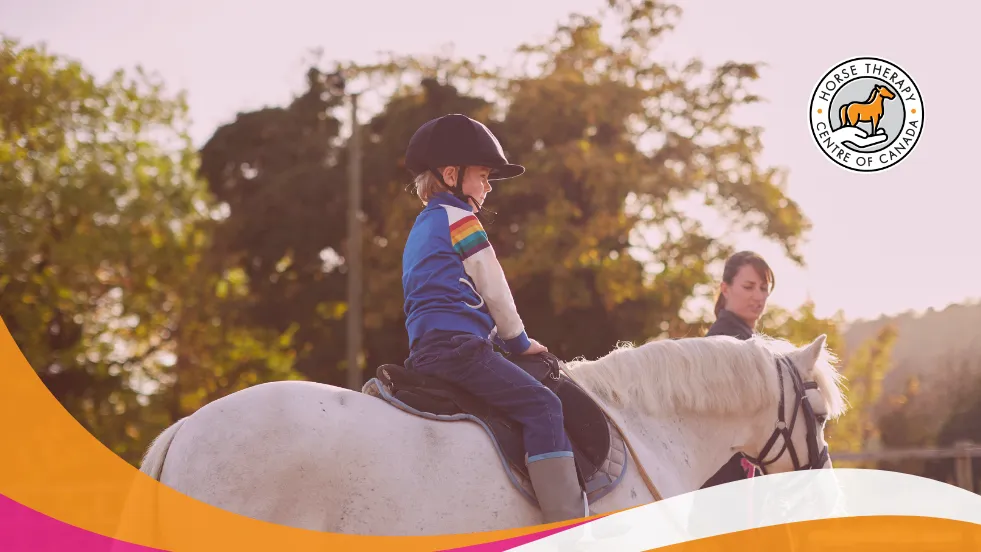
Horsemanship and Therapeutic Riding for Building Confidence
Confidence Through Horsemanship in Therapeutic Riding Programs
Confidence usually grows little by little. It builds when someone learns a new skill, practices it, and starts to see their progress. In structured riding programs, horsemanship is one practical way people build that confidence. Participants are not just placed on a horse and led around. They learn how to groom and care for the horse, understand its behaviour, and communicate with it in a calm and safe way.
When people ask how therapeutic riding helps build confidence, the answer is straightforward. It teaches real, hands-on skills. These skills take focus, patience, and a sense of responsibility. Over time, participants begin to trust themselves more. They see that they can learn something meaningful and handle it safely.
This blog explains how structured riding programs help people develop skills, build an emotional connection with the horse, learn responsibility, and grow self-trust. It also explains the differences between adaptive riding, therapeutic horseback riding, and hippotherapy, so people understand what each program involves from the start.
Understanding Horsemanship Before Riding Begins
In therapeutic horseback riding programs, horsemanship begins well before the rider mounts the horse. The first lessons usually happen on the ground. Participants learn how to approach a horse calmly and respectfully. They are shown where it is safe to stand and how to move around the horse carefully. These early steps may seem simple, but they create the foundation for everything that follows.
Horses are large and sensitive animals. They respond quickly to body language, tone of voice, and movement. When participants learn this, they start to move more thoughtfully around the horse. They understand that rushing, pulling suddenly, or standing too close in the wrong place can make the horse uneasy. At the same time, they see that calm movements and clear guidance help the horse feel safe.
Groundwork in horsemanship often includes:
Learning the names and uses of grooming tools
Brushing the horse in a steady and careful order
Picking up and cleaning hooves with supervision
Leading the horse with steady and correct hand placement
Each of these tasks builds knowledge. When people understand what they are doing, they feel less unsure. As uncertainty decreases, confidence has room to grow. Participants are not guessing what to do. They understand the purpose behind each step.
Horsemanship at Horse Therapy Centre of Canada is introduced gradually so participants have time to understand each task. Instructors explain what participants are doing and why it matters. Lessons move at a pace that allows understanding before moving forward. Once riders feel comfortable handling the horse on the ground, they are better prepared to begin learning riding skills. This preparation naturally leads into the next stage of the program, developing riding skills that strengthen confidence over time.
Therapeutic Riding and Horsemanship Skills That Strengthen Confidence
After participants become familiar with the groundwork, they begin practicing riding skills in a structured environment. Learning these skills often starts with small steps. Riders gradually develop comfort and control while continuing to apply the horsemanship knowledge they learned on the ground.
For example, someone who once needed support to sit upright may begin sitting more independently as their balance improves. A rider who felt unsure holding the reins may gradually learn to guide the horse with greater confidence. These changes may appear small, but they represent meaningful progress for the rider.
Riding involves both physical movement and mental focus. Therapeutic horseback riding supports balance, posture, and coordination while also encouraging patience and attention. Riders listen to instructions, remember riding patterns, and apply what they practiced in previous lessons. As these skills are repeated, the process becomes more familiar, and confidence grows naturally.
Horses also respond clearly to a rider’s actions. When a rider sits evenly and gives calm, steady cues, the horse often responds smoothly. If cues are rushed or unclear, the horse may slow down or hesitate. This simple cause-and-effect relationship helps riders understand how their behaviour influences the horse.
Through consistent participation in therapeutic riding, riders may develop:
Improved balance and body awareness
Better hand–eye coordination
Stronger focus during structured tasks
Greater patience while learning new skills
Increased independence in the saddle
These improvements take time and consistent practice. Stergiou (2017) reported improvements in balance and gross motor function following structured therapeutic horseback riding programs. As riders feel more stable physically, that stability can support greater emotional confidence.
Licensed Instructors at Horse Therapy Centre of Canada track each rider’s development carefully. Goals are realistic and adapted to the rider’s abilities. Lessons progress gradually, so participants feel supported while learning new skills. This steady approach allows confidence to develop naturally over time.
Emotional Connection in Equine-Assisted Therapy and Horsemanship
In equine-assisted therapy, the relationship between the participant and the horse becomes an important part of the experience. This emotional connection usually develops slowly over time through regular interaction, caring for the horse, and spending time together. As the connection grows, many participants begin to feel more comfortable and confident around the horse.
As riders groom, lead, and ride the same horse over time, familiarity grows during sessions.. That familiarity often leads to trust, and trust can help participants feel more comfortable and confident
How Horses Respond to Human Behaviour
Horses are highly sensitive to posture, breathing, muscle tension, and tone of voice. If a rider becomes tense or distracted, the horse may slow down or hesitate. When the rider steadies their breathing and gives clear, calm cues, the horse often responds more smoothly.
Participants begin to notice this pattern over time. They see that their behaviour directly affects how the horse responds. This awareness turns emotional regulation into something practical rather than abstract.
Self-Regulation Through Direct Feedback
Instead of simply being told to stay calm, riders experience why calm behaviour matters. Balanced posture, steady hands, and focused attention lead to clearer communication with the horse.
Over time, this process may support:
Greater awareness of body language
Improved emotional control
Increased patience
Stronger communication skills
More thoughtful responses
Studies of therapeutic horseback riding in children with autism have reported changes in how someone interacts with others during participation (Bass et al., 2009). In another study focused on autism spectrum disorder, Gabriels et al. (2014) examined progress toward goals identified by parents during a therapeutic riding program. These findings suggest that structured and consistent sessions may contribute to measurable progress in specific areas.
While the emotional connection between horse and rider is meaningful, it is only one part of a larger structured program. To better understand how these programs work, it is helpful to clarify the differences between adaptive riding, therapeutic riding, and hippotherapy.
Horse Therapy Centre of Canada takes a balanced and practical approach to emotional growth. Facilitators help participants notice patterns in their reactions and interactions without overanalyzing them. The focus stays on clear guidance, steady practice, and creating a safe learning environment within equine-assisted therapy programs.
Differences Between Adaptive Riding, Hippotherapy, and Therapeutic Riding
Families often hear the terms adaptive riding, hippotherapy, and therapeutic riding used interchangeably. While sessions may look similar, the purpose behind each service is different. Understanding those differences helps families choose the option that best matches their goals and expectations.
Therapeutic Riding
Therapeutic riding is a structured riding lesson with adapted instruction. The goal is to teach riding skills safely while building independence and confidence. Participants actively learn horsemanship, including grooming, leading, steering, posture, and rein control.
Lessons focus on skill development. Improvements in balance, coordination, and focus may occur, but the primary objective remains learning how to ride and handle a horse safely.
Adaptive Riding
Adaptive riding follows the same goal of skill development but adjusts instruction, equipment, or pacing to meet individual needs. Riders continue learning horsemanship, just within a format that supports accessibility and safety.
Adaptations may include:
Specialized equipment
Additional support staff
Simplified instructions
Slower pacing
Participants remain active learners, not passive recipients. They practice skills, make decisions, and build confidence while working with the horse.
Hippotherapy
Hippotherapy is delivered by licensed therapists. The horse’s movement is used as part of a clinical treatment plan. The focus is on therapy goals such as balance, coordination, or speech, rather than riding skill instruction.
Participants may not be learning traditional horsemanship skills. Instead, the session functions as part of medical or rehabilitative care.
Understanding Which Program Fits Your Goals
Choosing between therapeutic riding, adaptive riding, and hippotherapy often depends on what a participant hopes to gain from the experience. Some families are looking for opportunities to learn riding skills and develop horsemanship, while others may be seeking clinical support through therapy services. Understanding the purpose behind each program can help clarify which option best fits a participant’s needs.
Staff at Horse Therapy Centre of Canada help families understand how different equine programs are structured and what goals they are designed to support. This allows families to choose an option that fits their expectations while ensuring the experience remains safe, supportive, and meaningful for the participant.
Responsibility and Self-Trust Through Horsemanship
Responsibility is one of the strongest contributors to confidence. Within therapeutic riding, responsibility is introduced step-by-step. Participants are taught how to complete tasks safely before being expected to manage them more independently.
Examples of responsibility in horsemanship include:
Preparing grooming tools and returning them properly
Checking that the equipment is positioned correctly under supervision
Following riding patterns accurately
Listening carefully to safety instructions
These responsibilities show participants that their actions matter. The horse depends on clear cues and consistent behaviour. If a rider is distracted, the horse may respond differently. For example, the horse may slow down, stop moving, or hesitate when asked to turn. Sometimes the horse may drift off the path or ignore a cue if the signal is unclear. This immediate feedback reinforces accountability.
Over time, participants begin to see themselves as capable. They recognize that they can handle tasks that once seemed difficult. That recognition builds self-trust. At Horse Therapy Centre of Canada, responsibility is matched carefully to readiness. Instructors support participants while still encouraging independence. This balanced method allows confidence to develop in a safe and steady way.
How Horsemanship Confidence Extends Beyond Therapeutic Horseback Riding
A common question is whether confidence developed through horsemanship carries into everyday life. While each individual is different, many participants begin to show greater independence outside the riding arena. This confidence usually grows gradually as participants repeat structured horsemanship tasks like grooming, leading, and riding. As they become more familiar with these responsibilities, many start to feel more capable and comfortable taking on new challenges.
Learning to guide a large animal calmly can shift how someone approaches other tasks. Participants often become more aware of their posture and tone. They may show increased patience when learning something new.
Skills that may transfer include:
Clearer communication
Improved attention and focus
Greater willingness to try unfamiliar activities
Increased ability to manage frustration
Transfer happens because participants have real evidence of their capability. They have completed structured tasks and seen the results of their effort.
Horse Therapy Centre of Canada communicates regularly with families about observed changes. Goals are reviewed and adjusted thoughtfully. Confidence grows through consistent practice and support.
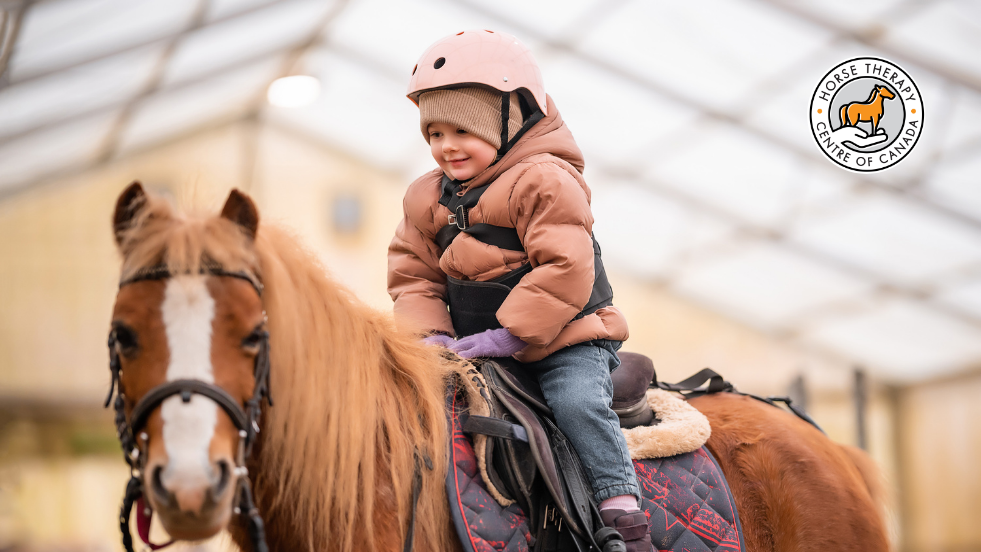
Ensuring Safety in Therapeutic Riding
Safety is essential in all equine-assisted therapy and therapeutic horseback riding programs. Confidence can’t grow if participants feel unsafe. Teaching safe handling, proper mounting, and clear supervision helps them feel secure and focus on learning.
Responsible programs include:
Qualified instructors and clinicians
Horses chosen for temperament and training
Clear safety procedures
Individualized lesson plans
Horses also require proper care. They must be healthy, well-rested, and suited to the role they perform. Ethical practice recognizes that human progress depends on equine well-being.
Safety protocols at Horse Therapy Centre of Canada are consistently followed. Horses are carefully assessed and matched to participants. Sessions are structured to prevent physical or emotional strain. This thoughtful approach protects both horse and rider and supports sustainable progress.
FAQs About Horsemanship and Therapeutic Riding
What does horsemanship mean in therapeutic riding?
In therapeutic riding, horsemanship includes grooming, safe handling, understanding horse behaviour, and learning adapted riding skills. It is a structured learning process that builds knowledge and responsibility. At Horse Therapy Centre of Canada, horsemanship skills are introduced gradually. Participants receive clear guidance and steady support. The focus remains on building competence safely.
How is therapeutic riding different from hippotherapy?
Therapeutic riding teaches adapted riding skills in a lesson format. Hippotherapy is delivered by licensed therapists who use the horse’s movement as part of a clinical treatment plan. Horse Therapy Centre of Canada explains these differences clearly so families understand what to expect. This clarity helps align goals with appropriate services.
Can horsemanship help build confidence for children with autism?
Structured therapeutic horseback riding programs have reported improvements in social and behavioural goals for some children with autism, as described in findings by Bass et al. (2009) and Gabriels et al. (2014). Confidence often grows when children master practical, repeatable tasks. Horse Therapy Centre of Canada sets individualized goals and reviews progress regularly. Outcomes are discussed openly and realistically.
Is adaptive riding safe for beginners?
Yes, when delivered by trained professionals within a structured environment. Adaptive riding lessons are designed to match ability while maintaining strong safety standards. Horse Therapy Centre of Canada conducts assessments before participation begins. Safety procedures are consistently followed. This approach allows beginners to build skills with confidence.
For More Information
If you would like to explore related topics, consider these HTCC blog posts:
Strengthening the Mind-Body Connection Through Equine-Assisted Therapy
Healing Journeys: The Power of Equine-Assisted Therapy in Retreats
Equine Therapy for Bullying: Building Confidence & Healthy Relationships
Building Confidence in Others Through Trust Exercises with Horses
Empowering Self-Worth: Building Confidence Through Equine-Assisted Therapy
These blogs provide additional detail on horse selection, program structure, and professional pathways within the field.
References
Bass, M. M., Duchowny, C. A., & Llabre, M. M. (2009). The effect of therapeutic horseback riding on social functioning in children with autism. Journal of Autism and Developmental Disorders, 39(9), 1261–1267. https://doi.org/10.1007/s10803-009-0734-3
Gabriels, R. L., et al. (2014). Therapeutic Horseback Riding Outcomes of Parent-Identified Goals in Children with Autism Spectrum Disorders: A Single-Subject Design. Frontiers in Veterinary Science. https://www.ncbi.nlm.nih.gov/pmc/articles/PMC4136476/
Stergiou, A. N. (2017). Therapeutic Horseback Riding Interventions: Effects on Balance and Gross Motor Function. PubMed. https://pubmed.ncbi.nlm.nih.gov/28252520/
Learning More About Therapeutic Riding
Every participant comes with different needs and expectations. Understanding how equine-assisted therapy programs are delivered can help determine whether this approach aligns with what you are looking for.
Horse Therapy Centre of Canada provides clear information about program structure, safety practices, and realistic outcomes. For additional details about the therapeutic program, you may contact HTCC for more information and to learn what participants can expect from the program.