From Play to Purpose: Bringing ABA Therapy Into Farm-Based Learning for Growth
Turning Everyday Activities Into Meaningful Learning
Can meaningful learning happen while children are moving, exploring, and taking part in real-life activities? Many parents notice that children often understand new skills better when they are actively involved rather than sitting for long periods at a desk. When learning only happens in a therapy room, it can sometimes be difficult for children to use those skills in everyday life.
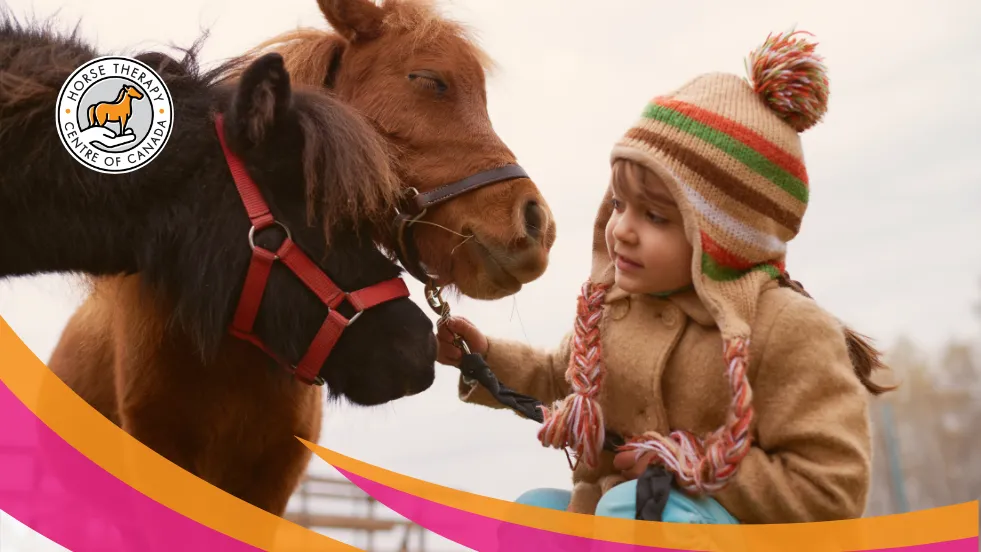
Farm-based ABA takes a more practical approach. It applies the principles of applied behaviour analysis in an environment where children can practice skills through daily routines, movement, and simple responsibilities. Instead of focusing only on worksheets or table activities, children learn while participating in tasks that happen naturally on a farm. In this setting, everyday moments become learning opportunities. Children may help care for animals, follow step-by-step routines, or take part in group activities that encourage communication and cooperation. These activities can also include elements of play-based aba therapy, allowing children to stay active while building important skills.
The goal of farm-based ABA for children is to connect learning with real experiences. When children practice communication, focus, and behaviour skills during meaningful activities, they may find it easier to use those skills beyond the therapy setting, including at home, at school, and in everyday situations. This blog explains how farm-based ABA programs are structured, what children may do during sessions, how everyday farm routines become learning opportunities, and why hands-on environments can support skill development in practical ways. It also explores how parents can understand what progress may look like and how these experiences can connect therapy with real life.
Understanding What ABA Means in Everyday Practice
Learning new skills is often easier when they are broken into small, manageable steps. Applied behaviour analysis (ABA) follows this idea. It is a guided approach that helps children learn gradually through guidance, practice, and positive reinforcement (Autism Speaks, n.d.). Because of this, parents often ask: what is ABA therapy? ABA is a teaching approach where skills are divided into smaller parts so children can practice one step at a time until the skill becomes easier to use in daily life.
For example, a child may practice asking for help, following directions, or completing a short task. Each step is practiced repeatedly with encouragement, helping build skills such as communication, independence, and focus. Some programs also include play ABA therapy, where children practice these skills during games and everyday activities to keep learning engaging.
Farm-based programs apply the same ideas from ABA for children in real-life settings. Instead of practicing only in a therapy room, children may learn while following routines, helping with simple chores, or caring for animals. These real experiences can make learning feel more meaningful and easier to apply outside therapy. Many parents also ask, does ABA therapy work. Research shows that well-structured ABA approaches can support improvements in communication, social interaction, and daily functioning for many children (Schreibman et al., 2015). Learning through real activities also reflects experiential learning, where skills develop through direct experience (Kolb, 1984). At Horse Therapy Centre of Canada, farm-based programs apply ABA principles so children can practice important skills while taking part in everyday activities.
Addressing Common Misunderstandings About ABA
Some families have heard about aba but are not sure how it works today. There are still common misunderstandings. Some people think it always involves strict routines or repetitive drills. Others believe it only focuses on correcting behaviour.
In practice, modern applied behaviour analysis programs often use more flexible and engaging approaches. One example is play-based aba therapy, where children learn through activities that feel natural and interactive. During play aba therapy, skills are practised through games, movement, and simple tasks that encourage participation. Parents also frequently ask an important question: does aba therapy work? When aba for children is carefully planned and adapted to the child’s needs, it can support progress in communication, behaviour regulation, and everyday life skills. Using play aba strategies helps children stay engaged while learning. Instead of feeling like a formal lesson, activities become opportunities to practice important behaviours comfortably.
A farm setting can make these learning moments even more meaningful. Instead of repeating the same activities in a therapy room, children experience new situations that encourage cooperation, communication, and problem-solving. At Horse Therapy Centre of Canada, programs combine aba strategies with real-life experiences so aba for children remains practical, engaging, and connected to everyday life.
How Farm-Based ABA Turns Everyday Activities Into Learning
Farm-based aba focuses on learning through real experiences. Instead of practising skills only by listening to instructions, children learn while taking part in everyday activities. This approach combines structured teaching from applied behaviour analysis with the interactive style of play aba therapy. Children stay active while practising important skills such as communication, attention, and problem-solving. Learning often happens through play aba activities that keep children engaged.
Examples of activities may include:
Feeding animals with guidance
Carrying small supplies or tools
Cleaning simple spaces
Following step-by-step instructions
Taking turns during shared activities
Each activity becomes a chance to practice new skills. For example, feeding animals may involve following a sequence of steps, asking for help, or waiting patiently for a turn. These moments create natural opportunities for learning. Learning through meaningful activities reflects experiential learning principles, where understanding develops through direct participation rather than explanation alone (Kolb, 1984).
These hands-on experiences are one reason families start to see why people often ask, does ABA therapy work in real-life situations. When ABA for children is practiced during everyday activities, children often find it easier to understand and apply skills beyond therapy.
At Horse Therapy Centre of Canada, programs use applied behaviour analysis in a structured way while still allowing children to move, explore, and take part in meaningful farm activities. Skills are broken into small steps, and children practice them with clear instructions, guidance, and positive reinforcement.
The Role of Play and Movement in ABA Learning
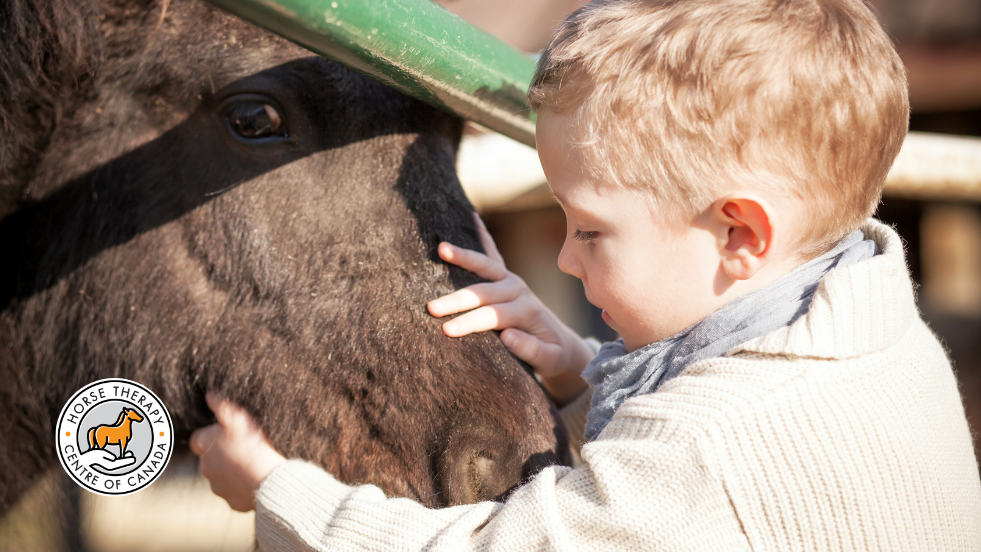
Children often learn best when they can move, explore, and play. Because of this, many programs include elements of play-based ABA therapy to keep children engaged while learning new skills. In play ABA therapy, activities may feel like games, but they still follow the structured methods used in ABA and applied behaviour analysis.
Activities might include turn-taking games, movement tasks, teamwork challenges, or simple problem-solving exercises. While these activities look like play, each one supports a learning goal. Children practice skills such as listening, paying attention, communicating, and completing tasks. Movement can also help children manage their energy and attention. When children are able to stay active and interact with their surroundings, learning often feels more natural and enjoyable.
Roles of Play in ABA Learning
Play Supports Communication Development
Play-based activities naturally create opportunities for children to express needs, ask questions, and respond to others. Through guided play, children practice communication in meaningful situations. Over time, this practice can help children become more confident when expressing themselves.
Play Encourages Social Interaction
Many games involve sharing, waiting for turns, and cooperating with others. These experiences help children practice interacting with peers and instructors in an environment. These interactions can gradually build comfort with social participation.
Play Builds Attention and Focus
Interactive activities often help children stay engaged longer. When children enjoy what they are doing, they are more likely to practice attention and listening skills. This can support longer periods of focus during learning tasks.
Play Reinforces Learning Through Practice
Repetition is an important part of ABA therapy, and play allows children to practice skills multiple times without feeling pressured. Repeating skills through different activities helps learning become more natural over time.
Play Helps Develop Problem-Solving Skills
Games and challenges encourage children to think, try solutions, and adapt their actions, helping build confidence and flexible thinking. These experiences help children learn how to approach challenges step by step.
Play Supports Emotional Regulation
Movement and playful interaction can help children release energy and manage frustration, making it easier to stay calm during learning activities. This can help children respond more calmly when challenges appear.
Play Makes ABA Learning More Engaging
When learning feels enjoyable, children are more likely to stay involved. Play-based ABA therapy helps maintain motivation while still following the structured methods of applied behaviour analysis. This balance helps children stay active while developing important skills.
At Horse Therapy Centre of Canada, these roles of play are naturally included in farm-based programs so children can practice ABA skills in an environment that encourages movement, curiosity, and steady learning. This helps children stay engaged while building practical skills they can use in everyday life.
Who Farm-Based ABA May Support
Farm-based ABA can be a good option for children who learn best through hands-on experiences. Some children understand new skills more easily when they can move, explore, and take part in real activities rather than sitting at a desk for long periods. The farm setting naturally creates opportunities for learning through daily routines, movement, and interaction.
Farm-based ABA may be helpful for children who:
Learn better through hands-on activities
Enjoy being active and moving while learning
Feel comfortable in outdoor environments
Show interest in animals and nature
Benefit from play-based or movement-based learning
Do well with routines in real-life situations
Prefer interactive learning instead of classroom-style instruction
Need opportunities to practice skills in everyday activities
Activities may also include elements of play-based ABA therapy, where children practice communication, focus, and cooperation through games, movement, and guided tasks while still following the structured methods used in applied behaviour analysis.
Children who enjoy animals or being outdoors often feel more relaxed in this type of environment. When learning happens through real experiences, skills can feel more natural to practice. At Horse Therapy Centre of Canada, each child’s needs are carefully reviewed to see whether farm-based ABA and applied behaviour analysis may be a supportive fit for their development.
Why Real Progress in ABA Takes Time
Progress in aba usually happens little by little. Instead of sudden changes, children often improve through small steps that build over time. With consistent practice, these small gains can turn into meaningful progress. Children may begin showing improvement in several areas.
Communication
Communication skills often grow gradually during ABA therapy. Instead of dramatic changes, progress may appear through small improvements in how a child expresses needs, understands others, and participates in interaction. Over time, consistent practice helps children become more comfortable communicating in everyday situations.
Asking for help more clearly
Responding to instructions more consistently
Engaging more with peers or instructors
Focus and Behaviour
Focus and behavioural regulation are skills that develop through steady practice. During ABA sessions, children are guided through structured activities that encourage patience, attention, and emotional control. Over time, these experiences can help children manage challenges in a calmer and more organized way.
Staying involved in activities for longer periods
Managing transitions with less frustration
Completing tasks with fewer reminders
Daily Skills
Daily living skills are an important part of building independence and confidence. ABA programs often include practical activities that help children learn routines they can use at home, school, and in the community. Over time, these skills can make everyday tasks feel more manageable and predictable.
Following the routines step by step
Taking part in shared responsibilities
Feeling more confident when trying new activities
These changes may seem small at first, but repetition helps strengthen them. This step-by-step learning approach is part of applied behaviour analysis and is a key reason families consider aba for children. Many parents wonder does aba therapy works in everyday life. When children practice skills regularly and in different environments, they often begin using those skills at home, at school, and in the community.
Farm-based programs may also include elements of play aba therapy, where children practice communication, cooperation, and routines while taking part in meaningful activities. At Horse Therapy Centre of Canada, progress is monitored carefully so farm-based aba continue supporting steady and meaningful development.
Creating Safe and Supportive Farm-Based ABA Programs
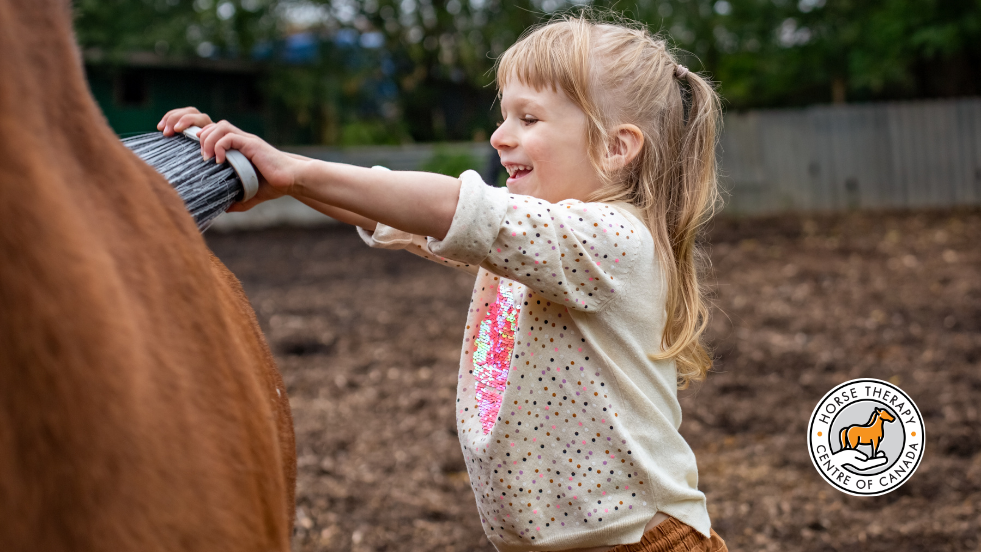
Safety is an important part of any farm-based aba program. Clear rules and procedures help create a setting where children can take part in activities while learning in a safe way. Programs should be supervised by trained professionals who understand both applied behaviour analysis and safe farm practices. This helps make sure that activities are planned carefully and that children receive the right level of support.
Common safety practices often include:
Constant supervision during activities
Clear instructions before tasks begin
Gradually introducing children to animals and equipment
Choosing activities that match each child’s ability
Watching for signs of emotional comfort during sessions
These steps help make sure that learning stays safe, guided, and supportive for everyone involved. This is especially important in aba for children, where the goal is to practice skills in real situations while still maintaining a controlled environment. Activities may also include elements of play aba therapy, where children learn through guided interaction and movement. At Horse Therapy Centre of Canada, safety standards are carefully followed, so aba and applied behaviour analysis programs are delivered responsibly and with thoughtful planning.
Frequently Asked Questions
What is ABA therapy?
ABA stands for applied behaviour analysis. It is a way of teaching new skills by breaking them into small, manageable steps. Children practice these steps with guidance, encouragement, and repetition so the skills gradually become easier to use in everyday situations.
At Horse Therapy Centre of Canada, ABA principles are integrated into structured farm-based programs where children practice these skills during meaningful activities. By combining applied behaviour analysis with guided interaction in a farm environment, HTCC helps children develop communication, focus, and practical life skills through consistent and supportive learning experiences.
What is play-based ABA therapy?
Play-based ABA therapy uses games, movement, and interactive activities to support learning. In play ABA therapy, children practice communication, attention, and cooperation while staying active and engaged. Even though the activities feel like play, the learning still follows the teaching methods used in applied behaviour analysis.
At Horse Therapy Centre of Canada, elements of play-based ABA therapy are often incorporated into farm-based activities. Children may practice skills through interaction with animals, movement-based tasks, or guided group activities. This approach allows learning to happen in a way that feels natural while still maintaining the clear structure used in ABA.
Does ABA therapy work?
Many parents ask, does ABA therapy work. When ABA for children is carefully planned and adapted to a child’s individual needs, it can support improvements in communication, focus, behaviour, and everyday life skills. Progress usually happens gradually as children practice skills repeatedly in supportive environments.
At Horse Therapy Centre of Canada, ABA strategies are delivered within carefully structured farm-based programs. This setting allows children to practice skills in real situations while receiving guidance from trained professionals. The goal at HTCC is to support steady, meaningful progress through consistent learning and thoughtful program design.
What makes farm-based ABA different?
Farm-based programs apply ABA in real-life settings rather than only in a traditional therapy room. Children practice skills during everyday activities such as following routines, completing simple responsibilities, and participating in tasks. These experiences help children learn through direct involvement and practical situations.
At Horse Therapy Centre of Canada, farm-based ABA programs allow children to practice applied behaviour analysis skills while interacting with animals and participating in guided farm activities. This environment provides natural opportunities to build communication, responsibility, and confidence while learning in a structured and supportive setting.
For More Information
You may also find these Horse Therapy Centre of Canada articles helpful:
Equine Therapy for Bullying: Building Confidence & Healthy Relationships
Hands-On Healing: Experiential Learning in Equine-Assisted Therapy for Growth and Self-Discovery
Effective Parenting Tips: Raising Happy and Healthy Children with Equine-Assisted Therapy
These articles provide additional insight into how structured, hands-on environments can support learning, communication, and personal development within programs offered at Horse Therapy Centre of Canada.
References
Autism Speaks. (n.d.). Applied Behaviour Analysis (ABA). https://www.autismspeaks.org/applied-behaviour-analysis-aba
Kolb, D. A. (1984). Experiential Learning: Experience as the Source of Learning and Development. https://learningfromexperience.com/research-library/experiential-learning-theory/
Schreibman, L., Dawson, G., Stahmer, A. C., Landa, R., Rogers, S. J., McGee, G. G., … Halladay, A. (2015). Naturalistic developmental behavioural interventions: Empirically validated treatments for autism spectrum disorder. Journal of Autism and Developmental Disorders, 45(8), 2411–2428. https://doi.org/10.1007/s10803-015-2407-8
Exploring the Right Environment for Growth with ABA
If you are wondering whether farm-based ABA could support your child’s development, starting with a conversation can help clarify whether the program is the right fit. A consultation allows families to understand how ABA for children can be applied within a farm environment and what learning goals may look like during everyday activities such as routines, guided interaction, and structured responsibilities.
If you would like to learn more about farm-based ABA at Horse Therapy Centre of Canada, we invite you to reach out. The team at HTCC is happy to answer questions, explain how programs work, and help you decide whether this approach may support child’s growth. Contact Horse Therapy Centre of Canada to schedule a consultation or learn more about our ABA programs.