Farm-Based ABA Therapy for Kids Helps Learning Feel More Natural and Engaging
ABA Therapy for Kids Beyond the Clinic Room
Children sometimes struggle with focus not because they cannot learn, but because the environment makes learning harder. Sitting at a table under bright lights for long periods can feel overwhelming. Some children need movement to regulate their bodies, while others lose interest when tasks feel disconnected from real life. When learning feels active and meaningful, attention often improves.
Because of this, some families start exploring aba therapy for kids in different settings. They may ask what is aba therapy and whether the environment where therapy happens can affect attention and participation. ABA focuses on clear goals, consistent teaching, and measurable progress, but it does not always need to take place in a traditional clinic room. Some programs apply the same principles in more natural settings.
Farm-based programs combine structured teaching with outdoor activity. They do not remove the structure of what is applied behaviour analysis. Instead, they change where and how the learning happens. In this blog, you will learn how farm-based aba therapy for kids works, why the environment can affect focus, and how real-life tasks can increase engagement while still supporting aba intervention autism goals.
What is ABA Therapy for Kids Actually Means
Before talking about farm-based programs, it helps to understand the basics. Many parents search for what is aba therapy or applied behaviour analysis because the terms can sound confusing at first. ABA stands for Applied Behaviour Analysis, a structured approach that helps children learn new skills by understanding how behaviour works and how learning happens.
ABA looks at why a behaviour happens and then teaches new skills step by step. The goal is to help children build practical abilities they can use in everyday life, such as communication, social interaction, and daily routines.
ABA therapy for kids usually includes:
Breaking bigger skills into small, manageable steps
Practicing those steps regularly
Encouraging and reinforcing positive behaviour
Tracking progress to see what is working
It is commonly used as an aba intervention autism programs rely on to teach practical, everyday skills. These may include communication, following instructions, managing routines, or interacting with others. The goal is to help children learn skills they can use at home, at school, and in daily life.
Programs at Horse Therapy Centre of Canada apply ABA principles in a practical way. Clear goals are set at the start, and progress is reviewed regularly to see how each child is developing. Sessions remain organized while allowing children to learn through hands-on activities. This approach supports steady skill development in a supportive environment.
The Role of Environment in Supporting Children’s Focus
The environment has a strong effect on attention. Some children feel overwhelmed in small rooms with bright lights. Others find it difficult to stay focused when they are expected to sit still for long periods. When a child’s body feels uncomfortable or restless, learning becomes harder.
Outdoor settings can change that experience. They often provide:
Natural light
Open space
Fewer artificial sounds
Room for safe, structured movement
Kuo, Barnes, and Jordan (2019) found that experiences in nature are linked to improved learning and attention. In another study, Taylor and Kuo (2009) found that children with attention challenges showed better concentration after spending time in a park setting. These findings help explain why some children respond differently outside of traditional clinic spaces.
The environment plays an important role in how sessions are delivered. At Horse Therapy Centre of Canada, outdoor activities are planned with clear goals and close supervision. Observations of how each child responds to space, movement, and tasks help guide adjustments during the session. The farm setting is not used as unstructured free time, it is used intentionally to support regulation, attention, and learning within defined objectives.
Farm-Based ABA Therapy for Kids Builds Engagement
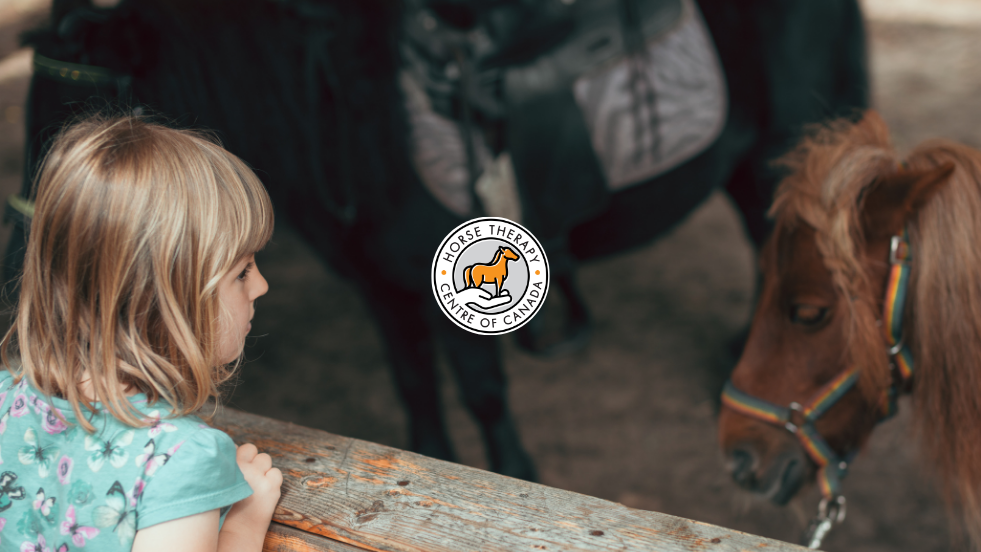
Farm-based aba therapy for kids combines clear goals with hands-on activity. Learning does not happen only at a table, such as in a traditional therapy room where a child might sit across from a therapist and practice skills through worksheets, flashcards, or repeated drills. Instead, learning also happens while children are moving, creating, and completing real tasks. For many children, this type of active setting makes it easier to stay involved. It allows learning to feel more natural and less forced.
On a farm, a child might:
Groom a horse while learning to follow steps in order
Carry equipment while practicing multi-step instructions
Wait for their turn during a shared activity
Ask for help when completing a task
Take part in structured outdoor play that builds social skills
Complete simple crafts that support fine motor skills and focus
Play and craft activities are not added just for fun. They are planned with purpose. A craft project can teach sequencing, patience, and following directions. Structured play can build turn-taking, communication, and problem-solving.
These activities are meaningful. Each one has a clear start and finish. That natural structure helps children stay focused. When children can see what they are working toward, they are often more motivated to participate. Learning feels connected to something real, not just an exercise.
Activities are chosen carefully so they support specific therapy goals. At Horse Therapy Centre of Canada, farm tasks, play sessions, and crafts are planned with a clear purpose in mind. Each activity connects to the child’s learning plan, and progress is monitored throughout the program. In this way, the farm environment supports the therapy goals rather than replacing them.
Differences Between Clinic and Farm-Based ABA Therapy for Kids
Clinic-based programs usually happen in quiet rooms with few distractions. The space stays the same from session to session, which helps keep things predictable. For some children, this type of setting works well, especially when they are first learning a new skill. With fewer distractions, it can be easier to introduce basic ideas and notice small improvements.
Farm-based ABA therapy for kids keeps the same structured approach but changes where learning happens. The goals are still clear. Skills are still broken into steps. Progress is still measured. What changes is the environment and how the child practices those skills.
What Clinic-Based Sessions Often Look Like
In a clinic setting, sessions often follow a consistent routine and take place in a controlled environment. This helps reduce distractions and keeps the focus on learning specific skills. Activities are usually simple and repeated so children can practice the same skill several times.
In a clinic setting, sessions may include:
Table-based instruction: children sit with a therapist to work on specific skills through guided activities.
Repetition of short tasks: skills are practiced several times so the child can learn and remember them more easily.
Visual supports placed on walls or boards: pictures, charts, or schedules help children understand instructions and routines.
Limited physical movement: the session stays mostly seated so attention can remain on the learning task.
Structured breaks: short, planned breaks help children rest and return to the activity with better focus.
This type of model can be helpful when a child benefits from a very predictable space. It also supports early skill-building, where fewer distractions make it easier to introduce new concepts and observe progress.
What Farm-Based Sessions Often Look Like
Farm-based sessions still follow clear plans and learning goals, but the activities take place in an outdoor setting. Instead of sitting in one place, children move through different tasks while practicing the same skills taught in aba therapy for kids.
In a farm-based setting, sessions may include:
Learning during planned outdoor activities: children practice skills while taking part in guided tasks such as preparing materials, helping with simple chores, or participating in structured games.
Natural transitions between tasks: moving from one activity to another helps children practice following instructions, adapting to change, and staying organized.
Physical movement during lessons: walking between areas, carrying small items, or helping with tasks allows children to stay active while working on attention and coordination.
Hands-on responsibilities: simple jobs like preparing feed, organizing tools, or helping set up activities encourage responsibility and focus.
Immediate feedback from real outcomes: children can see the result of their actions right away, which helps reinforce learning and understanding.
For example, instead of practicing sequencing with cards at a table, a child may practice sequencing while preparing feed or grooming a horse. Instead of waiting for a timer to end, a child may practice waiting for their turn during a shared task.
The goals and teaching approach stay the same. The difference is that learning happens through real actions and everyday tasks.
Choosing the Right Setting
Choosing the right setting for aba therapy for kids depends on each child’s needs. Some children do well in quiet clinic spaces where distractions are limited, while others stay more engaged when learning includes movement and real-life activities. The goal is to find an environment where the child can focus, participate, and practice new skills comfortably.
This is something Horse Therapy Centre of Canada takes into account when planning sessions. Programs are designed around the child’s learning style, attention needs, and therapy goals. Whether a child benefits more from a predictable indoor setting or a hands-on outdoor environment, the focus stays on clear teaching, steady progress, and meaningful participation.
Safety and Clear Expectations in Farm-Based Programs
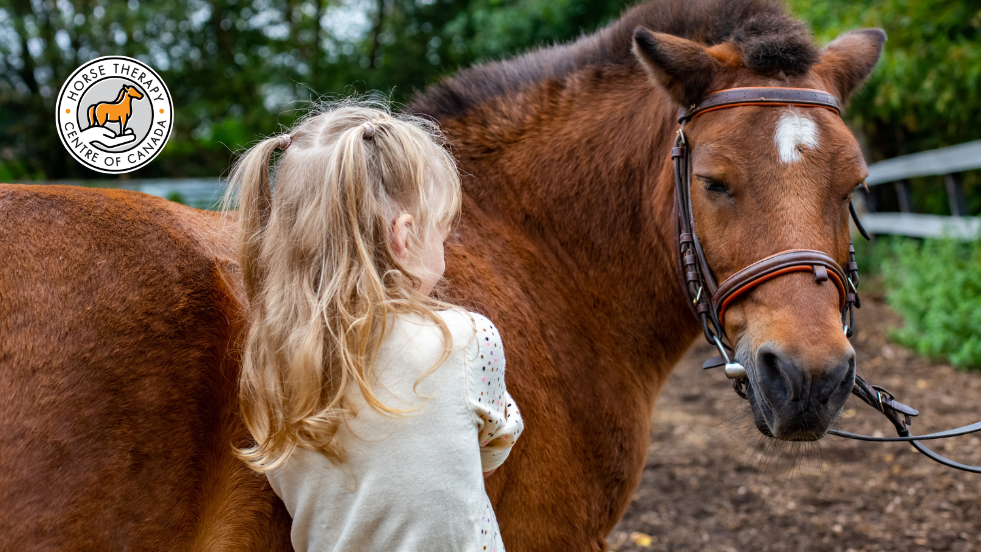
Safety is one of the first things parents think about when they hear about outdoor therapy with animals. That concern is valid. Any program that works with children and horses must be structured and carefully supervised. Clear safety rules, trained professionals, and calm, well-prepared animals all play an important role in creating a safe learning environment.
Farm-based aba therapy for kids is not unstructured time outside. Sessions follow clear plans, and each activity has a specific goal. Staff guide tasks step by step so children understand what to do and how to do it safely. Children are never left unsupervised during activities, and support is always available if they need help.
Safety in these programs includes:
Trained professionals who understand both ABA and animal handling
Calm, well-selected horses suited for therapy work
Clear behavioural rules that children learn from the beginning
Continuous supervision during all activities
Structured routines so children know what to expect
Activities are matched to each child’s ability level. Tasks are introduced gradually. Expectations are explained clearly before starting.
It is also important to talk about realistic outcomes. ABA builds skills over time. Progress depends on consistency, practice, and the individual child. No program can promise fast results or guaranteed changes. Growth happens step by step.
Safety procedures are explained to families before enrollment so expectations are clear from the beginning. At Horse Therapy Centre of Canada, programs are planned and supervised carefully, with staff trained in ABA principles as well as safe interaction with horses. This helps ensure that activities remain structured and appropriate for each child. Families also receive regular updates so they can follow their child’s progress and understand the next steps in the program.
Frequently Asked Questions About ABA Therapy for Kids
How does ABA therapy for kids work on a farm?
The structure of aba therapy for kids stays the same, even in a farm setting. Skills are broken into small steps, practiced regularly, and reinforced in a consistent way. The difference is that those skills are taught during structured farm activities instead of only at a table. This approach is reflected in programs at Horse Therapy Centre of Canada, where hands-on tasks are used to practice communication, focus, and daily life skills while still following the principles of ABA.
What is ABA therapy in simple terms?
ABA therapy is a structured way to teach skills by understanding behaviour. It focuses on small, clear steps and reinforces positive progress. The goal is to help children build practical abilities they can use in daily life. The same principles guide programs at Horse Therapy Centre of Canada, where children practice these skills through hands-on activities.
What is applied behaviour analysis used for?
Applied Behaviour Analysis is used to help children learn important everyday skills, such as communication, social interaction, emotional regulation, and daily routines. It is commonly used in aba intervention autism programs. The approach focuses on clear goals and tracking progress so it’s easier to see what a child is learning. At Horse Therapy Centre of Canada (HTCC), these same ideas guide activities that help children practice skills in real-life situations.
What is ABA therapy like in an outdoor setting?
In an outdoor setting, ABA therapy still follows clear goals and careful supervision. Children practice skills while moving and completing real tasks. The structure stays in place, but the learning feels more active and connected to real life. Horse Therapy Centre of Canada uses outdoor activities as part of this approach, helping children practice skills while staying engaged in the learning process.
For More Information
To learn more, explore these Horse Therapy Centre of Canada blog posts:
Bridging the Gap: Enhancing Teen Communication Skills with Equine-Assisted Therapy
Nurturing Confidence: Parenting Techniques for Children and Teens with Social Anxiety
Finding Harmony: Equine Therapy for Life Balance and Fulfillment
Healing Hearts and Homes: The Role of Equine Retreats in Family Unity
Effective Parenting Tips: Raising Happy and Healthy Children with Equine Assisted Therapy
These blogs provide additional context about equine-assisted therapy and structured learning approaches.
References
Kuo, M., Barnes, M., & Jordan, C. (2019). Do experiences with nature promote learning? Converging evidence of a cause-and-effect relationship. Frontiers in Psychology, 10, 305. https://doi.org/10.3389/fpsyg.2019.00305
Schreibman, L., Dawson, G., Stahmer, A. C., Landa, R., Rogers, S. J., McGee, G. G., … Halladay, A. (2015). Naturalistic developmental behavioural interventions: Empirically validated treatments for autism spectrum disorder. Journal of Autism and Developmental Disorders, 45(8), 2411–2428. https://doi.org/10.1007/s10803-015-2407-8
Taylor, A. F., & Kuo, F. E. (2009). Children with attention deficits concentrate better after walk in the park. Journal of Attention Disorders, 12(5), 402–409. https://doi.org/10.1177/1087054708323000
Thinking About Farm-Based ABA Therapy for Kids?
Choosing the right setting for aba therapy for kids is an important decision. Every child responds differently to structure, movement, and environment. Taking time to understand how a child learns best can make a big difference in how engaged they feel during sessions.
Farm-based programs at Horse Therapy Centre of Canada combine clear learning goals with hands-on activities. Sessions are planned carefully and adapted to each child’s needs and development. Families who want to learn more about how the program works can reach out to HTCC to ask questions and understand what to expect.